
Last updated November 22, 2026
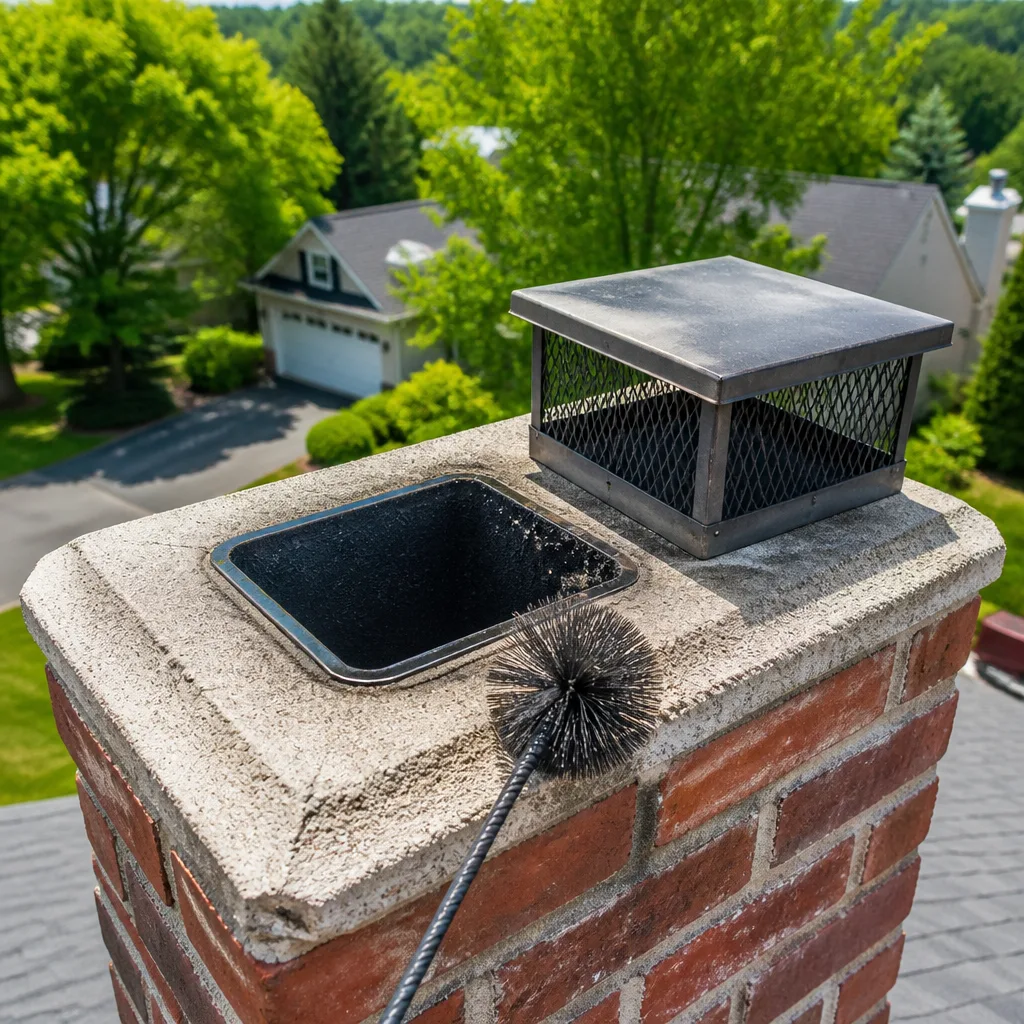 Sweep & inspection
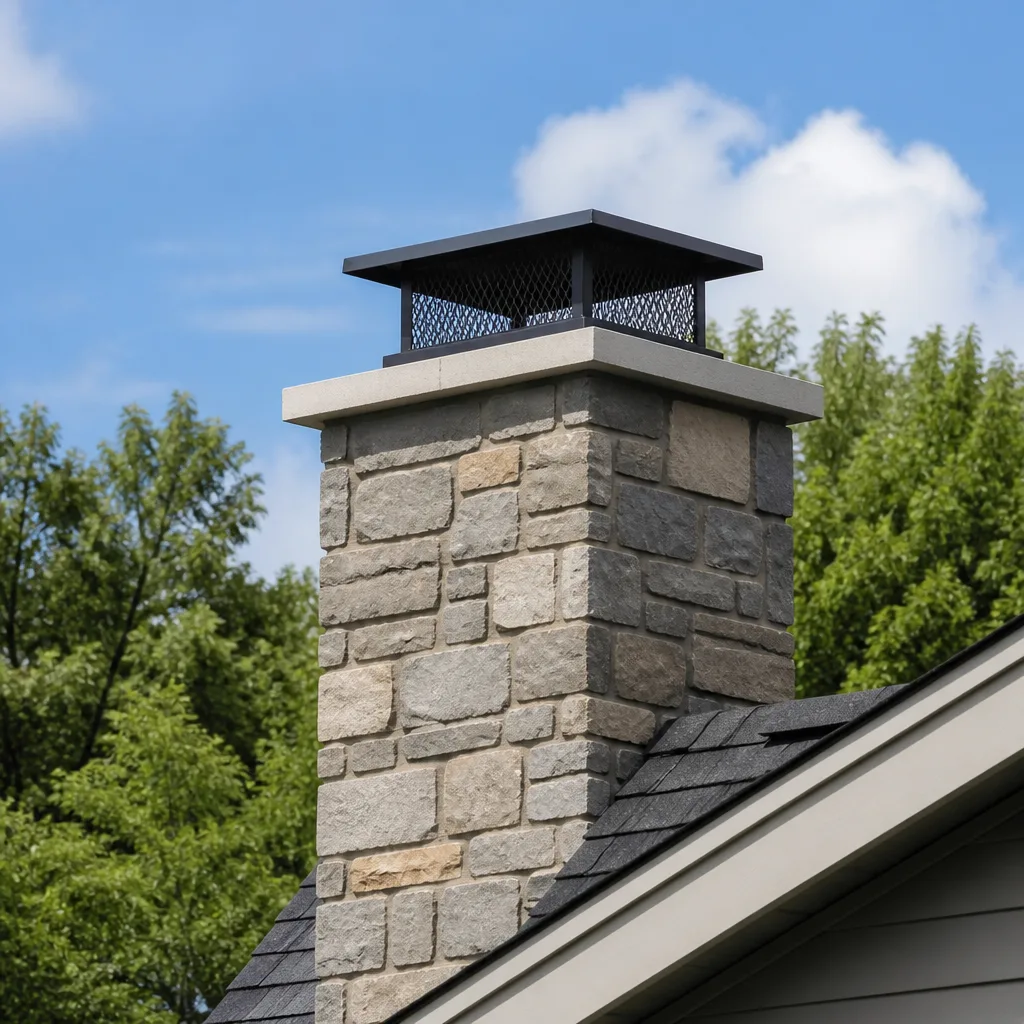 Caps & crowns
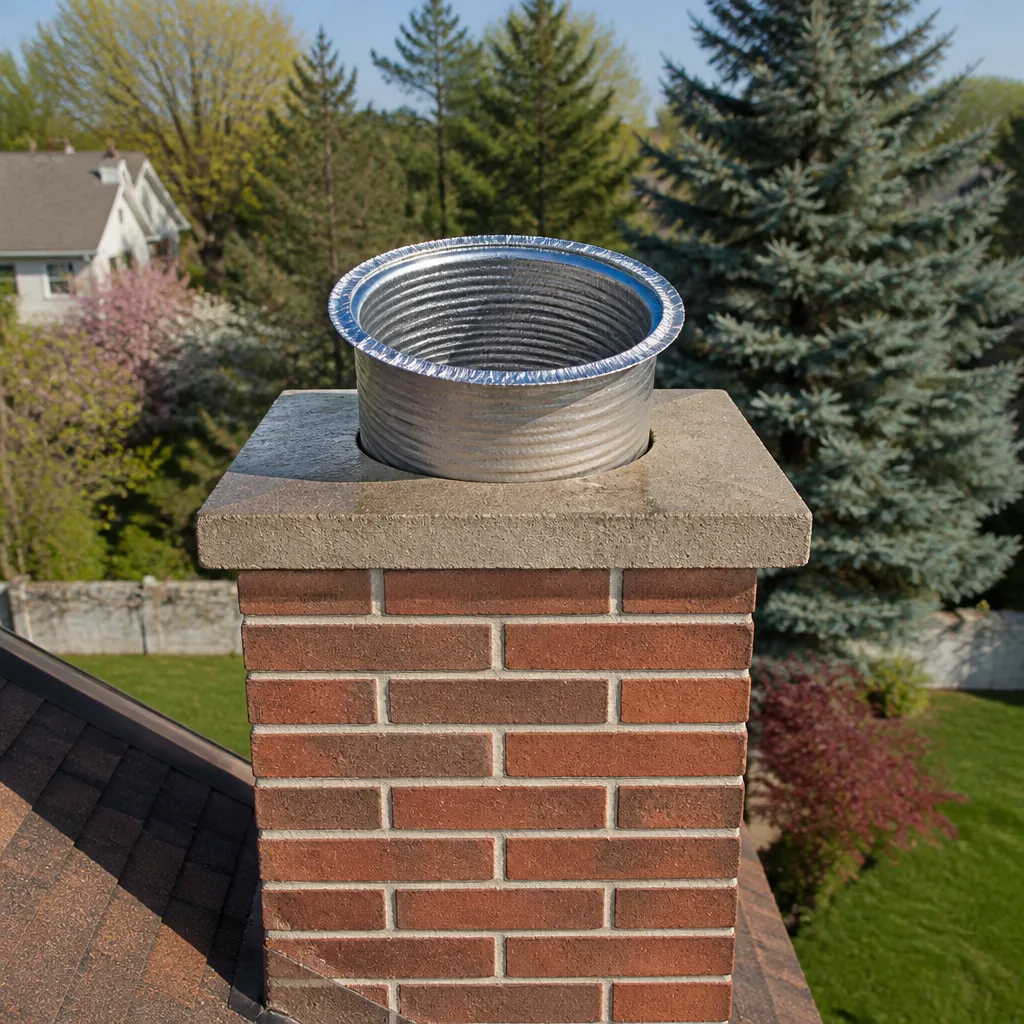 Flue relining
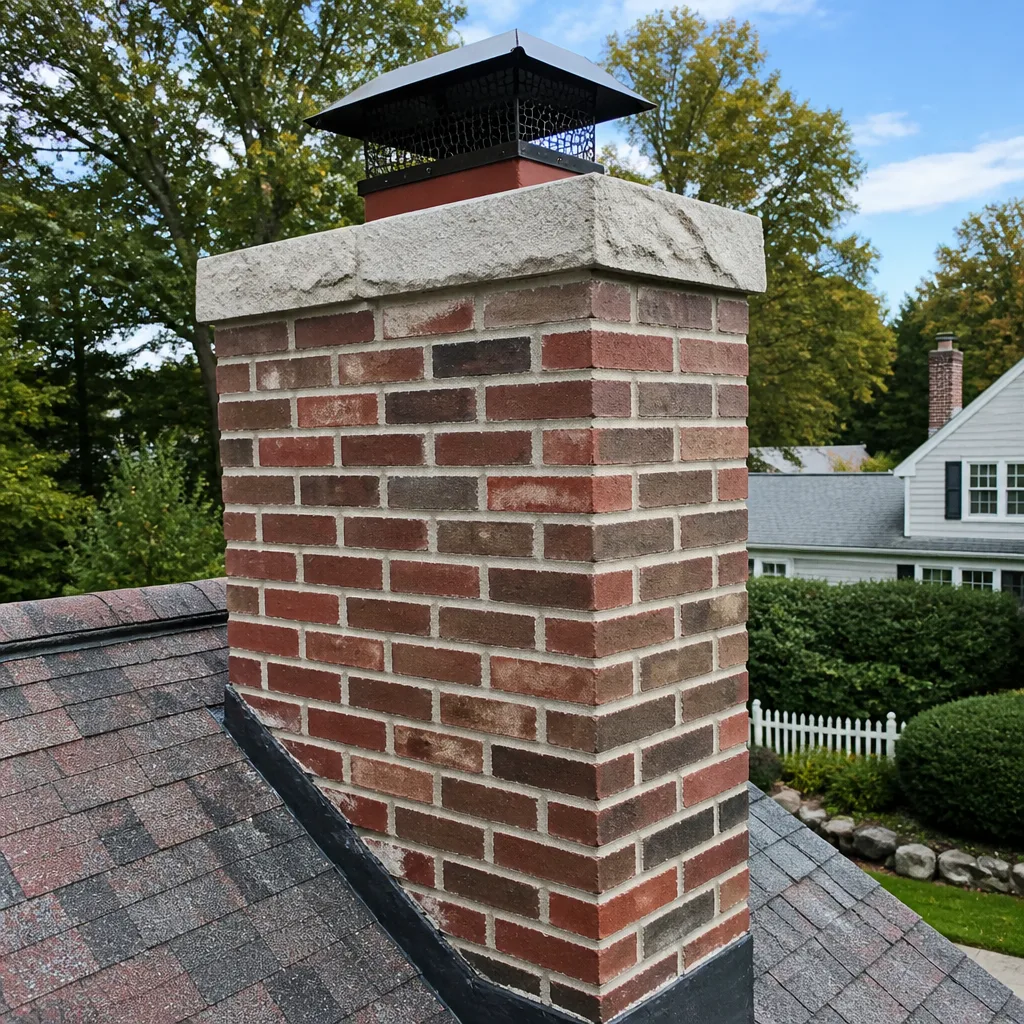 Masonry repair
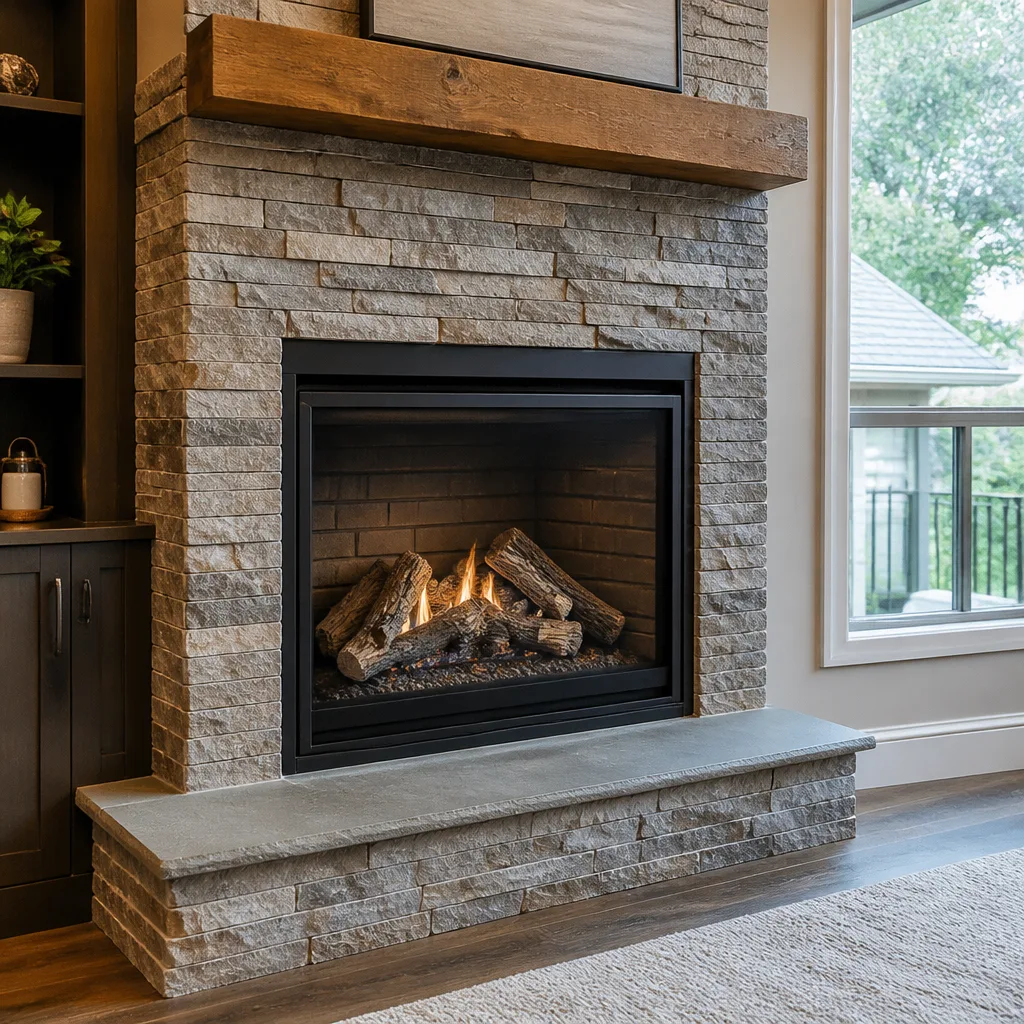 Gas fireplace service
Level 1 sweep and inspection to the NFPA 211 annual standard - flue, crown, cap, and flashing checked and photographed
Chimney sweep logs do not sweep chimneys. They loosen some creosote - which then falls where a brush and vacuum still have to collect it.
Chimney Cleaning Emergency Preparedness Guide for Torresdale Homes
Most homeowners know to call 911 for a chimney fire. Far fewer know what to do in the ten minutes before the fire department arrives, what to tell the dispatcher, or what has to happen after the flames are out before anyone lights another match. That gap is where damage compounds. A chimney fire can burn at over 2,000°F inside a flue, hot enough to crack a clay tile liner in a single event. The fire being out doesn’t mean the chimney is safe to use again. This guide walks Torresdale homeowners through the full emergency arc: recognizing a chimney fire you may not have identified, the in-the-moment protocol, the post-fire inspection requirement, the separate carbon monoxide scenario, and the documentation your insurer will ask for.
Quick Answer
If you suspect a chimney fire in a Torresdale home, close the damper if you can do so safely, get everyone out of the house, and call 911. Never throw water on a masonry chimney fire. After any chimney fire, the flue must be inspected before the fireplace is relit, because a fire that burned out on its own can still leave a cracked liner, warped metal components, or a damaged crown behind it.
Styles & brands we work with
- Sweep & inspection
- Caps & crowns
- Flue relining
- Masonry repair
- Gas fireplace service
Table of Contents
- How do you know if you’ve had a chimney fire?
- What should you do in the first minutes of a chimney fire?
- Why can’t you use water on a masonry chimney fire?
- What happens after the fire is out? The mandatory inspection
- Carbon monoxide: the emergency that doesn’t announce itself
- What should you document for your insurance company?
- How do you prevent the next chimney fire?
How do you know if you’ve had a chimney fire?
Many Torresdale homeowners have had a chimney fire and didn’t recognize it. That’s the part that surprises people. A chimney fire doesn’t always look like a house fire. It can burn inside the flue with almost no visible flame from the room, and it can be over in under a minute. Some are loud and obvious. Others are quiet enough that a family sits in the next room watching television through the whole event.
Here’s what the loud, dramatic version sounds like from inside the home:
- A low roaring or rumbling sound, like a freight train or a distant jet, coming from the chimney
- Loud popping or cracking, sometimes described as a rapid series of small explosions
- Vibrations you can feel through the floor or the fireplace surround
- Dense smoke or a visible glow at the top of the chimney outside
- Sparks or flames shooting from the chimney cap
- A smell of hot metal or a sharp, acrid burning odor in the room
And here’s what the quiet version can look like, which is the one most people miss:
- Puffs of smoke backing into the room during or after a fire, with no other explanation
- A sudden rush of air or a “whooshing” sound at the firebox
- Creosote flakes or small pieces of liner debris landing on the roof or in the yard
- Warped or discolored metal near the damper or in the firebox
- A crack in the chimney’s exterior masonry that wasn’t there before
In our experience, a quiet chimney fire is often discovered later, during a routine sweep, when the technician finds glazed creosote that has been “baked” into a hard, glassy layer, or a cracked tile that no one knew about. That’s a chimney that had a fire and the homeowner never called anyone. In Torresdale, where many homes have mature chimneys that have seen decades of use, that undetected event is the one that compounds into a structural repair. If anything on either list above rings a bell, treat it as a suspected chimney fire until a professional says otherwise.
What should you do in the first minutes of a chimney fire?
The correct in-the-moment response is calm, specific, and short. You are trying to do three things: remove people from danger, cut off the air supply to the fire if it can be done without risk, and get the fire department moving. Everything else waits.
Here is the step-by-step protocol we want every Torresdale homeowner to have memorized:
- Get everyone out of the house first. Adults, children, pets. No one stays behind to gather belongings or to watch. In a chimney fire, the real risk to the house is fire spreading into the framing around the flue, and that can happen in minutes.
- Close the damper and the firebox doors on your way out, if you can do so without lingering. Closing the damper limits oxygen to the fire in the flue and can help slow it. Never reach into a hot firebox or reach over an open fire to do this. If the damper handle is too hot to touch or the firebox is roaring, skip this step and leave.
- Call 911 from outside. Do not wait to see if it burns itself out. Do not call from inside the house.
- Tell the dispatcher exactly what you’re reporting. Say “I believe I have a chimney fire” and give the address. Tell them what you’re seeing or hearing: roaring sound, smoke from the chimney, visible flame at the top, smell of burning. Mention if anyone has asthma or breathing trouble.
- Stay out until the fire department tells you it’s safe to enter. Do not go back in to check the fireplace or to look at the flue.
- Do not use water on a masonry chimney fire. More on this below.
What to tell the dispatcher matters more than people expect. “My fireplace is smoking” can route a different response than “my chimney is roaring and flames are coming out the top.” Say what you’re actually hearing and seeing. If you’re not sure whether it’s a chimney fire, say that too: “I’m not sure, but I’m hearing a roaring sound from my chimney and there’s smoke.”
If you live in a tight Torresdale block where houses are close together, telling the dispatcher that neighbors are close by helps them size the response. And if you can, send someone to the front of the house to flag the fire department and unlock the gate to the side yard so they have access to the chimney.
Why can’t you use water on a masonry chimney fire?
This is the single most important rule in the whole guide, and it’s the one people break out of instinct. Water and a masonry chimney that has just been through a 2,000°F fire are a dangerous combination. The thermal shock of cold water hitting masonry that hot can crack tiles, spall brick faces, and damage the mortar joints. The result is a chimney that survived the fire but was wrecked by the bucket. And it doesn’t stop there. Water poured into a hot flue turns to steam instantly, and that steam can force smoke, creosote, and soot back into the room where you’re standing.
What to do instead:
- Close the damper (if safely reachable) to starve the fire of oxygen, then leave the house.
- Use a chimney fire extinguisher only if you have one rated for the purpose and know how to use it. Standard household extinguishers are not designed for a flue fire.
- Let the fire department handle it. They have the tools and the training for a hot flue.
- Never pour water down the chimney from the roof. This is the classic mistake. It is also the most damaging.
The same rule applies to a fireplace insert with a masonry flue. The metal firebox will survive water better than bare masonry, but the flue behind it won’t. If you’ve already poured water on a fire before reading this, that’s a reason to get the flue inspected, not a reason to panic. In our experience, a thermal-shock event is exactly the kind of thing a camera inspection catches clearly.
What happens after the fire is out? The mandatory inspection
This is the part of chimney fire response most homeowners skip, and it is the part that matters for the future of the house. Once the fire department has cleared the scene, the chimney system must be inspected before it is used again. That is not a suggestion. It is the only responsible next step, and in most jurisdictions it’s what a building official will ask for if there’s any question about the chimney afterward.
What a post-fire inspection actually involves:
- A Level 1 inspection is a visual check of accessible portions of the chimney, firebox, and flue from the firebox and from the roof. This is the starting point, and it’s often enough if the fire was small and the chimney appears sound.
- A Level 2 inspection adds a camera scan of the inside of the flue, and it is the standard after any chimney fire. The camera is how a technician confirms whether a tile liner has cracked, whether the flue has warped or separated at a joint, and whether there are hot spots or gaps that aren’t visible from either end.
- A Level 3 inspection is the most thorough level. It’s used when the Level 1 and Level 2 findings suggest concealed damage, and it can involve opening walls or removing parts of the chimney to examine the structure behind it. Most chimney fires do not require a Level 3, but a fire that spread into surrounding framing will.
The report you get back should include photos or camera footage of what was found, an assessment of the flue liner, firebox, damper, crown, and cap, and a clear statement of whether the chimney can be used again as-is, needs repair first, or needs restoration before use. Ask for that in writing. A verbal “looks fine” is not enough to hang a house on.
What usually needs attention after a fire:
- Cracked or spalled clay tile liner, which may call for a new liner. We install chimney repair solutions including DuraFlex flexible liner systems, which are designed for exactly this kind of retrofit.
- Warped or damaged damper, which may need replacement before the fireplace can be safely used.
- Damaged crown or cap, which should be repaired before the next rain. A compromised crown lets water into the chimney, and water plus a fire-damaged flue is a fast path to bigger problems.
- Glazed creosote left in the flue, which needs to be removed before the chimney is relit. Some glazed creosote can be restored with a HeatShield application rather than a full liner replacement, which is often the cost-saving option homeowners don’t hear about.
Do not relight the fireplace until the inspection is complete and any recommended repair is done. A second fire in a damaged flue is how a contained event becomes a house fire.
Carbon monoxide: the emergency that doesn’t announce itself
A chimney fire is loud or at least visible. A blocked or compromised flue is not. Carbon monoxide from a wood-burning or gas fireplace is a colorless, odorless gas, and the symptoms are easy to mistake for a cold or a bad night’s sleep: headache, dizziness, nausea, fatigue, confusion. The scenario that produces it in a Torresdale home is usually a flue that has lost its draft: a bird nest or debris blockage, a cracked liner letting exhaust into the wall cavity, a damper stuck closed, or a flue that was never sized correctly for the appliance.
If you suspect carbon monoxide exposure:
- Get everyone outside into fresh air immediately. Don’t stop to open windows first.
- Call 911. Tell them you suspect carbon monoxide exposure and how many people are affected.
- Don’t reenter until the fire department clears the house.
- Do not relight the fireplace or run any gas appliance until the source is found and corrected. A carbon monoxide event is a chimney and venting event, not just an air-quality event.
What makes carbon monoxide different from a chimney fire is the everyday version. Homeowners with a blocked flue can run a fire for weeks and feel a little off without ever connecting the two. That’s why carbon monoxide detectors belong on every level of the home and outside each sleeping area, and why an annual sweep is really an inspection of the entire exhaust pathway, not just a cleaning. A camera scan is what catches the cracked liner before it becomes a CO event. If you don’t know the last time your flue was inspected, the answer is to get it inspected before the next heating season, not after the next headache.
What should you document for your insurance company?
After any chimney emergency, the documentation you collect in the first few days is what makes the insurance claim straightforward or a nightmare. Insurers don’t pay for what they can’t see, and they don’t pay for damage that can’t be tied to the event. Here’s what to photograph, save, and request.
- Photographs of the chimney exterior, from the ground and, if it’s safe and accessible, from the roofline. Get the cap, the crown, and any visible cracks or spalling. Take these before any repair work begins.
- Photographs of the firebox and hearth area, including the damper, any warped metal, and any smoke staining around the fireplace opening.
- The fire department report. Ask for a copy of the incident report before the crew leaves, or request it from the fire department afterward. This is the single most useful document in a chimney fire claim.
- Your inspection report, including the camera footage and photos the technician takes. Ask for a copy in writing and keep it. The written report should clearly state what was found and what is recommended.
- Your repair estimate or invoice, itemized so the insurer can see what’s being done and why.
- A written record of when the fire happened and roughly how long it lasted, along with anything you noticed in the days before: smoke backing up, unusual sounds, a smell of burning.
Two things homeowners often miss. First, call your insurer after the fire department clears the scene, not after the repairs are done. Most policies ask for prompt notice. Second, keep the damaged parts. If the liner or the damper has to be removed, keep it until the adjuster has seen it or photographed it. Throwing away the evidence makes it very hard to prove what happened.
If the chimney was damaged by a fire or a lightning strike, that’s typically a covered peril under a standard homeowner policy. If it’s long-term water damage from a failed crown, coverage is often limited or excluded. That’s the practical reason to deal with a damaged crown promptly after a fire, and it’s why we treat chimney cap & crown work as part of the same visit as a post-fire inspection.
How do you prevent the next chimney fire?
Prevention comes down to two things: keeping the creosote load low in the flue, and catching the conditions that lead to a fire before they combine. The main fuel for a chimney fire is creosote, a tar-like residue that builds up on the inside of the flue as wood burns. It comes in stages, from a light soot to a hard, glazed coating that is essentially solid fuel. A hot fire can ignite the glazed layer, and once it’s burning in the flue, the chimney itself becomes the fuel.
The conditions that let creosote build up faster:
- Burning unseasoned or “green” wood, which produces far more creosote than dry wood
- Burning low, smoldering fires for long periods, rather than hot, clean burns
- A flue that’s too large or too cold for the appliance, which lets smoke cool and deposit creosote on the walls
- Skipping annual sweeps, which lets a thin soot layer build up into a thick, ignitable glaze
- A missing or damaged cap, which lets rain and animals into the flue
The annual chimney sweep and inspection is the actual prevention tool. A sweep removes the creosote before it can glaze, and the inspection that comes with it catches the cracked crown, the loose cap, or the damaged liner while it’s still a small repair. That’s the logic we work by: catch it before it compounds. In Torresdale, where many homes have a fireplace that gets used hard through the heating season, the annual inspection is the difference between a routine sweep and a post-fire restoration.
When we work on a Torresdale chimney, we work on the full system: the cap and crown, the liner, the firebox, and the flue together. A cap is not cosmetic. A professional-grade cap, and we install lines like Olympia Chimney and Famco, keeps water and animals out of the flue and protects the crown below it. A properly sized stainless liner, like the DuraFlex systems we install, contains the burn and vents the exhaust reliably. And when the firebox itself is damaged, a HeatShield application can often restore it without a rebuild. Those are the pieces that turn a chimney that has had a fire into a chimney that won’t have the next one.
Common Mistakes to Avoid
- Assuming a fire that went out on its own is safe. A fire that burns out without the fire department is a fire that has left damage you can’t see. Get it inspected either way.
- Pouring water down the flue. In Torresdale, where brick and clay tile are the norm, thermal shock is real. It turns a containable fire into a structural failure.
- Relighting before the inspection is done. The urge to get back to normal is strong. A second fire in a cracked flue is how the chimney fire spreads into the walls.
- Skipping the fire department report. It’s the anchor of the insurance claim. Request the report even if the fire seemed small.
- Calling a general handyman instead of a chimney specialist. A fire-damaged flue needs camera inspection and a liner assessment, not a visual check.
- Confusing a chimney fire with a “smoky fireplace.” Smoke backing into the room during or after a fire can be the quiet version of a chimney fire or a sign of a blocked flue. Either way, it deserves a camera inspection.
- Ignoring carbon monoxide symptoms. A headache after a fire, or a persistent headache every time the fireplace runs, is a reason to get everyone outside and call 911, not a reason to open a window and carry on.
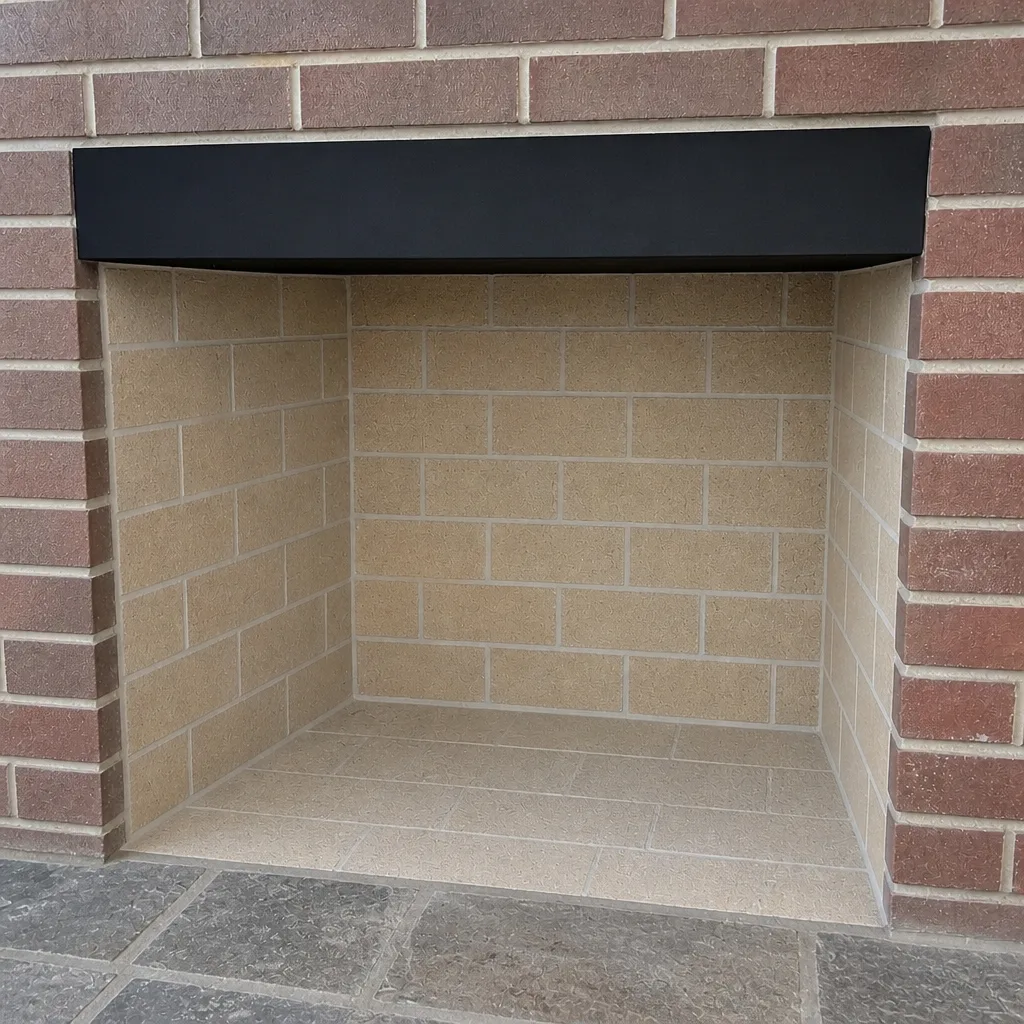
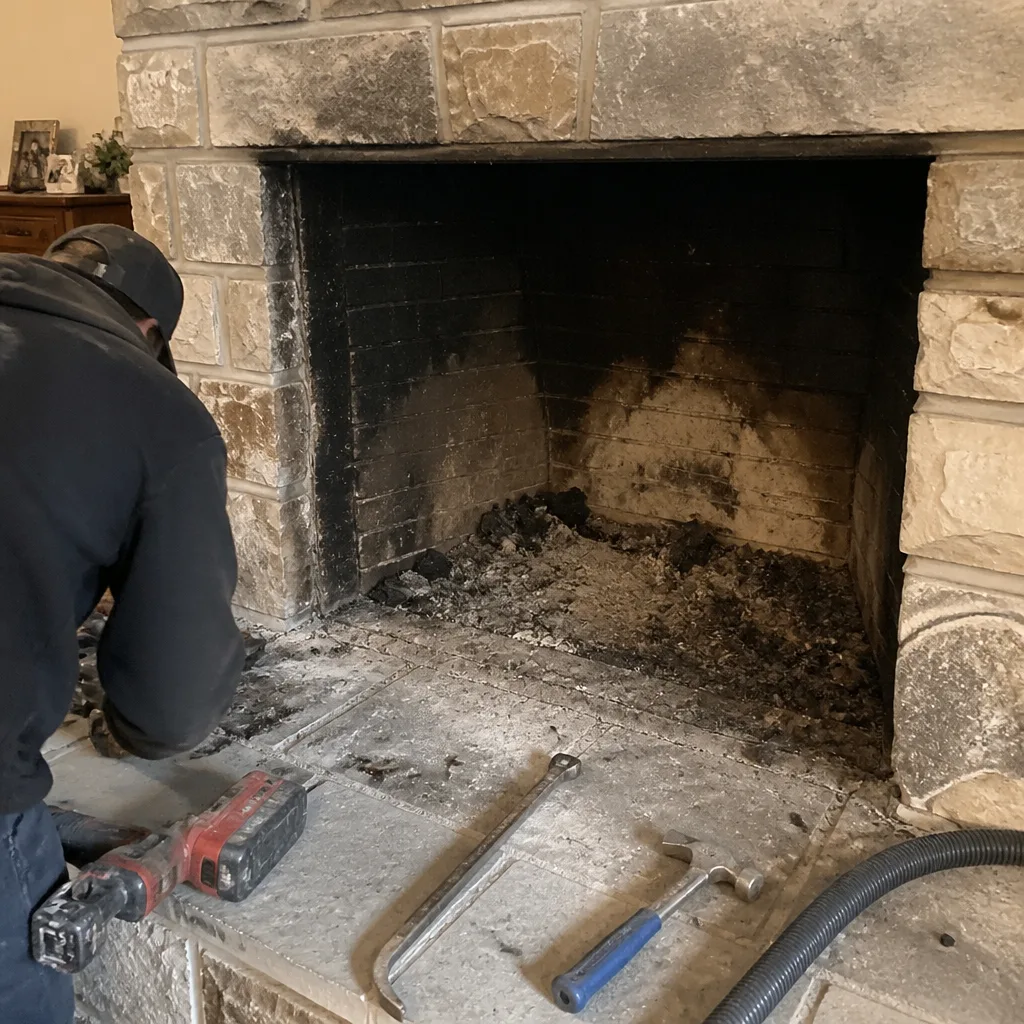
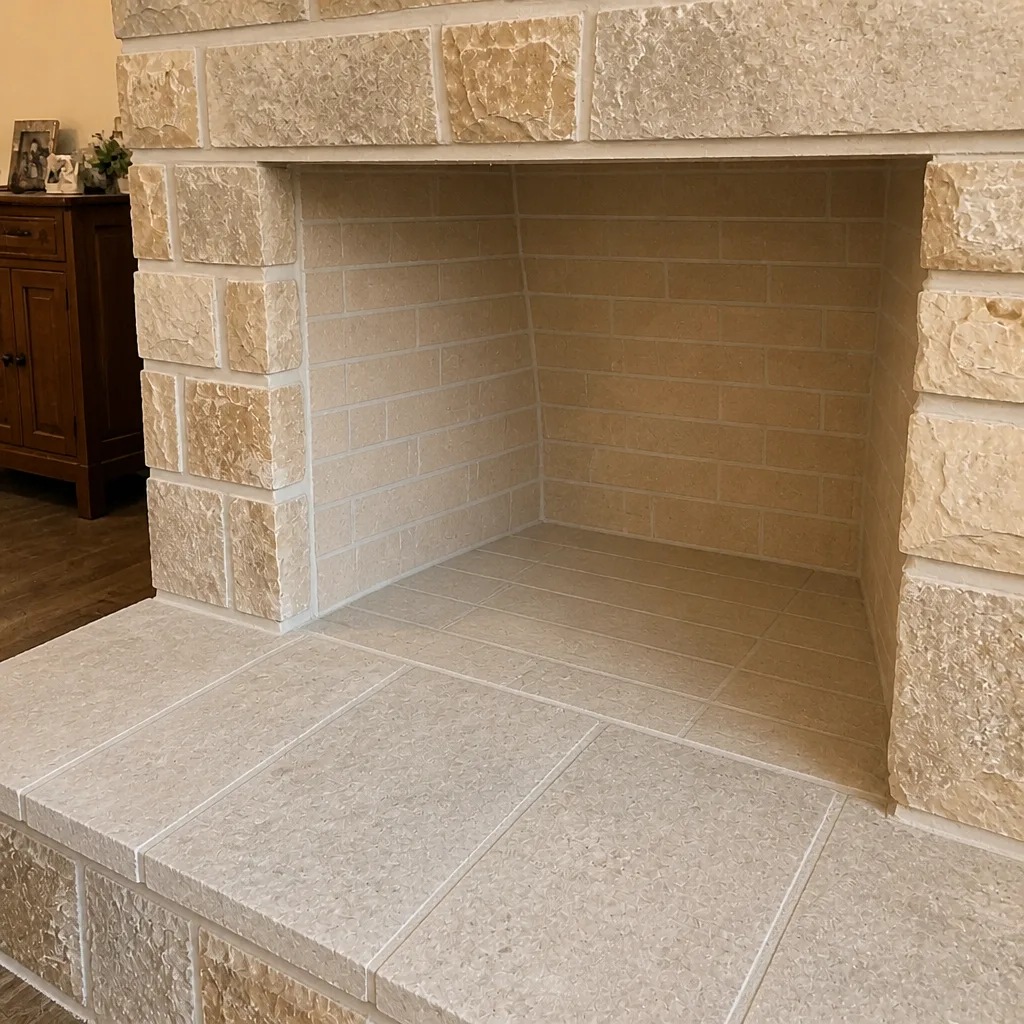
See the difference
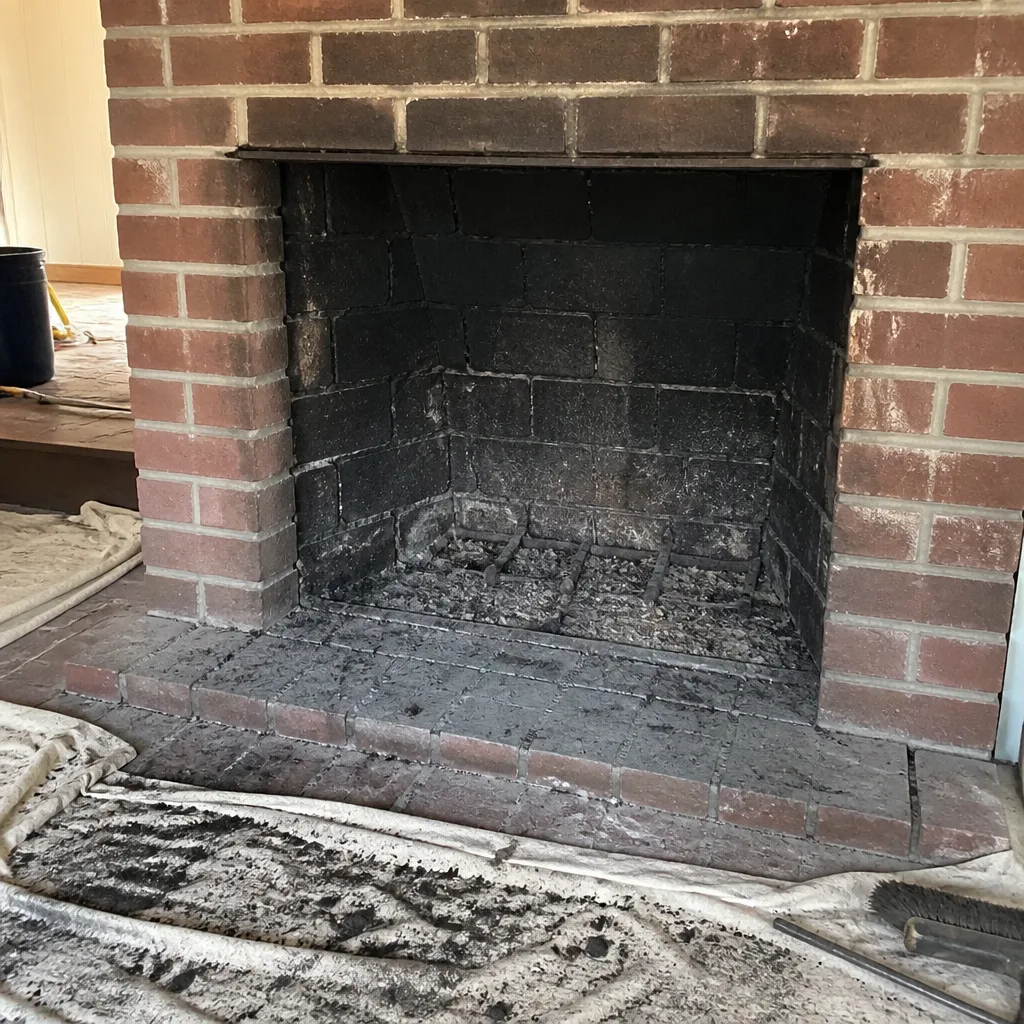 Before
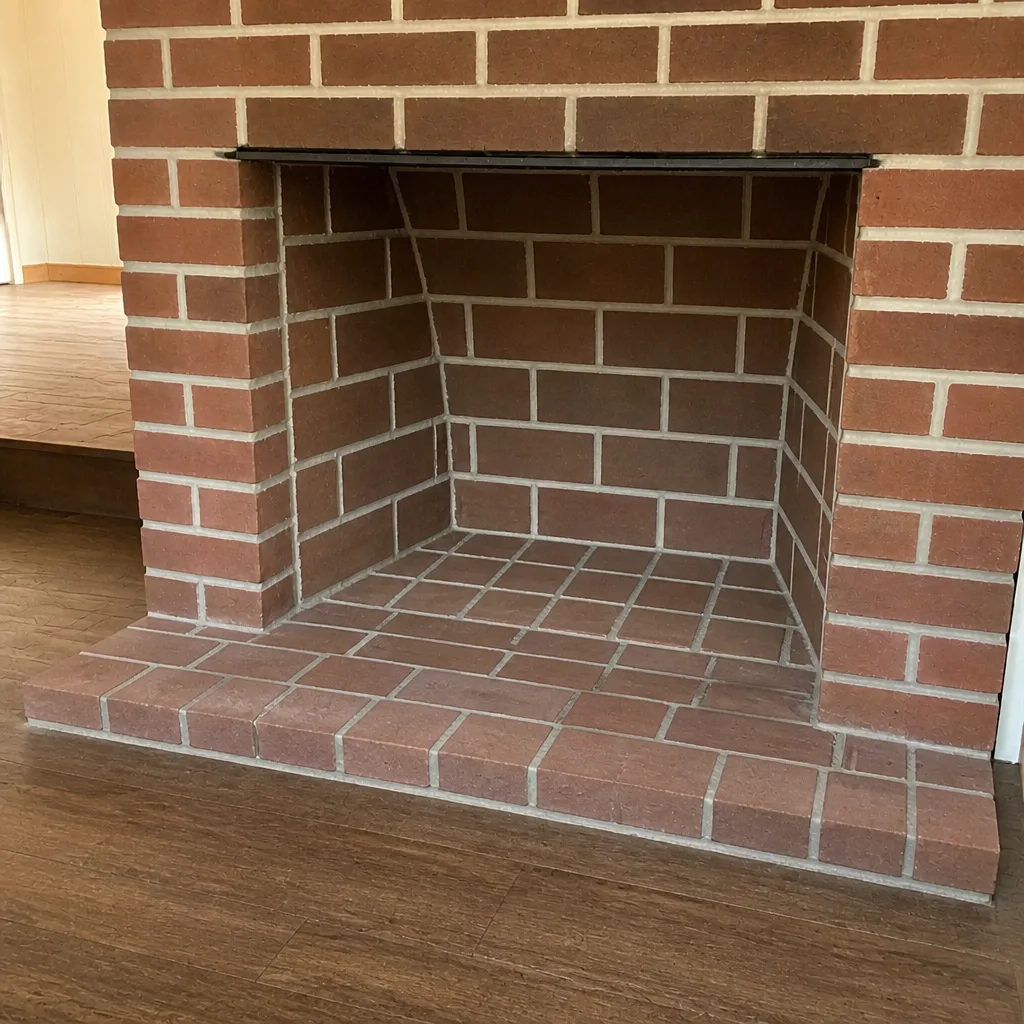 After
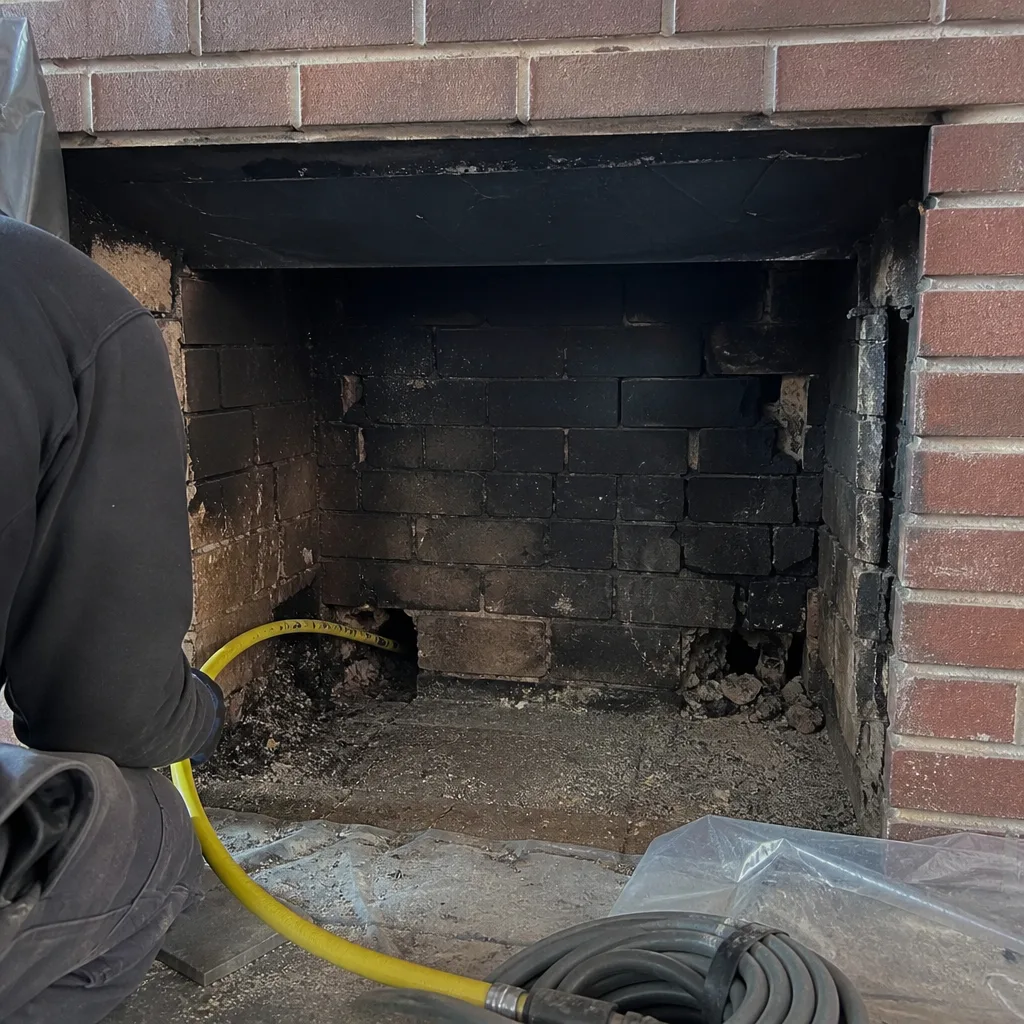 Before
 After
 Before
 After
When to Call a Professional
Call a professional chimney specialist after any suspected chimney fire, even one you think went out on its own. Call if the fire department responded, if you’ve seen smoke backing into a room during a fire, if you’ve heard a roaring or popping sound from a fireplace, or if you see cracks in the chimney’s exterior. Call if anyone in the house has a carbon monoxide detector going off or the symptoms of exposure, after you’ve gotten everyone out and called 911. And call before the first cold snap if it’s been more than a year since the last sweep. Chimney Sweep Torresdale offers free estimates in Torresdale. Call (877) 812-1596. We answer 24/7. Fast dispatch from 7am to 7pm, Sunday through Friday, closed Saturday. The written estimate sets the final price, and you’ll see the camera evidence behind every recommendation.
Frequently Asked Questions
Treat it as a fire that happened and schedule an inspection before relighting the fireplace. The fire being out does not mean the flue survived it. Call (877) 812-1596 for an exact quote on an inspection. Estimates are free.
No. A Level 2 camera inspection is the standard after a chimney fire, and a Level 3 inspection is only needed when the Level 1 or Level 2 findings suggest concealed damage that requires opening walls or removing parts of the chimney to examine the structure behind it. Most fires stop at Level 2. Call (877) 812-1596 for an exact quote on a post-fire inspection. Estimates are free.
A chimney fire typically sounds like a low, roaring rumble or a rapid series of pops and cracks coming from the chimney, sometimes with vibration you can feel through the floor. The quiet version sounds like almost nothing at all, which is why it’s often missed. Call (877) 812-1596 if you’re unsure what you heard. Estimates are free.
Yes, and it’s common. A fire in the flue can crack a clay tile liner, warp the damper, or damage the crown while the surrounding structure stays intact. The damage is real even when the house is fine. Call (877) 812-1596 for an exact quote on an inspection. Estimates are free.
Get photographs of the chimney exterior, the firebox, and the hearth; the fire department incident report; your inspection report with camera footage; and the itemized repair estimate. Call your insurer promptly and keep any removed damaged parts until they’ve been documented. Call (877) 812-1596 for an exact quote. Estimates are free.
Only after an inspection has confirmed the flue is sound and any recommended repair is complete. A cracked tile or a damaged liner can let exhaust into the surrounding structure, and a second fire in that condition is a serious risk. Call (877) 812-1596 for an exact quote on the inspection. Estimates are free.
The Bottom Line
The thing that makes a chimney fire worse is almost never the fire itself. It’s the space between the fire and the inspection. A chimney fire burns hot enough to crack a tile liner in a single event, and the flue that just went through it needs a camera before it’s used again. The protocol is short: get everyone out, close the damper only if it’s safe, call 911, keep water off the masonry, then start collecting the fire department report, photographs, and inspection findings for the insurer. That’s the whole emergency. And the way you make sure you never run it a second time is the annual sweep, inspection, and cap-and-crown check that catches the glazed creosote and the loose cap while they’re still small. Our technicians have up to 8 years of experience, and we work on the full system from cap to firebox. Whether your chimney needs a sweep, a liner, or a restoration, we install DuraFlex liners and apply HeatShield restoration, and we work with professional-grade cap and cover products from Olympia Chimney and Famco. One company from Chimney Sweep Torresdale sweep to rebuild. If you’ve had a fire, are unsure, or just want the annual visit done right, call (877) 812-1596 for a free estimate. We answer 24/7. Fast dispatch from 7am to 7pm, Sunday through Friday, closed Saturday. Our technicians have up to 8 years of experience fitting professional-grade materials to your chimney’s specific needs.
Written by the team at Chimney Sweep Torresdale.