
Last updated November 22, 2026
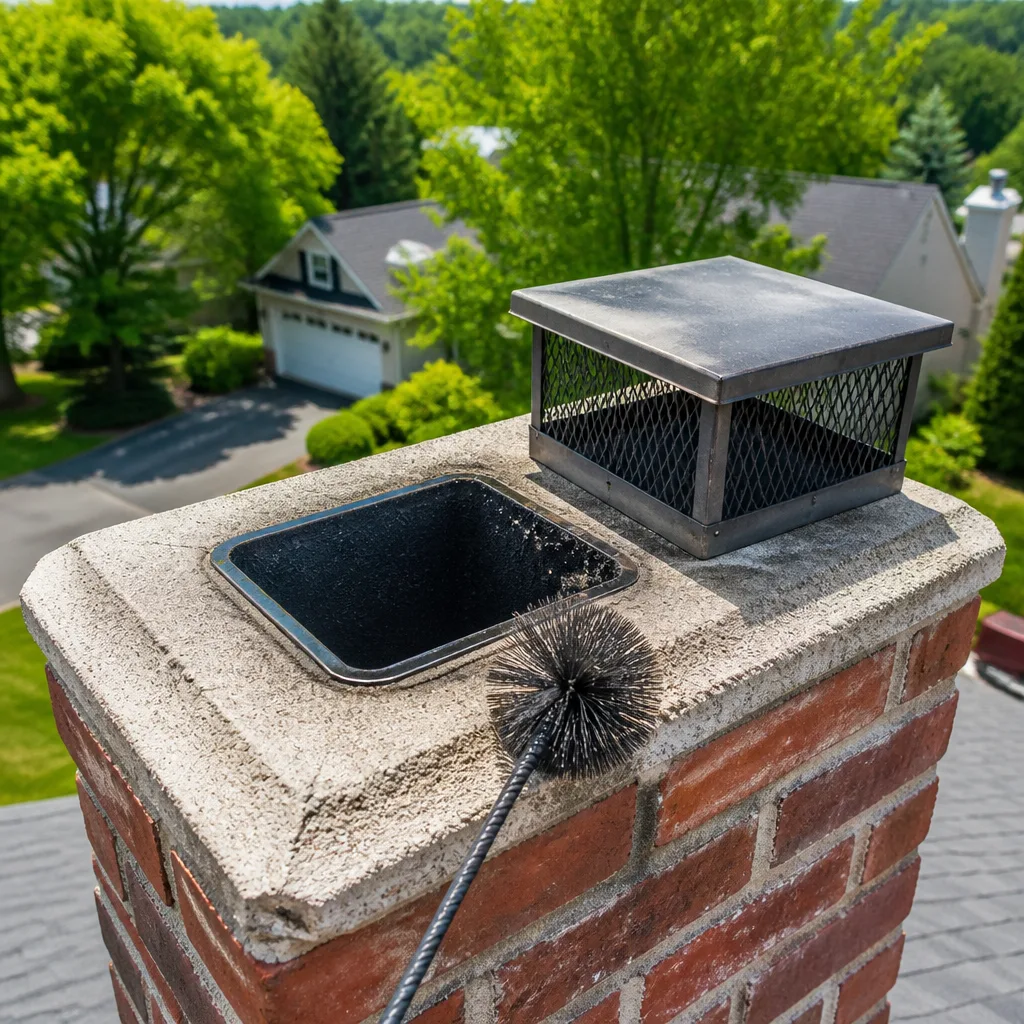 Sweep & inspection
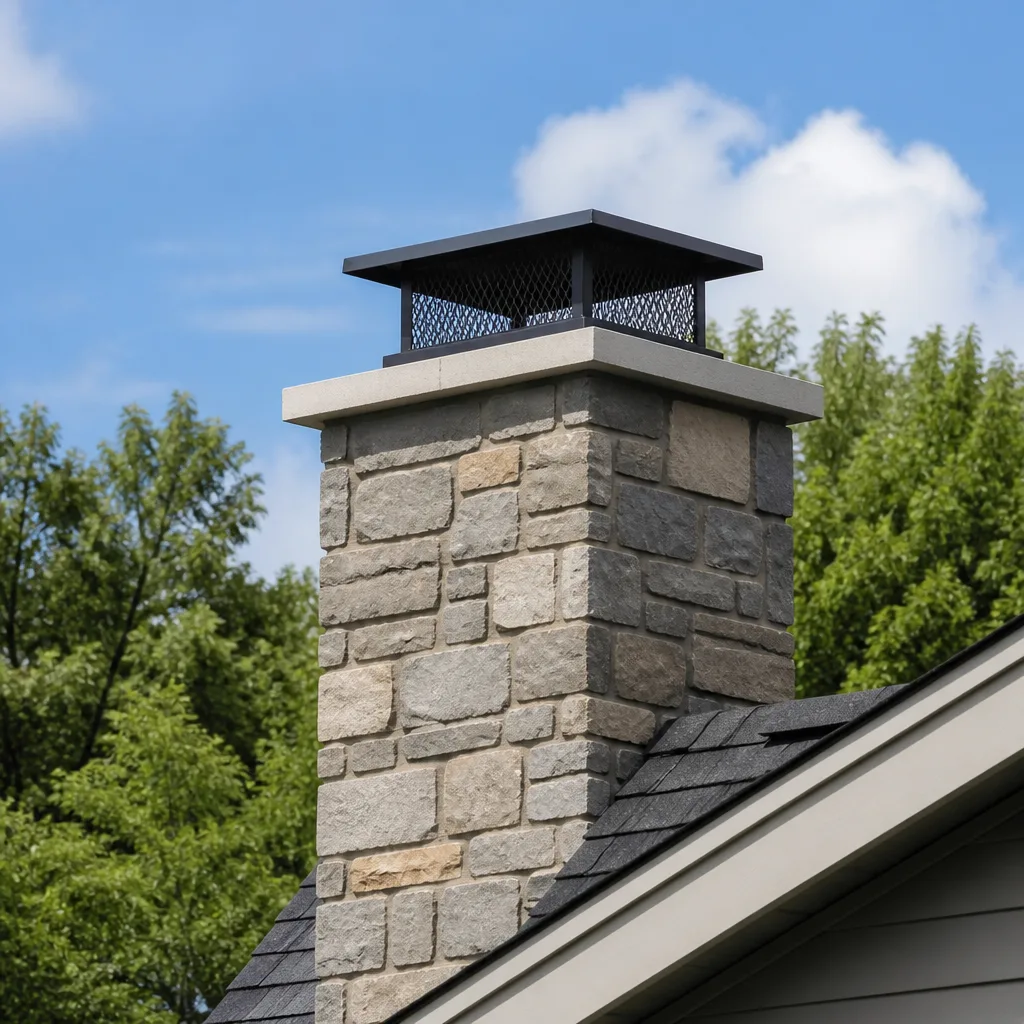 Caps & crowns
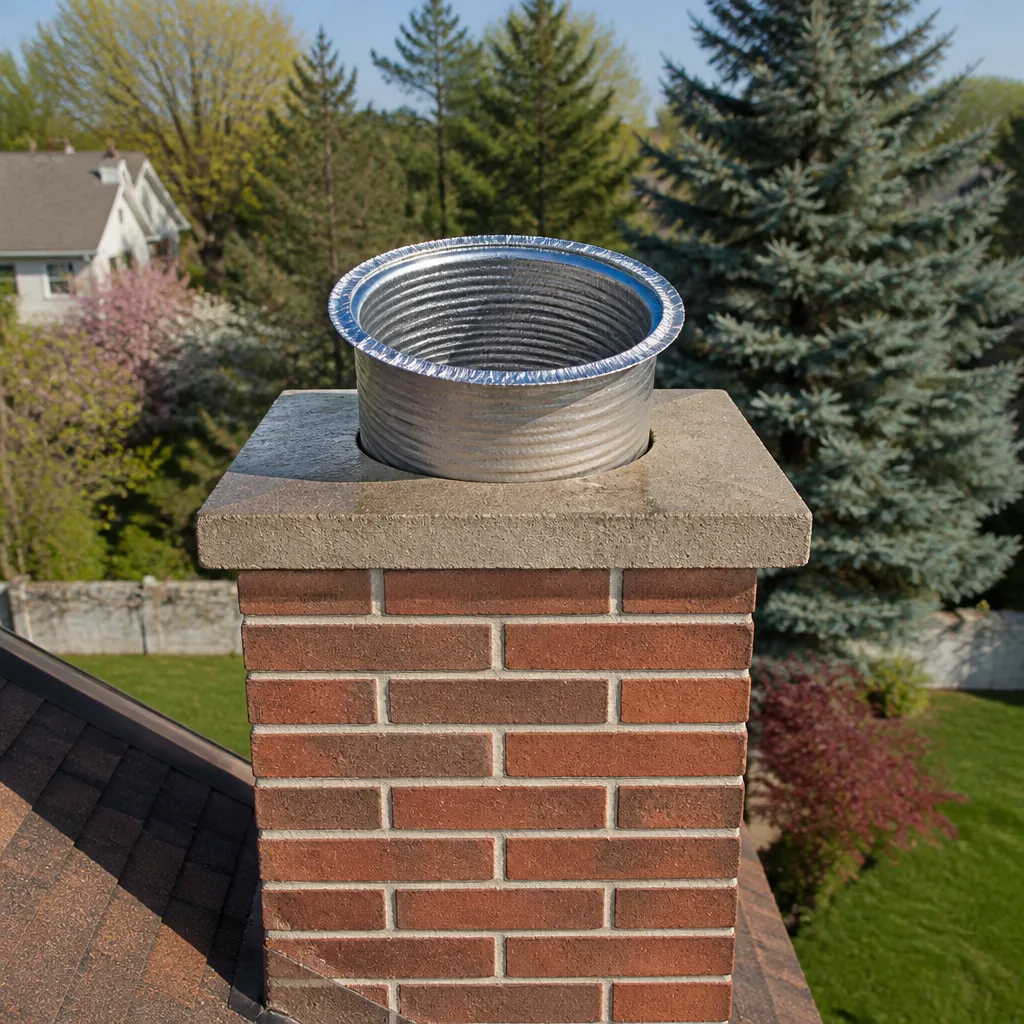 Flue relining
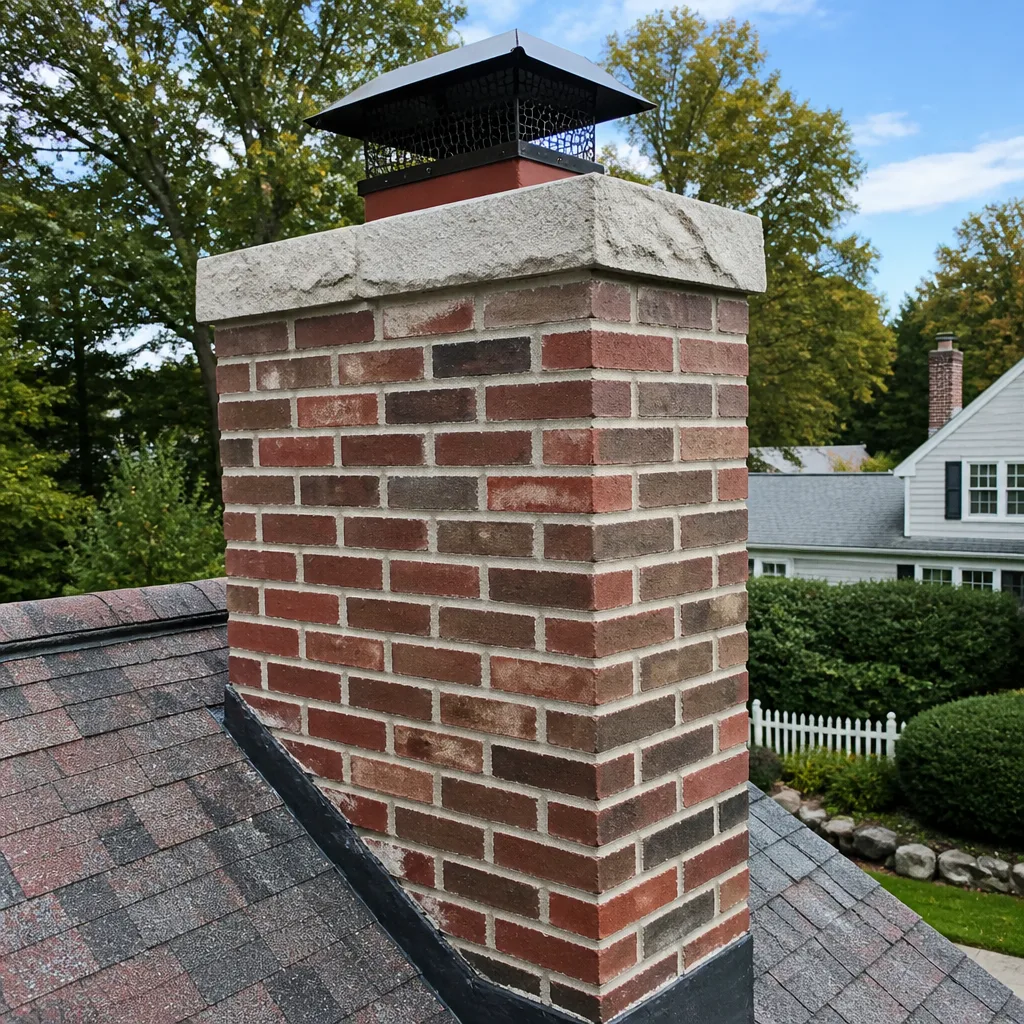 Masonry repair
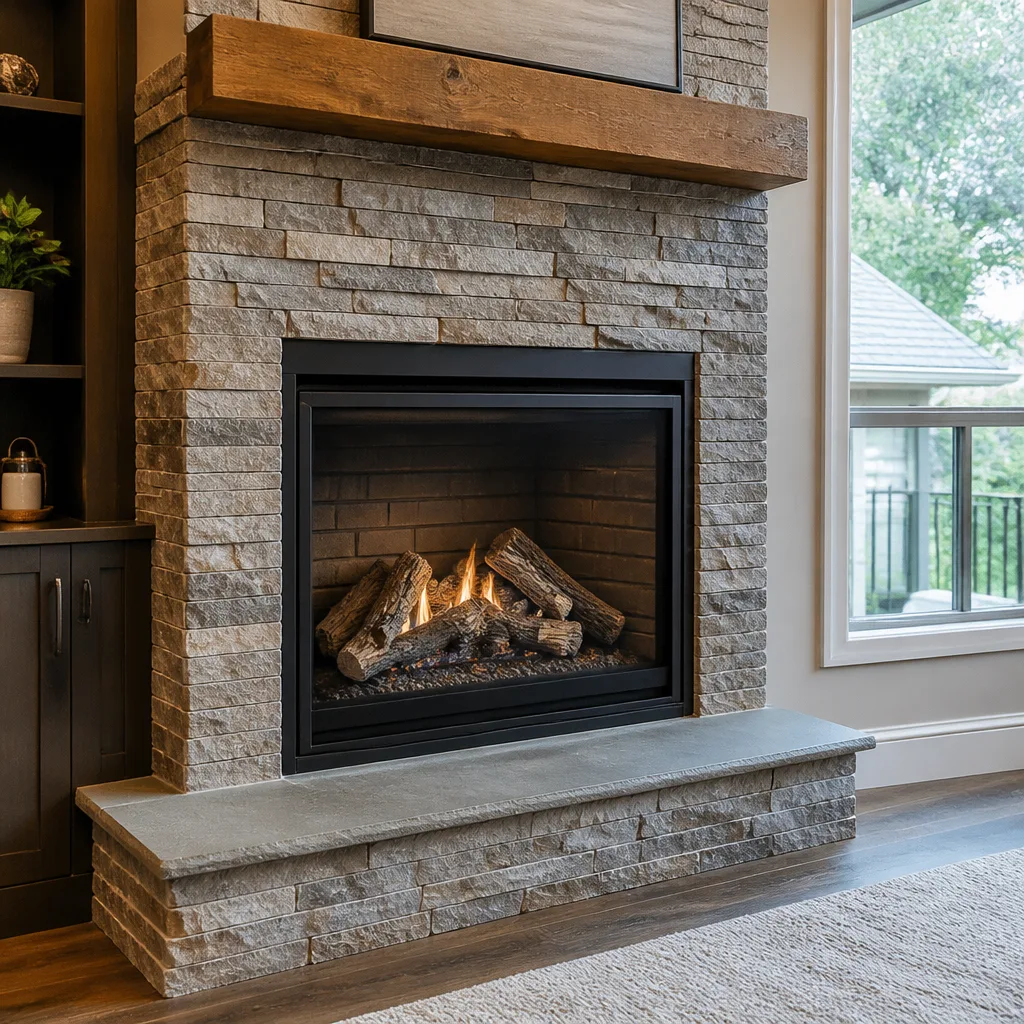 Gas fireplace service
Level 1 sweep and inspection to the NFPA 211 annual standard - flue, crown, cap, and flashing checked and photographed
Chimney sweep logs do not sweep chimneys. They loosen some creosote - which then falls where a brush and vacuum still have to collect it.
Chimney Cleaning Permits, Codes & Inspections in Torresdale, PA: What You Need to Know
A liner replacement done without a permit in Pennsylvania isn’t just a code violation. It’s a disclosure liability that can complicate a home sale years after the work is complete. Here’s the wrinkle most homeowners never hear: a routine chimney sweep almost never needs a permit, yet the same company can step from sweeping into liner work, firebox restoration, or an appliance reconnection that absolutely does. The line between the two moves quietly, and most people only find out where it sat after the fact. In this guide we lay out which chimney services in Torresdale require permits under Pennsylvania’s Uniform Construction Code and Philadelphia’s local amendments, how to verify a contractor actually pulled the right one, what an inspector checks, and how unpermitted work can follow you into an insurance claim or a closing.
Quick Answer
In Torresdale and across Philadelphia, routine chimney cleaning does not require a permit, but liner replacement, structural masonry rebuilds, and work that changes or reconnects a solid-fuel appliance usually do under Pennsylvania’s Uniform Construction Code as amended locally. A licensed contractor pulls the permit before work starts, and the job should be inspected against NFPA 211 standards before it’s signed off. If a company can’t show you the permit number on request, that’s your answer.
Styles & brands we work with
- Sweep & inspection
- Caps & crowns
- Flue relining
- Masonry repair
- Gas fireplace service
Table of Contents
- Which chimney services need a permit in Pennsylvania?
- How Philadelphia’s local amendments change the picture
- How to verify a contractor pulled the right permit
- What NFPA 211 actually requires from you and your contractor
- What a code inspector checks on liner and masonry work
- How unpermitted work affects a homeowner’s insurance claim
- Torresdale-specific considerations: older housing stock and the local climate
- What this means at resale and disclosure
Which chimney services need a permit in Pennsylvania?
Cleaning doesn’t. Structural or system-level changes generally do. That’s the short version of the permit threshold in Pennsylvania under the Uniform Construction Code, which is the statewide building code adopted from the International Residential Code family and administered locally by each municipality. The UCC treats a chimney as part of the building envelope and the fuel-burning appliance system, so anything that alters the flue, the firebox, the masonry structure, or the connection to the appliance falls under its scope.
Here’s how the line typically falls for the work we do in Torresdale and the surrounding Philadelphia neighborhoods:
- Routine sweeping and inspection: no permit. Cleaning removes creosote and soot; it doesn’t change the structure.
- Cap and crown installation or repair: usually no permit when it’s a like-for-like replacement on the existing chimney top. A crown that involves rebuilding masonry may pull the job into permit territory, so ask.
- Chimney liner installation or replacement: typically requires a permit. A new liner changes a component of the venting system, and inspectors want to see the listed product and its installation.
- Structural rebuilds of the chimney stack, firebox, or smoke chamber: requires a permit. This is masonry construction.
- Appliance change-outs or reconnection: if a wood stove, insert, or gas appliance is added or swapped, the venting and connection are part of the review.
One caveat worth stating plainly: municipalities vary in how aggressively they classify small cap work or crown repair, and Philadelphia’s Department of Licenses and Inspections is the authority that decides. When in doubt, a reputable company checks with L&I before booking the job. That’s part of the chimney repair conversation, not an afterthought.
How do Philadelphia’s local amendments change the picture?
Philadelphia enforces the UCC with local amendments, and the practical effect for chimney work is that the city treats solid-fuel venting as a life-safety system subject to plan review and inspection, not a casual home improvement. The city’s Department of Licenses and Inspections administers building permits and sends inspectors to key stages of the work. For liner replacements and rebuilds in Torresdale and the rest of the city, that means the permit is filed with L&I, the contractor is responsible for the inspection request, and a passed inspection is what closes the permit.
A few specifics that matter for anyone hiring chimney work here:
- The contractor needs a valid Philadelphia contractor license for the scope of work, and for masonry that usually means a specific license classification. Ask for it.
- Liner installations use listed products and the manufacturer’s installation instructions; the permit review looks at the product and the application together.
- Rebuilds that touch the chimney above the roofline can trigger additional review because of the height and access involved.
- Electrical work for a gas appliance ignition or a draft inducer is a separate trade and a separate permit in many cases.
Because local rules shift, the safest habit is to have the company verify current requirements with L&I for your specific address before the work is scheduled. We do this on liner and rebuild jobs and we tell the homeowner what L&I told us, in writing.
How do you verify a contractor actually pulled the permit?
You ask for the permit number before work begins, not after. That single sentence handles most of the risk. Pennsylvania does not have a statewide online portal that shows every permit across every municipality, and Philadelphia’s L&I system is the place to check within the city. A contractor who did this regularly can give you the number and the address it’s attached to in one message.
Here’s the sequence we recommend, in order:
- Ask for the permit number in writing before the start date. A text or an email is fine. If the number doesn’t exist yet, ask when it will.
- Check the number against the address. A permit pulled for a different property is not your permit.
- Confirm the scope. The permit should describe a liner replacement, a rebuild, or whatever the actual work is. If it says something generic, ask for the scope description.
- Look up the contractor’s license. Philadelphia’s L&I maintains the license lookup for city contractors. If the name on the license doesn’t match the name on the contract, stop.
- Ask who requests the inspection. The permit holder is responsible. If the contractor dodges this, that’s a signal.
- Get the inspection result in writing. A passed inspection document is your record.
We run this process on our own liner and rebuild jobs, because the homeowner shouldn’t have to chase the paper trail. It’s the same discipline that sits behind a Chimney Sweep Torresdale service call that stays in scope, and it’s how a homeowner avoids authorizing unpermitted work by accident.
What does NFPA 211 require from you and your contractor?
NFPA 211 is the Standard for Chimneys, Fireplaces, Vents, and Solid Fuel-Burning Appliances, and it’s the reference standard the code points to when a chimney system is installed or altered. It sets out the clearance requirements, the listing requirements for liners, the construction of the firebox and smoke chamber, and the inspection expectations. What it requires from your contractor is straightforward: install listed products to the manufacturer’s instructions, maintain the clearances the standard specifies, and inspect the finished system before handing it back.
What it requires from you is less obvious but just as real:
- Keep the documentation. The liner’s listing information, the installation record, and the inspection report belong in your file. If you sell the house, this is what a buyer’s inspector will ask for.
- Don’t cover the system. Clearances exist so combustible framing doesn’t sit against a hot flue. Insulation added later or a finish wall built tight to a chimney can quietly create a hazard.
- Have the system inspected after certain events. A chimney fire, a lightning strike, a significant earthquake, or a change in the appliance calls for an inspection before the next fire.
- Understand that a liner must be listed for the application. A flexible liner used on wood appliances is a different product from one used on a gas appliance. Someone has to match them.
This is where professional-grade materials matter. We install DuraFlex liner systems and apply HeatShield to damaged fireboxes and flue tiles because both are products specified by certified chimney professionals and both come with the documentation an inspector wants to see. The chimney sweep visit is also the right moment to ask whether the system still conforms to NFPA 211, before a problem turns into a rebuild.
What does a code inspector actually check on liner and masonry work?
The inspector checks the system, not the paperwork alone. For a liner replacement, that means confirming the listed product, its correct application, its termination at the top, and its connection at the appliance. For masonry, that means structural integrity, clearances to combustibles, and the condition of the smoke chamber and firebox. The inspection is a third-party check on the work, which is exactly why it exists.
Here’s the short checklist a typical inspection covers:
- Listed product matching the application. The liner’s label must support the fuel type and the appliance it serves.
- Proper termination. The cap and top plate must be installed correctly, and the crown must shed water away from the flue.
- Clearances to combustibles. Framing, insulation, and roof decking must sit at the required distance from the chimney.
- Structural integrity. On a rebuild, the masonry must be sound, the joints filled, and the flue properly sized.
- Smoke chamber and firebox. The smoke chamber should be parged or restored appropriately and the firebox should be intact with the right liner material.
- Cap and rain protection. Properly installed caps and crowns are part of the finished job, not an accessory. We install Gelco and Copperfield components because they hold up and because they pass inspection without a debate about consumer hardware.
“Passing inspection” means an inspector put eyes on the system and the documentation and agreed it meets the code and the standard. It doesn’t mean the chimney will never need work again. It means the work was done right and there’s a record.
How does unpermitted chimney work affect a homeowner’s insurance claim?
It can complicate the claim, sometimes significantly. Homeowner policies generally expect the home to be maintained in a code-compliant condition, and if a fire or a carbon monoxide incident traces back to work that was never permitted or inspected, the insurer can raise questions about whether the loss is covered. That’s not a scare tactic, it’s how claims adjusters work. The adjuster is looking for cause, and unpermitted work is a cause-shaped hole.
What actually matters in a claim after a chimney fire or a CO event:
- Documentation of the system. The liner spec, the installation record, the inspection report. If the work was permitted and inspected, that documentation exists.
- A paper trail showing maintenance. Sweep records with dates and findings show the system was maintained.
- Whether the appliance was installed to code. A wood stove or insert not properly connected is a claim problem before it’s a safety problem.
- Whether the work was disclosed at purchase. If you bought the house with unpermitted chimney work and didn’t disclose it, the ladder runs longer.
We work with homeowners who face this after the fact. Our process is camera inspection with a photo report, so the condition of the system is documented before anyone recommends work. Nothing is recommended without evidence the homeowner can see, and if the honest answer is that the work can wait, we say so.
Torresdale-specific considerations: older housing stock and the local climate
Torresdale sits in Northeast Philadelphia along the Delaware, and the housing stock here tells you something about the chimney work that comes up. Many of the homes in Torresdale, and in the neighborhoods around it like Holmesburg, Pennypack, and Mayfair, were built decades ago when builders used clay tile flues sized for coal then later adapted to wood or gas. Those flues weren’t designed for the way we heat today. When a homeowner switches from oil to gas, adds an insert, or replaces a wood stove, the original flue often doesn’t match the new appliance, and that mismatch is what triggers the liner replacement and the permit.
The climate matters too. Philadelphia’s winters are cold enough that a wood-burning season runs from late fall into early spring, and the freeze-thaw cycles we get are hard on masonry. A crown that’s cracked in November can take on water through the winter, and that water works into the brick and the mortar joints. By spring the crown can be a rebuild. Catching it before it compounds is the whole game. A cracked crown is a crown repair, not a chimney catastrophe, if it’s addressed while it’s still a crown.
Torresdale’s proximity to the Delaware also means a lot of these homes have basements with old flues that were originally for furnaces and water heaters. When a gas appliance is swapped or a high-efficiency furnace is installed, the old flue may no longer be appropriate, and the venting question is a code question. The chimney cap & crown work we do in Torresdale often surfaces these flue questions during a routine visit, and it’s why we document the whole system rather than the part we were called out for.
What this means at resale and disclosure
Pennsylvania requires sellers to disclose known material defects, and unpermitted chimney work sits squarely in that category once you know about it. A buyer’s home inspector will look at the chimney, find work that has no permit record, and recommend further evaluation. What could have been a simple permit at the time of the work becomes a negotiation point years later. In a Torresdale sale, that conversation often adds weeks and can move the price.
Two habits prevent most of this:
- Pull the permit when the work happens. It costs less than a delayed closing and it’s the contractor’s job, not yours.
- Keep the file. Permit number, inspection result, liner documentation, sweep records. A thin folder is enough.
If you’re buying a home in Torresdale with a chimney, ask the seller for the chimney documentation before you remove contingencies. If there’s no record and you can’t verify the liner, budget for an inspection. It’s the cheapest insurance in the transaction.
Common Mistakes to Avoid
- Treating a sweep and a liner replacement as the same permit question. Cleaning almost never requires a permit; a liner replacement usually does. Assuming either way is how homeowners end up with unpermitted work.
- Letting the contractor start before you’ve seen the permit number. “We’ll pull it later” is the sentence that leads to problems at resale. The permit should exist before the work does.
- Accepting a hose-clamp and caulk cap from a hardware store as chimney protection. A cap that fails in a Torresdale freeze-thaw winter lets water into the flue and the crown. Professional-grade components like Gelco and Copperfield exist for a reason.
- Skipping the inspection because the work “looks fine.” The inspection is the third-party check. Passing it is the record you’ll need if a claim or sale comes up later.
- Authorizing a full rebuild when a restoration would do. HeatShield application can restore damaged fireboxes and flue tiles in many cases without demolition. Ask whether restoration is an option before you agree to a rebuild.
- Ignoring the appliance when the flue is resized. A new liner needs to match the appliance. If nobody’s checking that match, the permit and the inspection will expose it later.
- Buying a home in Torresdale without chimney documentation. Ask for the permit record and the inspection result. If they don’t exist, get an inspection before you close.
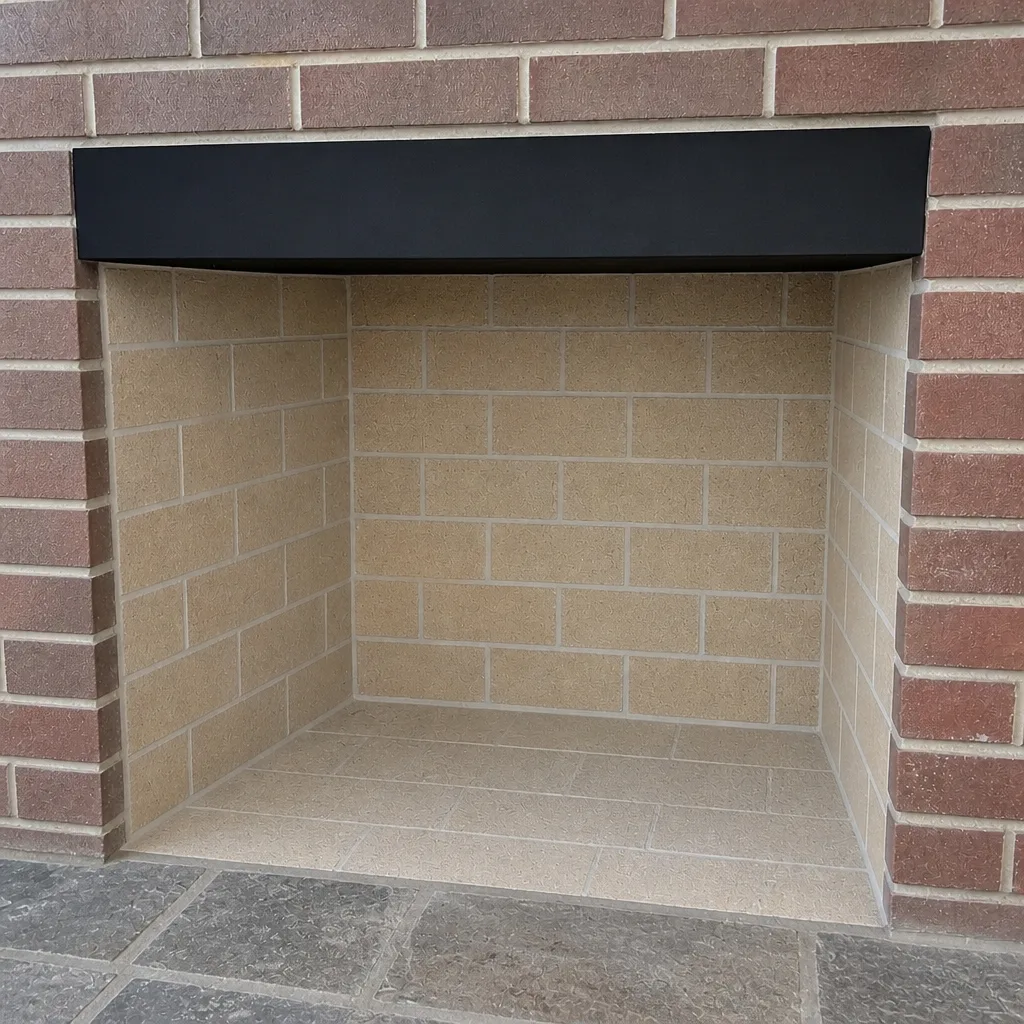
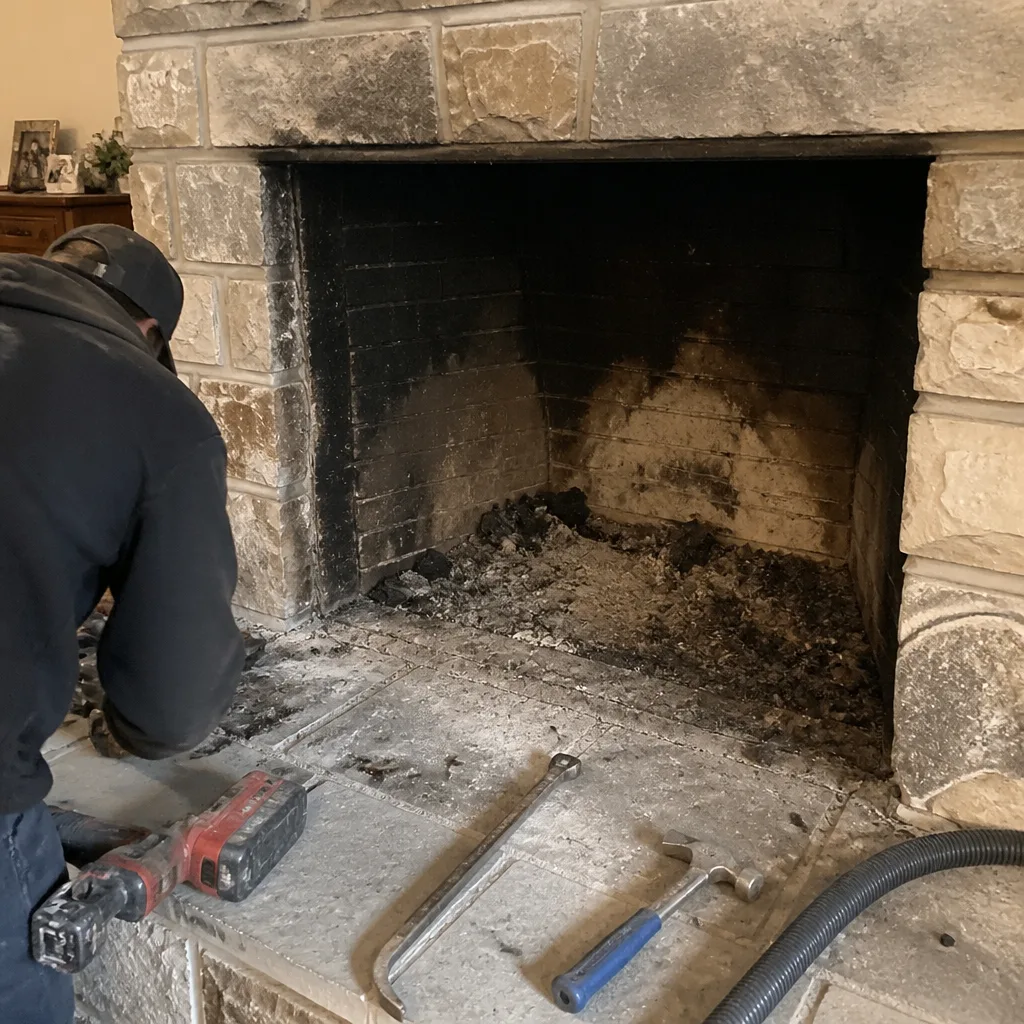
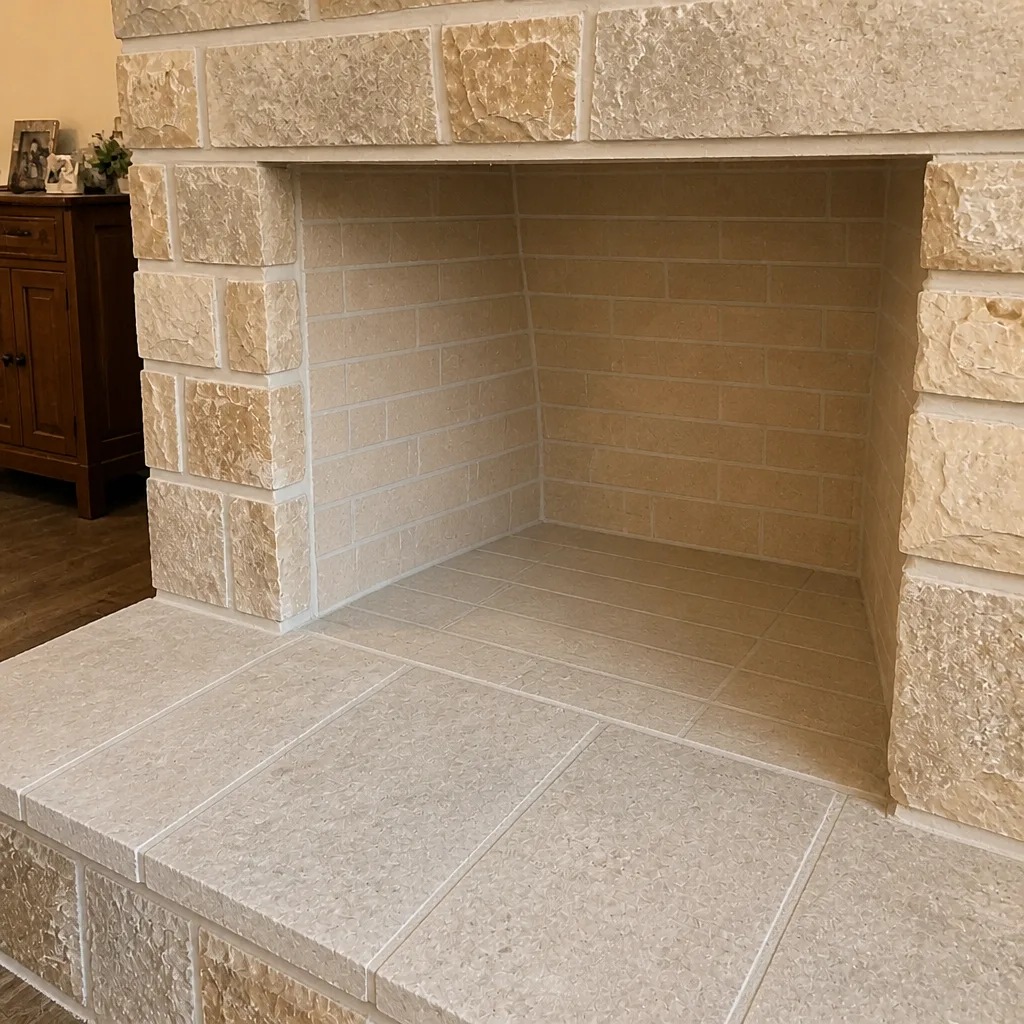
See the difference
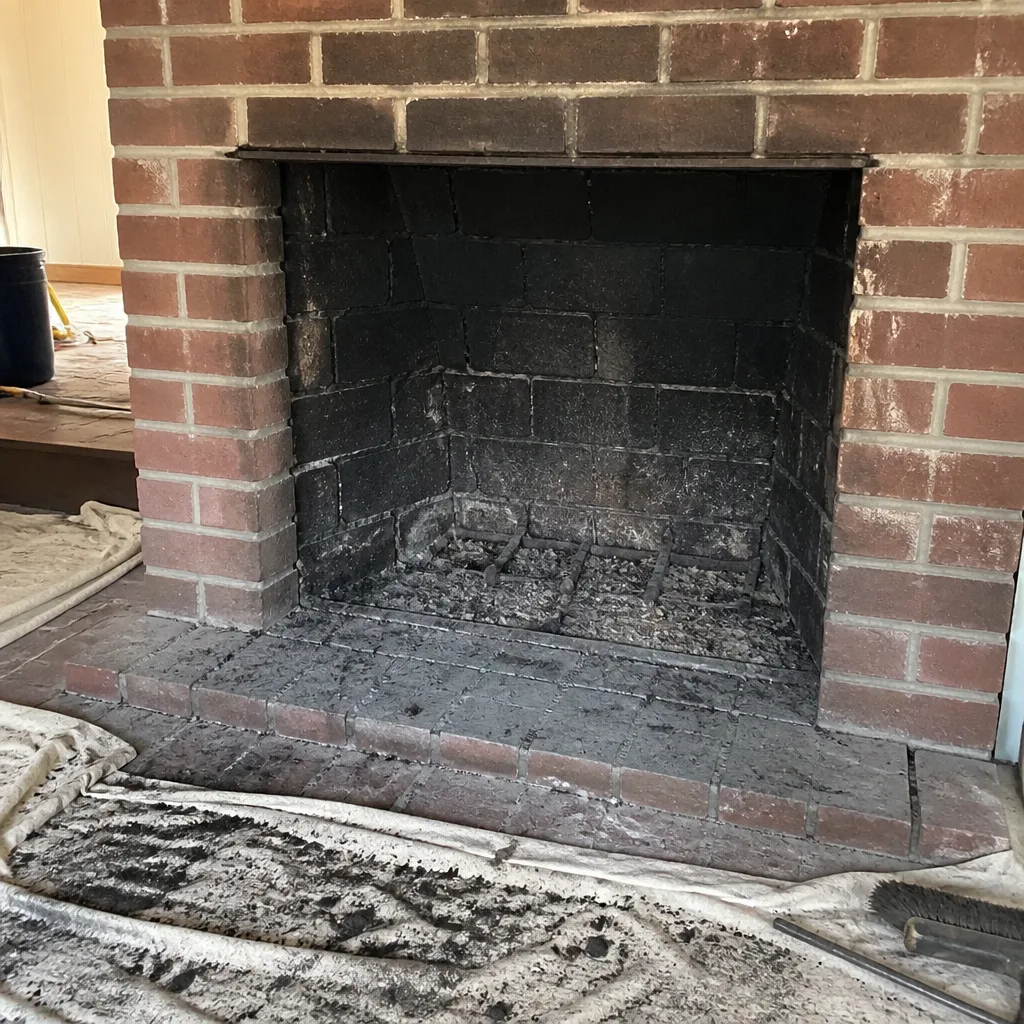 Before
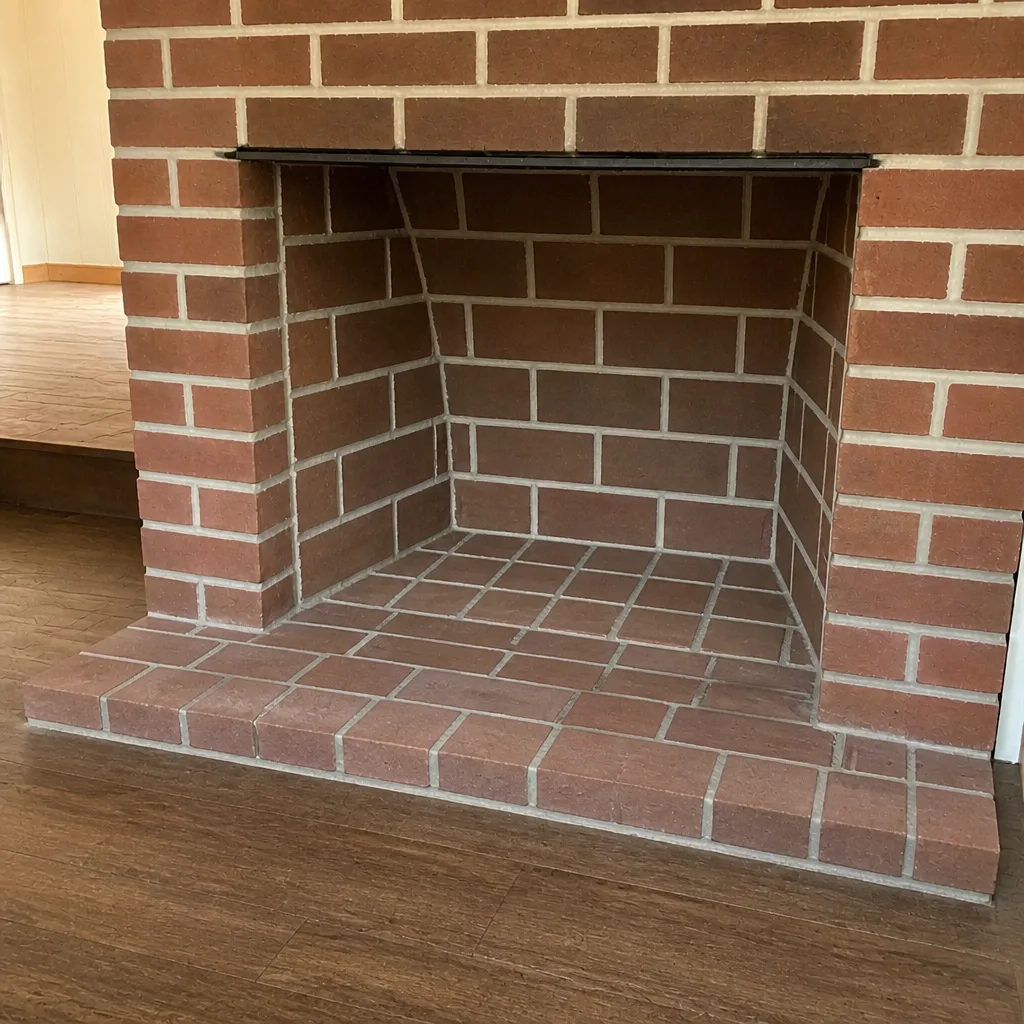 After
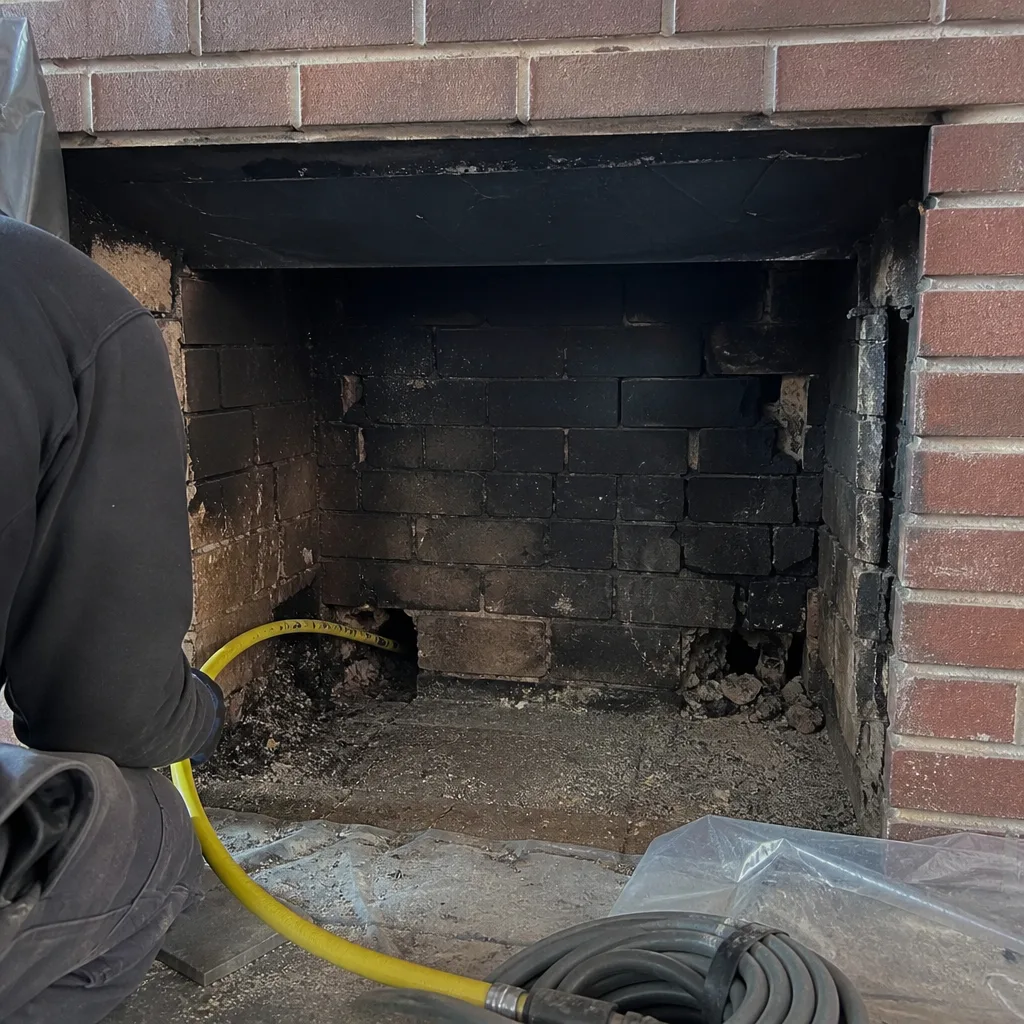 Before
 After
 Before
 After
When to Call a Professional
Call a professional chimney company when any of these come up: you’re planning a liner replacement, a masonry rebuild, or a change to the appliance, because these are the permit-and-inspection jobs. Call when you’ve bought a home in Torresdale and can’t find the chimney records, because undocumented work is a risk you inherit. Call when you see a cracked crown, a spalling chimney or a cap that’s failing, because those are the repairs that prevent bigger ones. Call when you’re planning to burn this season and haven’t had the system inspected. And call when a company tells you that a liner or rebuild doesn’t need a permit, because that’s a moment to get a second opinion. Chimney Sweep Torresdale offers free estimates in Torresdale. Call (877) 812-1596. We answer 24/7. Fast dispatch from 7am to 7pm, Sunday through Friday. Our technicians have up to 8 years of experience, and every job starts with a documented inspection rather than a guess.
Frequently Asked Questions
No. Routine chimney cleaning in Torresdale and across Philadelphia does not require a permit, because it removes creosote and soot without altering the structure or the venting system. The permit question starts when the work crosses into liner replacement, structural masonry, or an appliance change. If a company says your sweep needs a permit, ask them to clarify what else they’re doing, because cleaning alone doesn’t. Call (877) 812-1596 for an exact quote on a sweep, and estimates are free.
Usually yes. A liner replacement is a change to a component of the venting system, and in Philadelphia the job typically goes through the Department of Licenses and Inspections with an inspection before the permit closes. The liner must be a listed product matched to the appliance, installed to the manufacturer’s instructions and the clearances NFPA 211 requires. If the contractor can’t give you a permit number, don’t start. Call (877) 812-1596 with your liner question and we’ll walk you through what applies to your home.
Ask for the permit number in writing before work starts, then confirm it’s attached to your address and describes your actual scope. In Philadelphia you can check the contractor’s license through L&I. If the name on the permit doesn’t match the name on the contract, or the scope is vague, ask again. The permit holder is responsible for calling the inspection, so the answer to “who calls the inspector?” should be immediate and unprompted. Estimates are free if you want a second opinion. Call (877) 812-1596.
NFPA 211 requires the system to be installed and maintained in a code-compliant condition, and it puts a few practical obligations on you. Keep the documentation for any liner or appliance work. Don’t add insulation or finishes against the chimney that violate clearances. Get the system inspected after a chimney fire, a lightning strike, or an appliance change. And maintain the sweep records, because those show the system was cared for. Call (877) 812-1596 if you’re not sure what your system’s documentation should include.
Yes, it can. If a fire or a carbon monoxide event traces back to work that was never permitted or inspected, the adjuster’s investigation can raise coverage questions, and those questions are harder to resolve without documentation. A permit record, an inspection result, and sweep history are what a claim file wants to see. If you’re dealing with this now, a documented inspection is the first step. Call (877) 812-1596 to book an inspection and get a photo report you can share with your insurer.
It does, because many homes in Torresdale and nearby Northeast Philadelphia neighborhoods have original flues that were sized for older appliances and don’t match today’s wood stoves, inserts, or gas equipment. When the flue and the appliance don’t match, the liner replacement becomes the likely fix, and the permit comes with it. Freeze-thaw winters here also stress crowns and caps, which is why we recommend catching those early. Call (877) 812-1596 for a free estimate, and we’ll tell you honestly what needs a permit and what doesn’t.
The Bottom Line
Routine chimney cleaning in Torresdale is a no-permit job. Liner replacement, structural rebuilds, and appliance changes are permit jobs, and the permit is the contractor’s responsibility, not yours. The practical test is simple: ask for the permit number before work starts, confirm it’s attached to your address and your scope, get the inspection result in writing, and keep the file with your sweep records. NFPA 211 sets the standard, Philadelphia’s L&I enforces it with local amendments, and the record you keep today is the documentation that protects you at resale and in an insurance claim. If you’re unsure which side of the line your chimney falls on, that’s the moment to call.
If you’re planning a sweep, a liner, or a rebuild in Torresdale, call Chimney Sweep Torresdale at (877) 812-1596 for a free estimate. We work on the full system, cap to firebox, and we’ll tell you what needs a permit, what doesn’t, and what can safely wait. We answer 24/7. Fast dispatch from 7am to 7pm, Sunday through Friday. Our technicians have up to 8 years of experience, and every recommendation comes with camera evidence you can see for yourself.
Written by the team at Chimney Sweep Torresdale.