
Last updated November 22, 2026
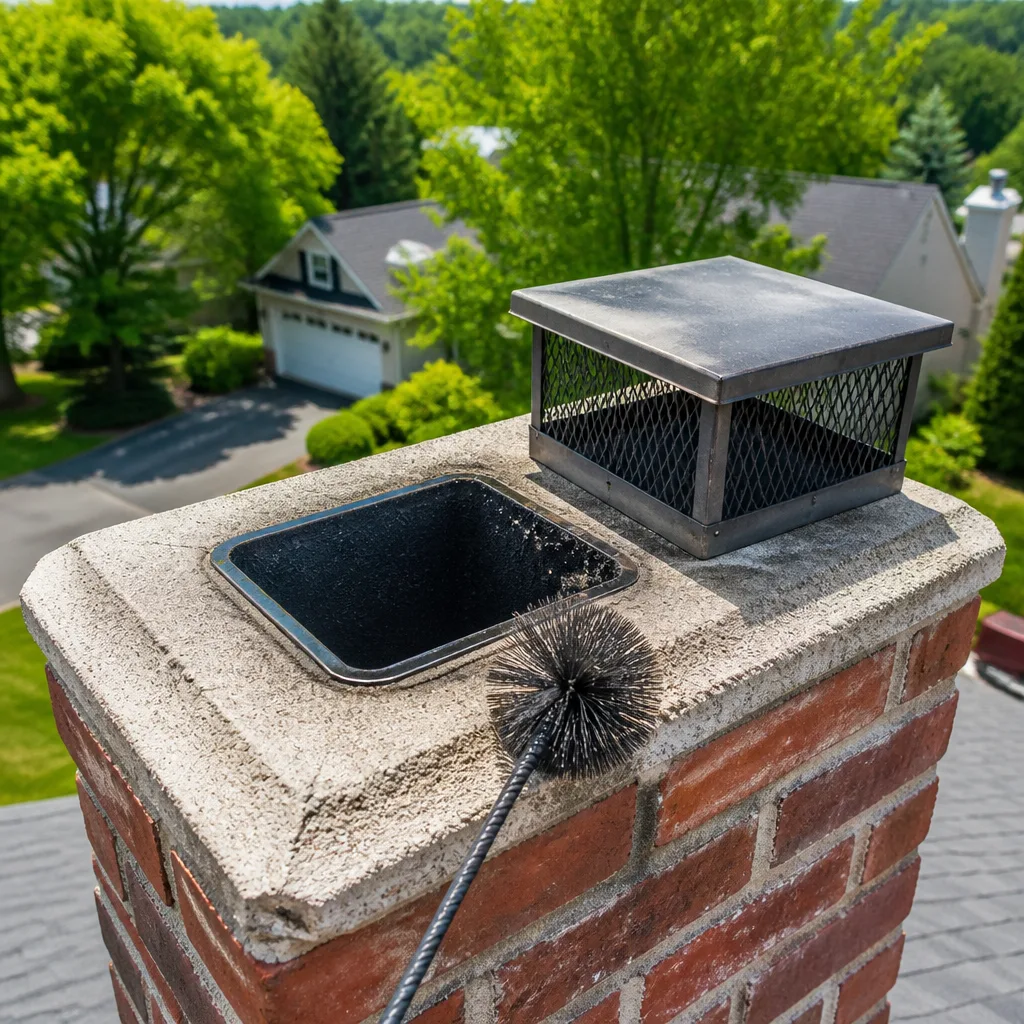 Sweep & inspection
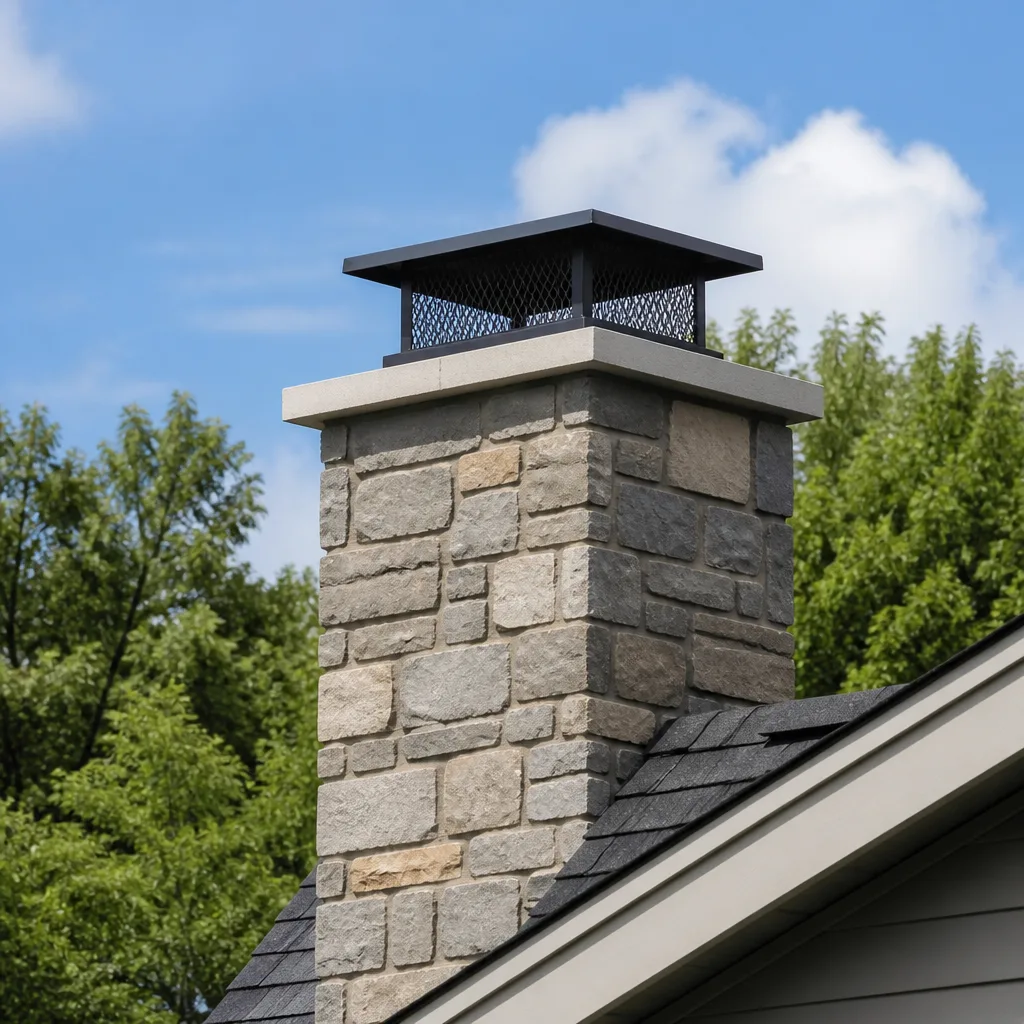 Caps & crowns
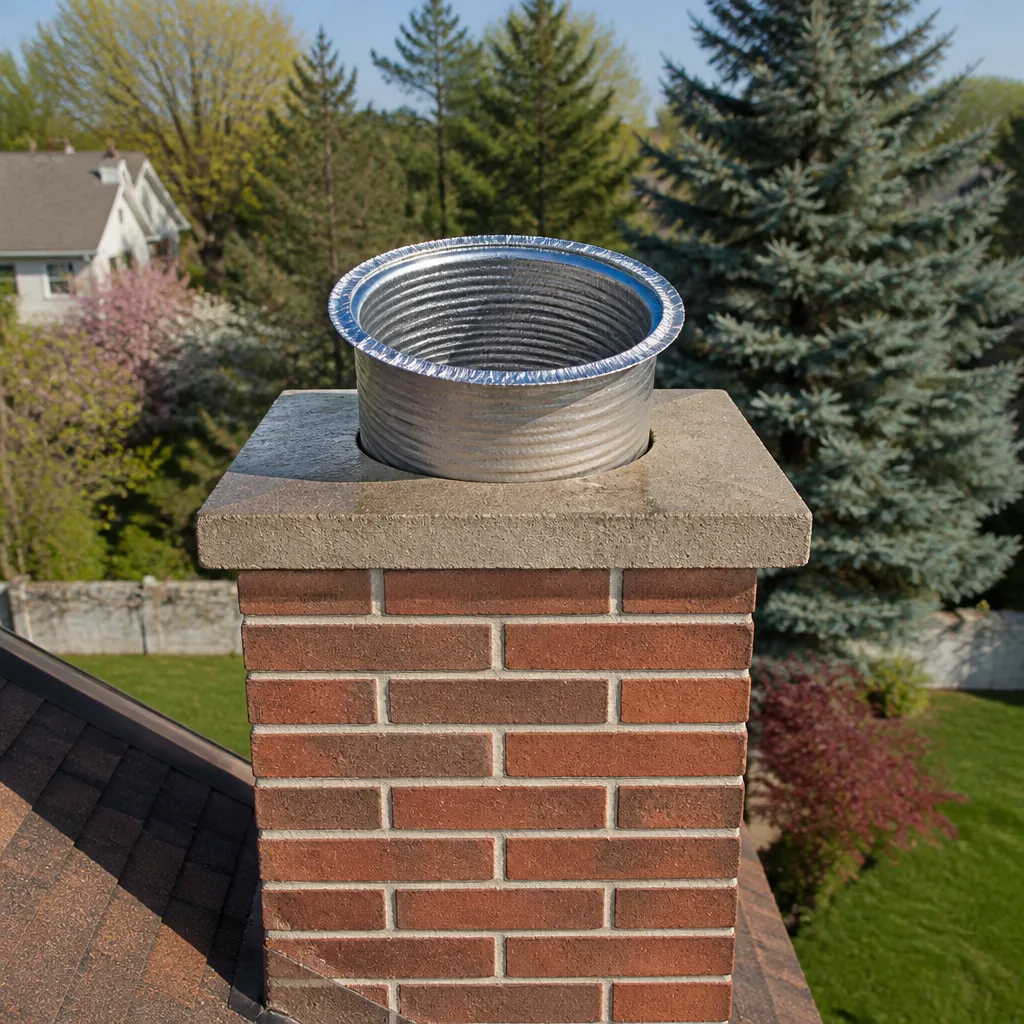 Flue relining
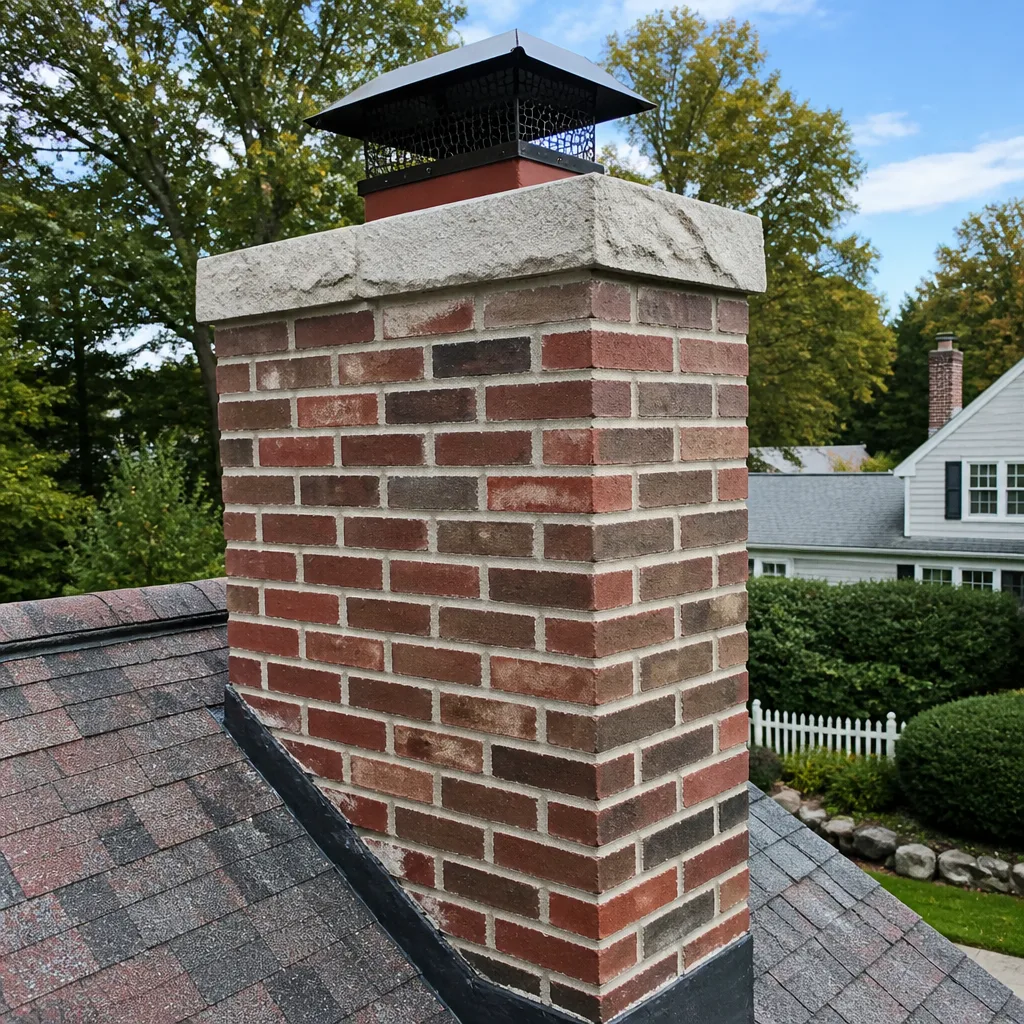 Masonry repair
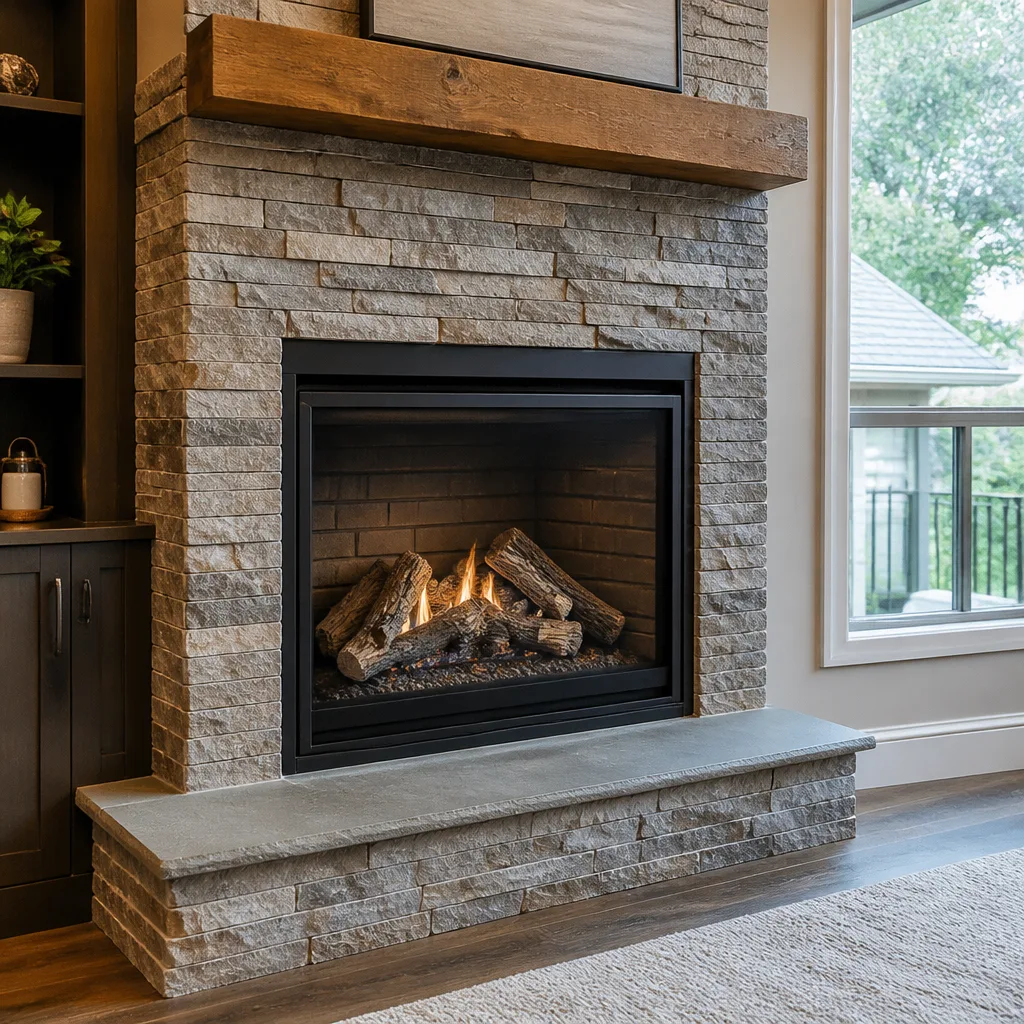 Gas fireplace service
Level 1 sweep and inspection to the NFPA 211 annual standard - flue, crown, cap, and flashing checked and photographed
Chimney sweep logs do not sweep chimneys. They loosen some creosote - which then falls where a brush and vacuum still have to collect it.
Chimney Cleaning Warning Signs: A Torresdale Homeowner’s Reference Guide
Most homeowners assume the first sign of a chimney problem is smoke backing up into the room. In our experience, the earliest warnings are quieter than that. A faint smoke smell on a mild evening when the fireplace is cold. A chalky white bloom spreading across the brick. A soft pop you hear mid-burn and shrug off. Your chimney tells you what’s happening inside it long before anything dramatic occurs, and it does it through smells, stains, sounds, and small changes in how the fire behaves. This guide is a symptom-to-cause reference. It maps what you’re seeing, smelling, and hearing to the part of the system likely causing it, so you can describe the problem accurately and know whether it needs attention now or can wait for the next visit. We work on chimneys across Torresdale, and the same handful of early signs comes up again and again.
Quick Answer
The main chimney cleaning warning signs are a strong smoke smell when the fireplace isn’t in use, white or dark staining on the brick or around the firebox opening, crumbling mortar or a cracked crown, water dripping inside the firebox, popping or rumbling during a burn, and musty or chemical odors coming from the system. Musty smells usually point to moisture, smoky smells to creosote buildup or draft reversal, and a plastic or chemical smell to the wrong appliance vented into the flue. Any of these means the chimney has something worth checking, and a few of them mean you should stop using the fireplace until a technician has looked at it.
Styles & brands we work with
- Sweep & inspection
- Caps & crowns
- Flue relining
- Masonry repair
- Gas fireplace service
Table of Contents
- What the Smells Are Telling You
- Stains and What They Map To
- The Sounds a Chimney Makes
- Water Where It Shouldn’t Be
- Symptom-to-Component Chart
- Aesthetic Issues vs. Structural Emergencies
- The Triage Framework: Call Now, Schedule Soon, or Monitor
- Common Mistakes to Avoid
What the Smells Are Telling You
A strong smoke smell when the fireplace isn’t in use isn’t a draft quirk. It usually means creosote has built up to a stage where it’s off-gassing through compromised liner joints into the living space. Creosote is the tar-like residue left behind by burning wood, and when it coats the flue thickly, it can release vapors even when there’s no fire. The smell gets stronger on warm days, when the house is warmer than the chimney and air wants to move downward. If you smell smoke in a room with a cold fireplace, treat it as a liner or buildup issue and get it checked.
Different smells point to different problems, and telling them apart helps you describe what’s going on when you call:
- Musty, damp, or earthy: moisture somewhere in the system. Water may be entering through a failed crown, a missing cap, or cracked masonry. A musty smell near the firebox is a strong moisture signal.
- Smoky, especially when there’s no fire: creosote buildup, a draft reversal, or a liner with gaps. Draft reversal happens when outside air pressure and temperature push air down the flue instead of pulling it up.
- Burning plastic or chemical: an appliance venting into the flue that shouldn’t be. A gas furnace or water heater tied into a chimney designed for wood exhaust can put combustion byproducts into a space where they don’t belong. This one warrants a call rather than a wait.
Smell is the easiest warning sign for a homeowner to notice and the hardest to interpret alone. If any of these odors is persistent through a few days, it’s worth a sweep and an inspection at your first opening. Call (877) 812-1596. We answer 24/7. Fast dispatch from 7am to 7pm, Sunday through Friday.
Stains and What They Map To
Stains on brick and mortar are a running record of what’s happening behind and above them. White staining on brick is usually efflorescence, a chalky salt deposit left when water moves through masonry and evaporates at the surface. It’s evidence of water intrusion, not a cosmetic flaw. The water is coming from somewhere: a cracked crown, deteriorated flashing where the chimney meets the roof, a missing or damaged cap, or spalling brick that’s allowing moisture in. In Torresdale, where older homes with original masonry are common, that pattern shows up on chimneys that have gone a few seasons without a look at the crown and cap.
Dark staining around the firebox opening is a different story. A dark halo above and around the firebox usually means smoke spillback, where smoke is escaping into the room instead of going up the flue. That points to a damper problem, a partially closed damper, a flue that’s undersized for the firebox, a blockage like an animal nest, or a draft issue. Smoke spillback is both a nuisance and a sign the system isn’t moving exhaust the way it should. It’s worth having the damper, flue, and draft checked together rather than adjusting the damper and hoping.
Here’s how the common stains map to components:
- White powdery bloom on the brick: efflorescence from water intrusion. Look at the crown and flashing first.
- Dark streaking above the firebox: smoke spillback from a damper, draft, or blockage issue.
- Rust-colored stains inside the firebox or on metal parts: moisture reacting with metal, often a cap or crown failure letting water in.
- Green or black growth near the roofline: prolonged damp. The masonry has been wet long enough to support growth, which means the water source is ongoing.
Water is patient. It gets into masonry, freezes, expands, and works the joints apart season after season. Catching staining early is what lets a chimney cap & crown repair stay a repair instead of becoming a rebuild.
The Sounds a Chimney Makes
Chimneys make noise, and most of it is normal. Wood settles and pops, the firebox ticks as metal heats and cools. But some sounds are worth paying attention to because they point at a specific component. Popping during a burn that’s louder or more frequent than usual can signal a buildup of creosote igniting in small amounts, or it can mean the liner is expanding and contracting more than it should. A rumbling or roaring sound that comes on suddenly usually means the creosote in the flue has caught, which is a chimney fire. If you hear that, get everyone out and call the fire department. A chimney fire can burn hot enough to damage the liner and masonry even when you don’t see flames.
Other sounds to sort through:
- Unusual draft sounds, whooshing or sucking: a pressure or draft imbalance, or a blockage changing how air moves through the flue.
- Water dripping or trickling inside the firebox: water entering the system, typically from the top. The drip may only show up during rain or snowmelt.
- Rattling or flapping near the top of the flue: a loose cap, a damper that’s not seating, or a bird or animal that’s gotten in.
- Whistling: airflow through a gap, often around a cap or a joint that’s opened up.
The audible signs are easiest to misread because a sound travels. What you hear in the room may be coming from the top of the chimney or from a joint halfway down. That’s why we come out and look at the whole system, not just the firebox. If a sound is new and persistent, get it on the schedule. Call (877) 812-1596. We answer 24/7. Fast dispatch from 7am to 7pm, Sunday through Friday.
Water Where It Shouldn’t Be
Water is the most common cause of chimney damage we see, and it usually comes in from the top. The crown, the cap, the flashing, and the masonry itself are the four places to look. A cracked crown lets water seep into the masonry at the roofline. A missing or damaged cap lets rain straight down the flue. Failed flashing where the chimney meets the roof opens a path into the attic and the framing. And deteriorated brick or mortar lets water wick in from the outside. None of these are hard to spot from the ground if you know what to look for, and all of them are cheaper to fix before they spread.
Inside the house, water shows up in ways people don’t always connect to the chimney:
- Damp or musty smell in the room with the fireplace, strongest after rain.
- Water stains on the ceiling or wall near the chimney chase.
- Rust or corrosion on the damper, firebox, or metal chimney parts.
- Crumbling mortar or spalling brick on the chimney exterior, which worsens once water is in.
- Efflorescence, the white bloom we described earlier, on the brick face.
The cap and crown are the first line of defense, and a professional-grade cap does more than keep rain out. We install Gelco and Olympia Chimney caps because they hold up to weather and fit the flue properly, which a hardware-store cap often doesn’t. If your current cap is rusted through or missing, it’s worth having it replaced before the next wet season.
Symptom-to-Component Chart
Once you’ve gathered what you’re seeing, smelling, and hearing, the next step is figuring out which part of the system the symptom points to. The chart below maps the common signs to the component they usually mean. It’s a starting point, not a diagnosis. A technician confirms with a camera inspection and a look at the whole system.
- White staining on brick: crown, flashing, or masonry moisture. Look at the top of the chimney first.
- Dark staining around the firebox opening: smoke spillback from damper, draft, or blockage.
- Musty smell indoors: water in the system, often from a failed cap or crown.
- Smoky smell with no fire: creosote off-gassing, liner joints, or draft reversal.
- Burning plastic or chemical smell: wrong appliance vented to the flue.
- Popping during a burn: creosote ignition or liner movement.
- Rumbling or roaring: chimney fire. Evacuate and call the fire department.
- Water dripping in the firebox: cap, crown, or flashing failure.
- Crumbling mortar or spalling brick: prolonged moisture and freeze-thaw damage.
- Smoke rolling back into the room: blockage, undersized flue, or a draft problem.
Two signs overlap across components, and that’s normal. Water intrusion can cause a musty smell, rust, spalling, and efflorescence all at once, because one water source feeds all of them. The point of the chart is to help you describe what you’re seeing in specific terms, not to self-diagnose. We’ve seen a homeowner describe a “draft problem” that turned out to be a crown that had been letting water in for two winters. The symptom was smoke, the cause was water.
Aesthetic Issues vs. Structural Emergencies
Not every visible flaw is urgent, and not every urgent flaw is visible. Sorting signs into aesthetic, monitor, and emergency is the practical way to prioritize. The line between them is usually about whether water or fire can get where it shouldn’t.
Aesthetic issues are surface problems that don’t compromise the system. Light surface staining on exterior brick, a faded cap, or minor cosmetic wear on the firebox face. These are worth noting and addressing at your next scheduled sweep, but they don’t mean you need to stop using the fireplace.
Structural concerns to monitor are things that will worsen with time if left, but aren’t dangerous this week. Minor spalling on a few bricks, a hairline crack in the crown, small amounts of mortar missing from a joint. The freeze-thaw cycle in our area works on these, so a hairline crack in fall can be a real opening by spring. Schedule an inspection in the near term and have them addressed before the next burning season.
Structural emergencies are the ones to stop using the chimney for. A cracked or deteriorated liner, a failed flashing that’s letting water into the framing, a collapsed crown, or a firebox with missing brick and open joints. These allow heat, fire, or water to reach places they shouldn’t. A cracked liner in particular needs attention because it puts the heat of the fire and the gases of combustion in contact with the structure of the house. If you see one of these, stop using the fireplace and have it looked at.
The safest default when you’re unsure is to treat a new, worsening sign as a reason to schedule an inspection. It’s a cheaper call than the alternative. Call (877) 812-1596. We answer 24/7. Fast dispatch from 7am to 7pm, Sunday through Friday.
The Triage Framework: Call Now, Schedule Soon, or Monitor
We use a three-tier triage for homeowner-reported signs, and it works just as well for a homeowner who wants to know how urgent a symptom is before they call. The tiers are about whether the chimney can be safely used while you wait.
Tier 1: Call now, stop using the fireplace.
- Rumbling or roaring during a burn. This is a chimney fire. Evacuate and call the fire department, then call us to assess damage.
- A burning plastic or chemical smell, which means the wrong appliance is vented to the flue.
- Smoke filling the room and not clearing, which points to a blockage or a serious draft failure.
- Visible damage to the firebox (missing brick, open joints) or a liner you can see is cracked.
- Water actively coming into the house near the chimney chase.
Tier 2: Schedule soon, use with caution until inspected.
- Persistent smoky smell when the fireplace isn’t in use.
- Musty odor in the room with the fireplace, strongest after rain.
- New white efflorescence or a widening crack in the crown.
- Noticeably more smoke spillback than you’ve had before.
- Popping or unusual sounds during burns that are new and repeatable.
Tier 3: Monitor and mention at your next annual visit.
- Light surface staining that isn’t spreading.
- A few loose mortar joints, not worsening.
- Minor cosmetic wear on the firebox face.
- An older cap that’s faded but intact.
The tiers are a guide, not a rule. A sign that’s been in Tier 3 for a year without changing is fine to keep monitoring. A sign that jumped tiers since you last looked is worth a call. Call (877) 812-1596. We answer 24/7. Fast dispatch from 7am to 7pm, Sunday through Friday.
Why the Full System Matters
A warning sign rarely stays in one component. Water entering at the crown damages the masonry, which loosens the flashing, which lets more water in, which rusts the damper and starts the firebox deteriorating. A liner that’s cracked lets creosote reach the masonry, which can start a fire behind the liner. The point of looking at the whole system isn’t to sell you more work. It’s that chasing the symptom without finding the source is how a small repair becomes a rebuild.
That’s why we cover the full chimney lifecycle as a single call: sweeping, cap and crown work, liner installation, full rebuilds, and fireplace repair. We install DuraFlex flexible liners and apply HeatShield firebox and flue restoration, which means a damaged firebox or flue tile can often be restored without a full rebuild. When we work with DuraFlex, Gelco, Olympia Chimney, Famco, and Copperfield supplies, it’s because those are the materials specified by chimney professionals, and they hold up where consumer-grade hardware doesn’t. A cap that rusts in two seasons or a liner that fails at a joint costs more over time than the version installed correctly the first time.
Our technicians have up to 8 years of experience, and the pattern we see most often is a homeowner who knew something was off but wasn’t sure whether it was worth a call. There’s a chimney repair answer for most of what’s in this guide, and an inspection and camera pass tells us which one applies. If you’ve read this far and something in it matches what you’re seeing at home, that’s the call to make. Call (877) 812-1596. We answer 24/7. Fast dispatch from 7am to 7pm, Sunday through Friday.
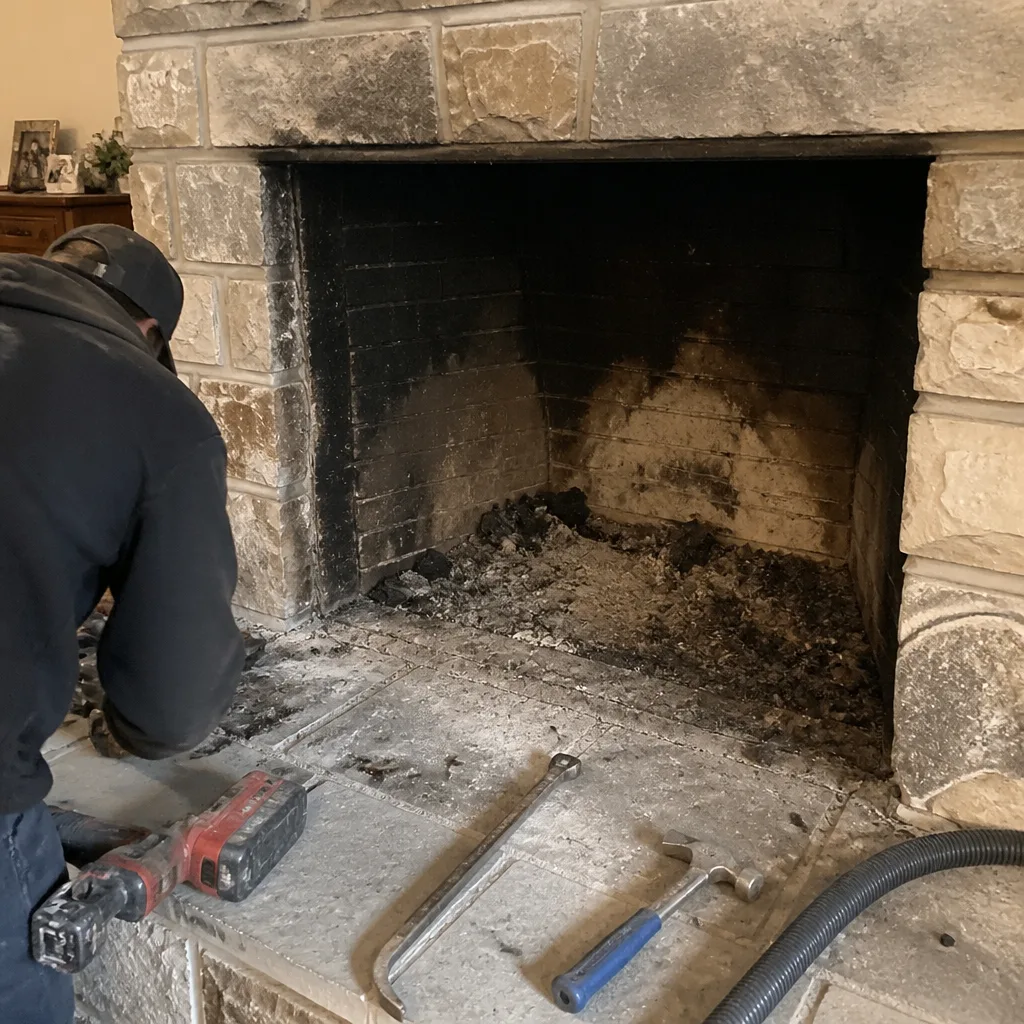
See the difference
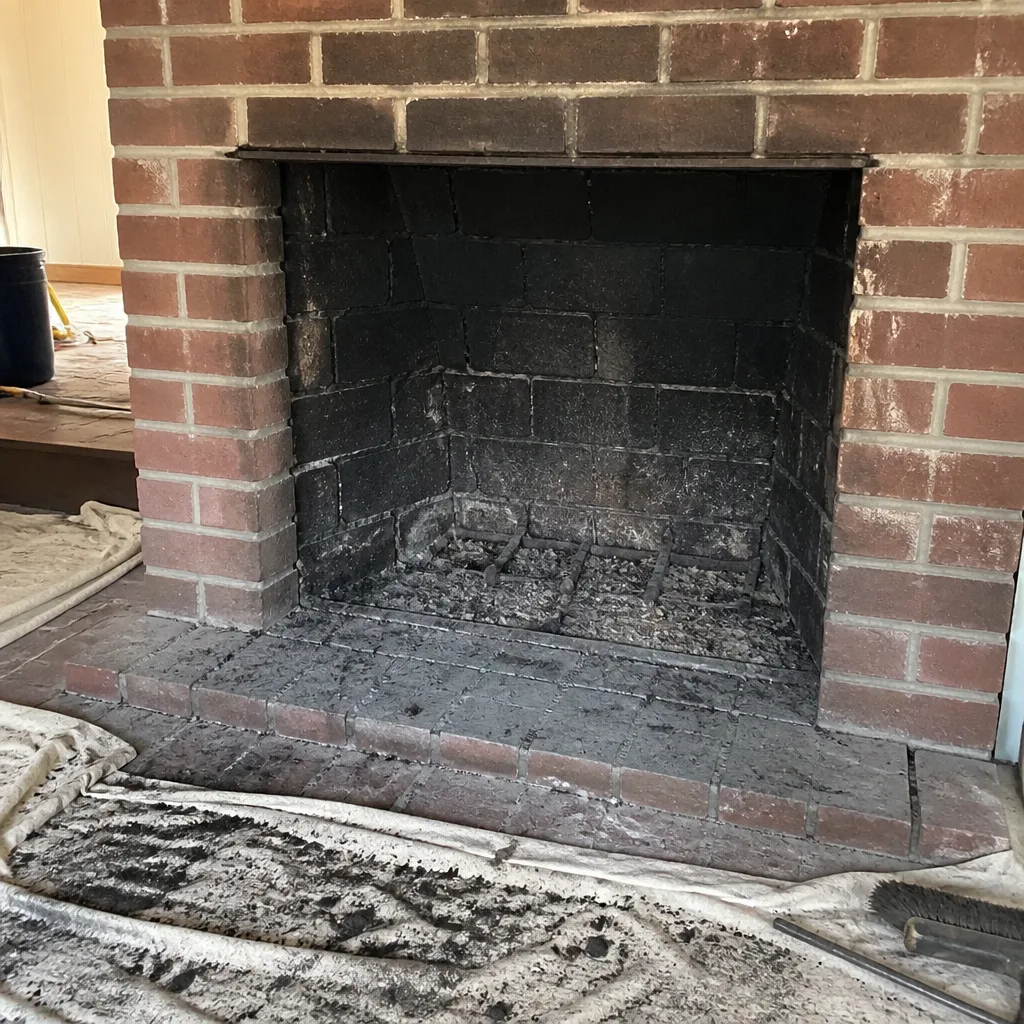 Before
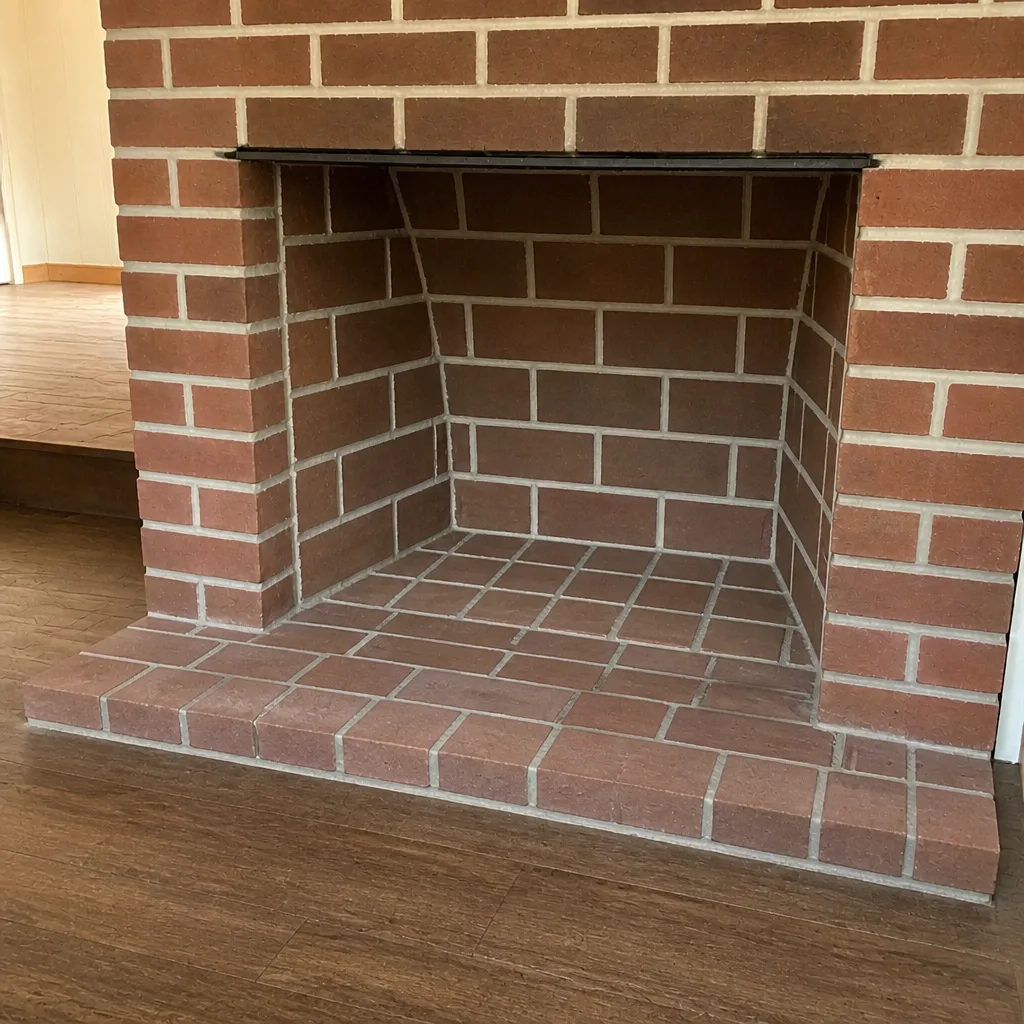 After
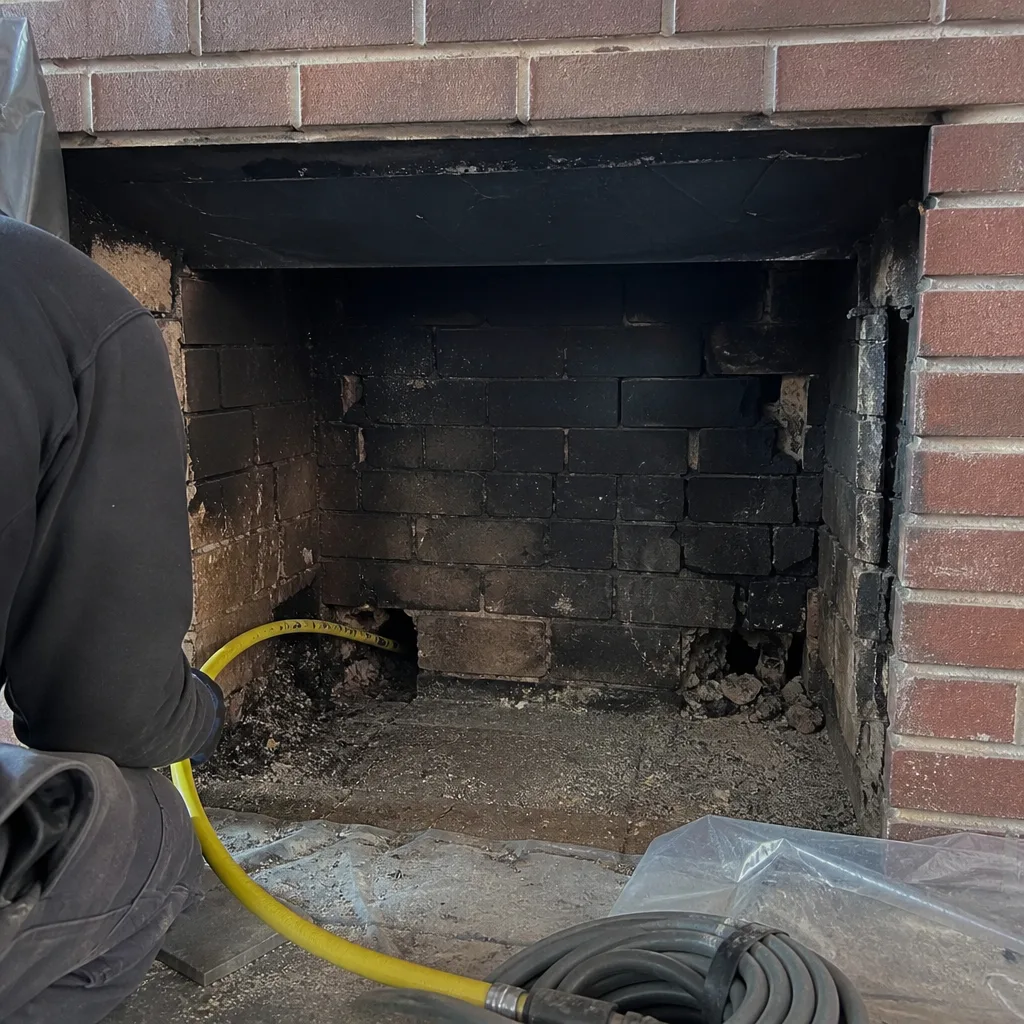 Before
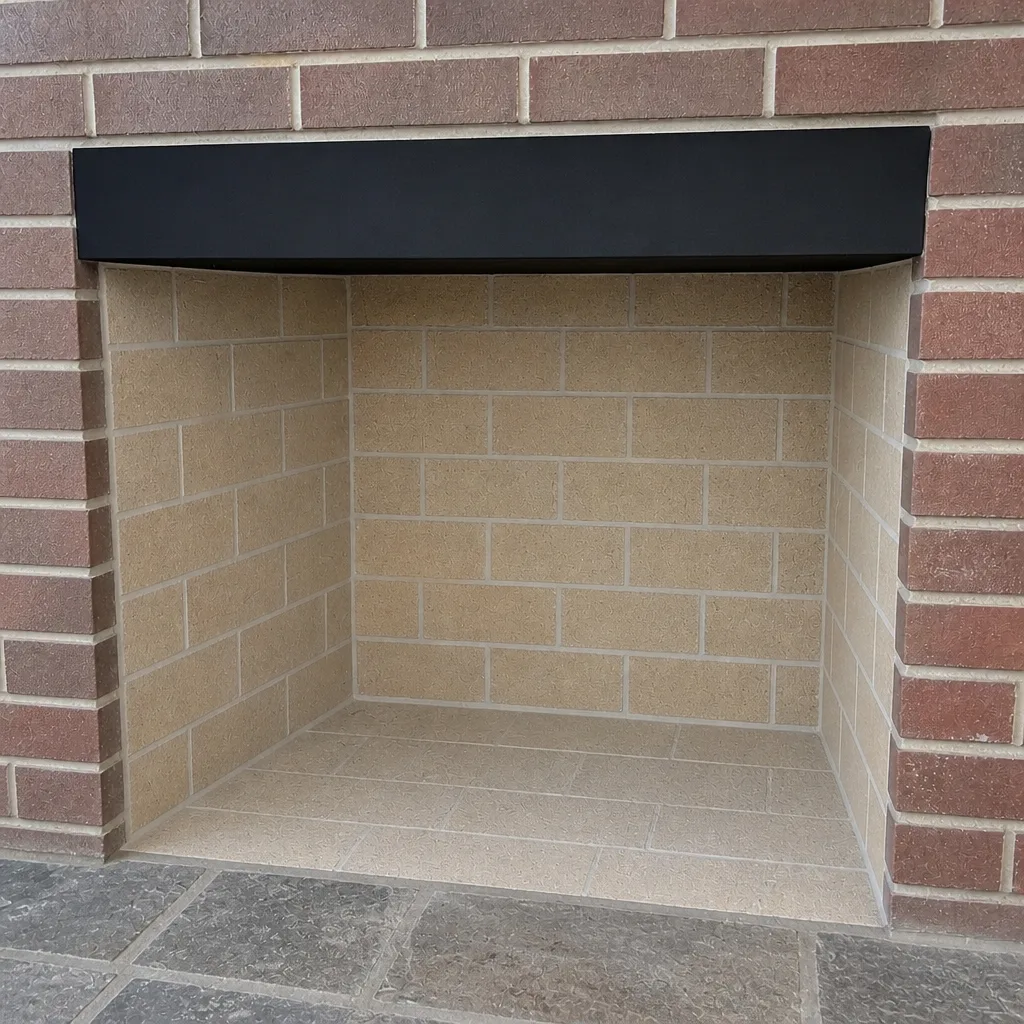 After
 Before
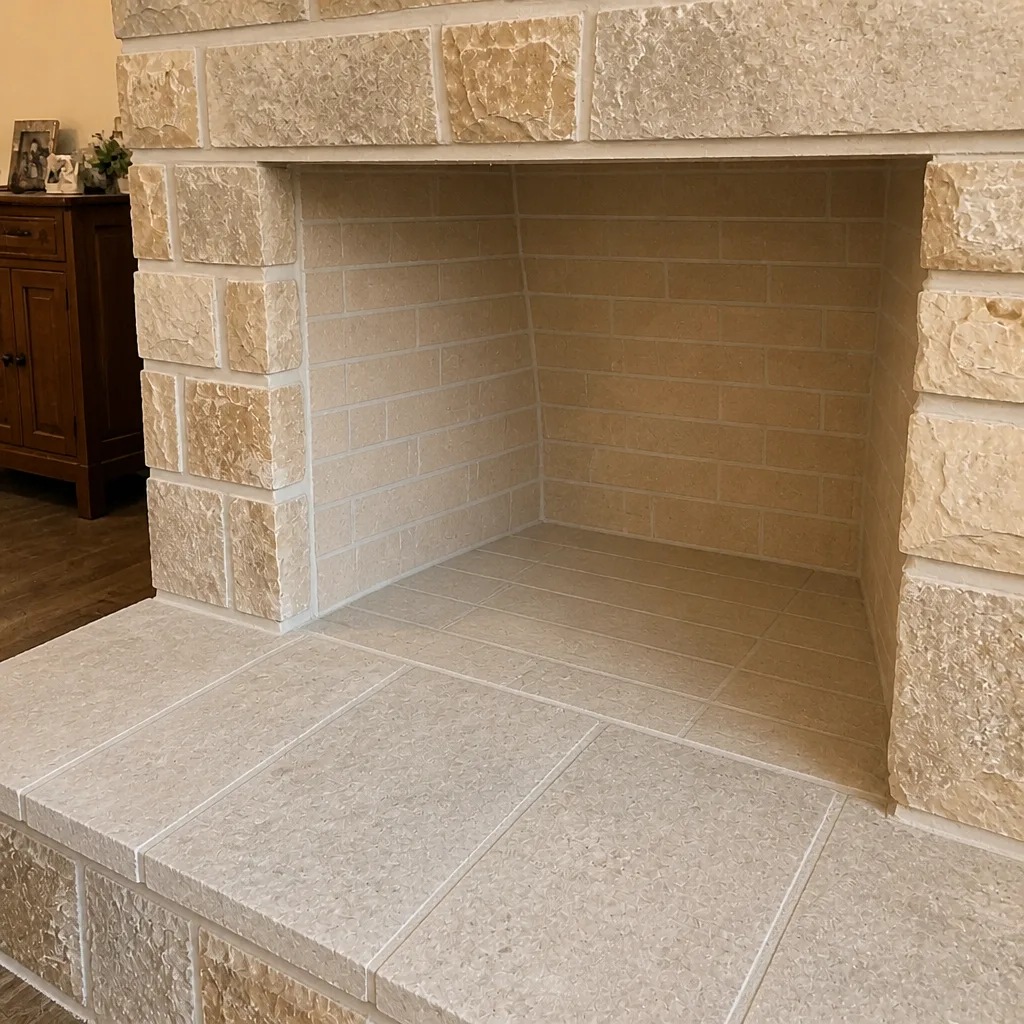 After
Common Mistakes to Avoid
- Treating a smoky smell as normal. A cold fireplace that smells like smoke is telling you something about creosote or the liner. It’s one of the easiest signs to dismiss and one of the most useful to catch early.
- Painting over efflorescence. White staining is a symptom, and paint traps the moisture that caused it. Find the water source before you cover the brick.
- Assuming a hardware-store cap will do. A cap that doesn’t fit the flue properly or rusts through quickly leaves the system open to water and animals. It’s worth installing a professional-grade cap and getting it right once.
- Waiting on a cracked crown through the freeze-thaw season. Water in a hairline crack expands when it freezes and works the crack wider over the winter. A fall inspection catches it before the damage compounds.
- Lighting the fireplace after a roaring sound. If you’re not certain the sound was a chimney fire, don’t light up until a technician has looked at the liner. A damaged liner is dangerous even when the fire looks fine.
- Venting a gas appliance into a wood chimney. A furnace or water heater tied to a flue designed for wood exhaust can push combustion gases into the house. If you smell something chemical, get it checked rather than trying to trace it yourself.
- Skipping the annual visit because the fire “works fine.” Most chimney problems start as small signs that are easy to miss without a look up the flue. The annual sweep is where those get caught.
When to Call a Professional
Call a professional when a sign is new, worsening, or matches Tier 1 or Tier 2 in the triage framework. A roaring or rumbling sound during a burn is a fire department call first. A burning plastic or chemical smell, smoke filling the room and not clearing, visible firebox damage, a smoky smell when the fireplace isn’t lit, water inside the firebox during rain, or new white staining on the exterior are all reasons to get a technician out. If you’re on the fence about a sign, an inspection and camera pass gives you a clear answer. Nothing is recommended without camera evidence you can see for yourself, and we say plainly when a repair can safely wait. Chimney Sweep Torresdale offers free estimates in Torresdale – call (877) 812-1596. We answer 24/7. Fast dispatch from 7am to 7pm, Sunday through Friday.
Frequently Asked Questions
Once a year for most wood-burning fireplaces, and more often if you burn heavily or notice the warning signs in this guide. The annual sweep is also the inspection: it’s where the cap, crown, flashing, liner, and firebox all get looked at together. If you burn several cords a season, a mid-season look is worth it. Call (877) 812-1596 for a free estimate – estimates are free.
Creosote builds up in the flue, and at certain stages it can ignite. Water gets into the system through the crown or cap and works on the masonry through the freeze-thaw cycle. Small cracks widen and small repairs become larger ones. A missed sweep costs less in the short term and more over time, and the safety side is the part that matters most. Call (877) 812-1596 for a free estimate.
Not always. A camera inspection tells you whether the existing liner is intact or has gaps and cracks. If the liner is sound but the firebox or flue tile has damage, HeatShield restoration can often repair it without a full liner replacement. If the liner is compromised, replacing it is what keeps the heat of the fire away from the structure. Nothing is recommended without camera evidence you can see, and we’ll tell you if the repair can safely wait. Call (877) 812-1596 for a free estimate.
Creosote buildup off-gassing through a liner with compromised joints is the most common cause, and draft reversal is the second. A house that’s warmer than the chimney pushes air down the flue, which carries the smoky smell into the room. Either way, it’s worth a sweep and an inspection rather than assuming it’s a quirk. Call (877) 812-1596 for a free estimate – estimates are free.
Usually not. White powdery staining is most often efflorescence, a salt deposit left when water moves through the masonry and evaporates at the surface. It’s evidence of water intrusion, and the source is what needs finding: the crown, the flashing, the cap, or the brick itself. Painting over it traps the moisture. Call (877) 812-1596 for a free estimate.
Sometimes yes, if it’s a hairline crack that isn’t changing. After a freeze-thaw season, a hairline crack in the crown or mortar often isn’t hairline anymore. That’s the argument for a fall inspection: it catches cracks before winter works on them. An inspection tells you plainly whether the repair can safely wait. Call (877) 812-1596 for a free estimate.
The Bottom Line
Chimney problems give you warning, and the warning comes in smells, stains, sounds, and water. The smoke smell when the fireplace isn’t lit, the white bloom on the brick, the new popping during a burn, the musty odor after rain: each points at a specific component, and the triage framework in this guide tells you whether to call now, schedule soon, or mention it at your next visit. The full system matters because one sign rarely stays in one place. A cap or crown that’s let water in for a season is a masonry problem, a firebox problem, and a liner problem waiting to happen. Catching it early is what keeps small repairs from compounding. Our team covers Chimney Sweep Torresdale and the surrounding neighborhoods, and a chimney sweep with a camera inspection starts the conversation with evidence instead of a guess. Call (877) 812-1596 for a free estimate. We answer 24/7. Fast dispatch from 7am to 7pm, Sunday through Friday.
Written by the team at Chimney Sweep Torresdale.