
Last updated November 22, 2026
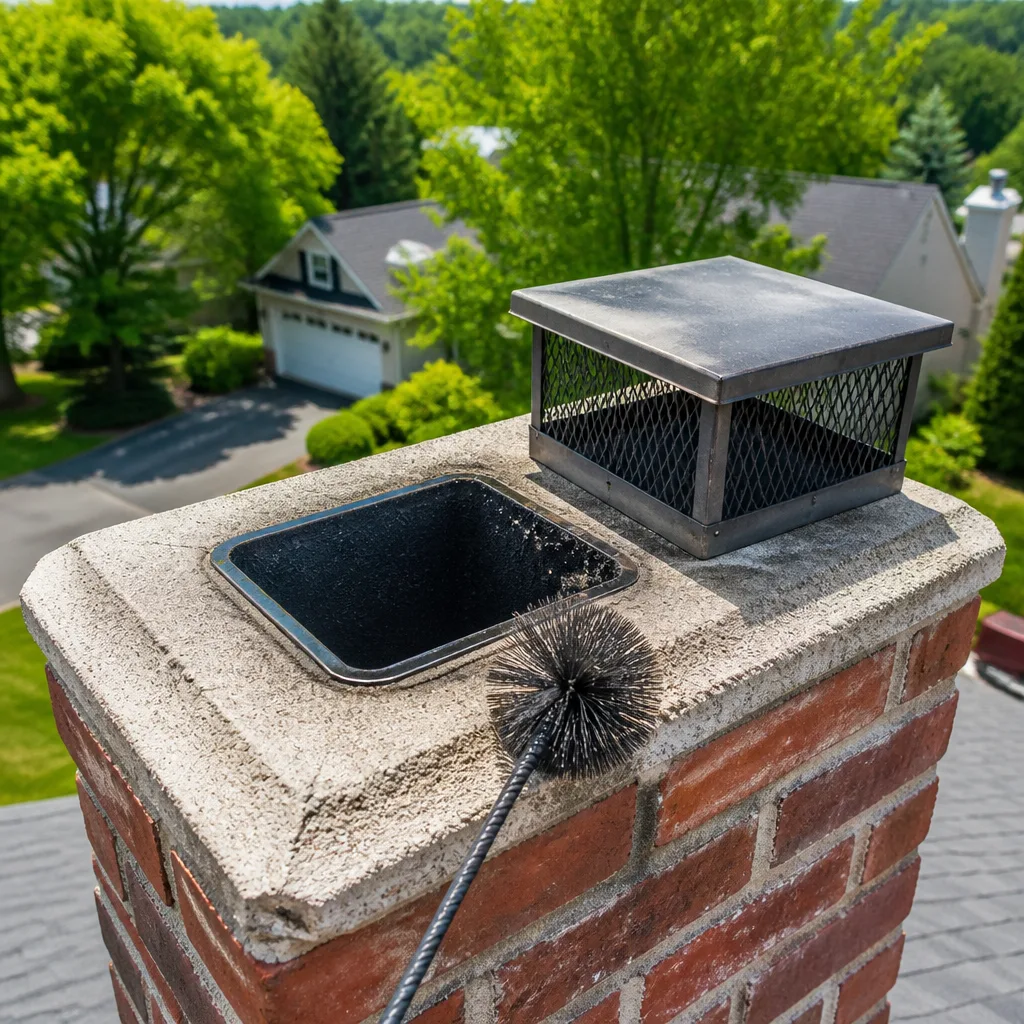 Sweep & inspection
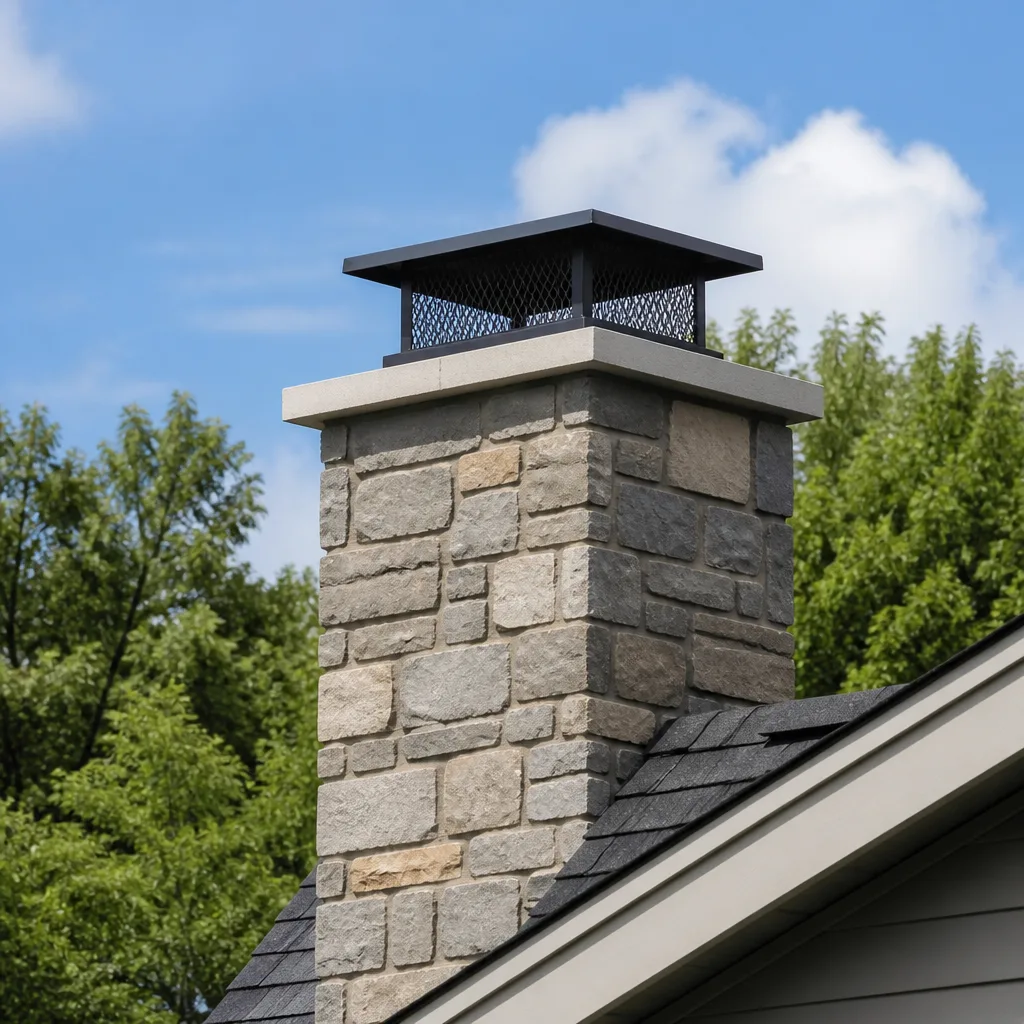 Caps & crowns
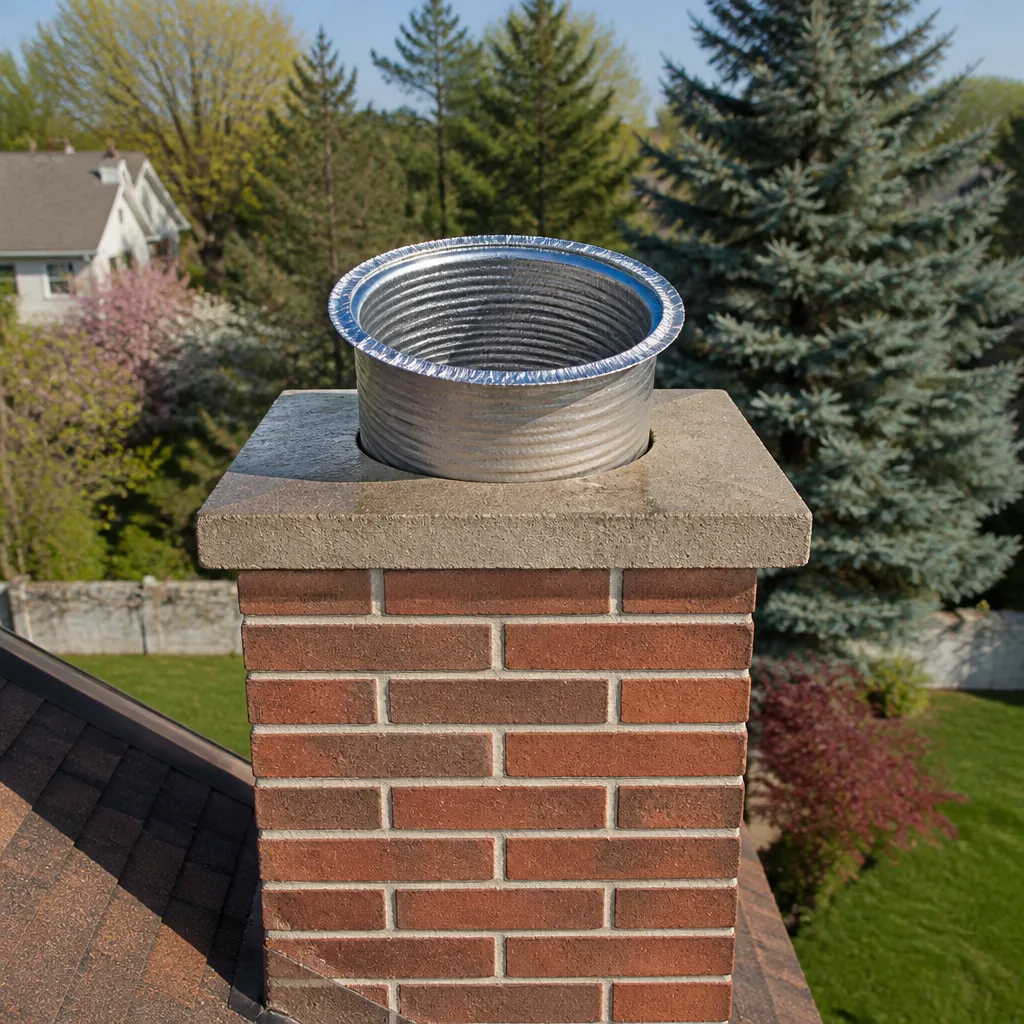 Flue relining
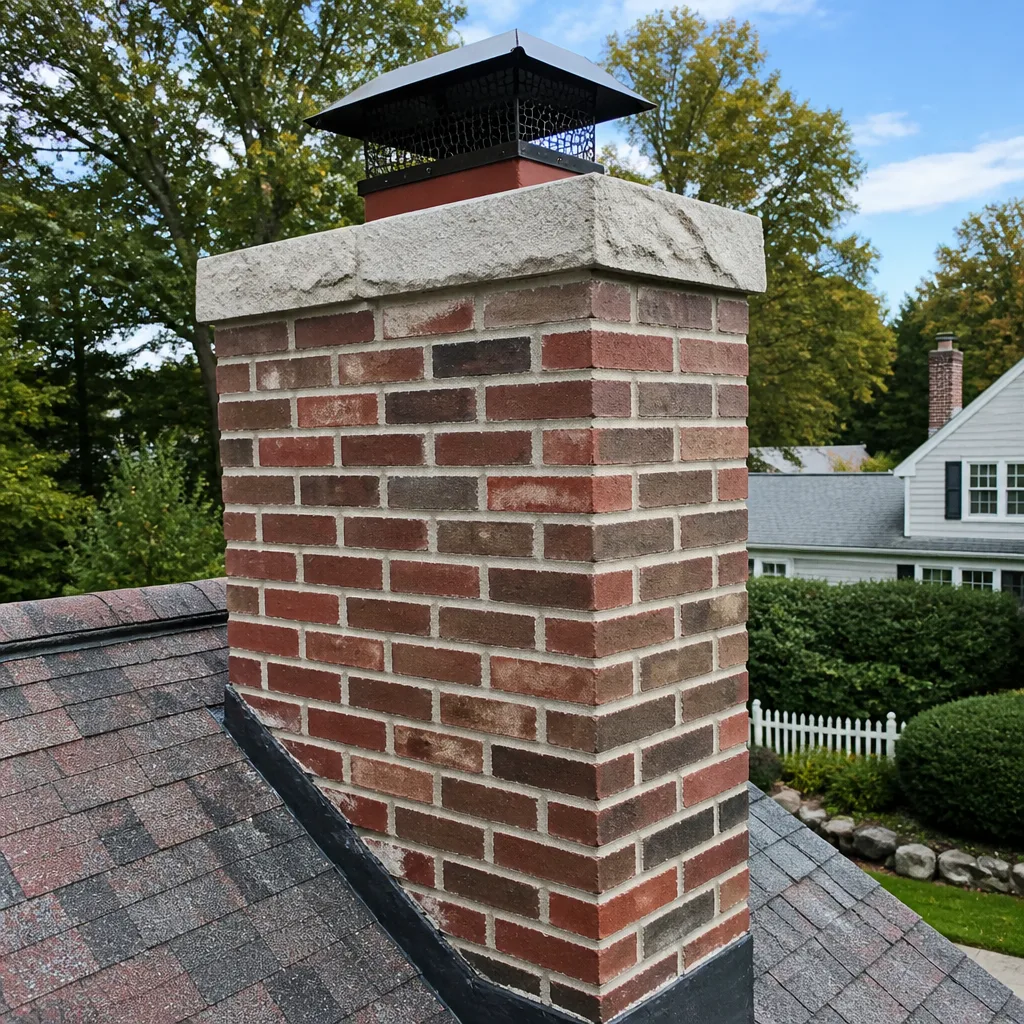 Masonry repair
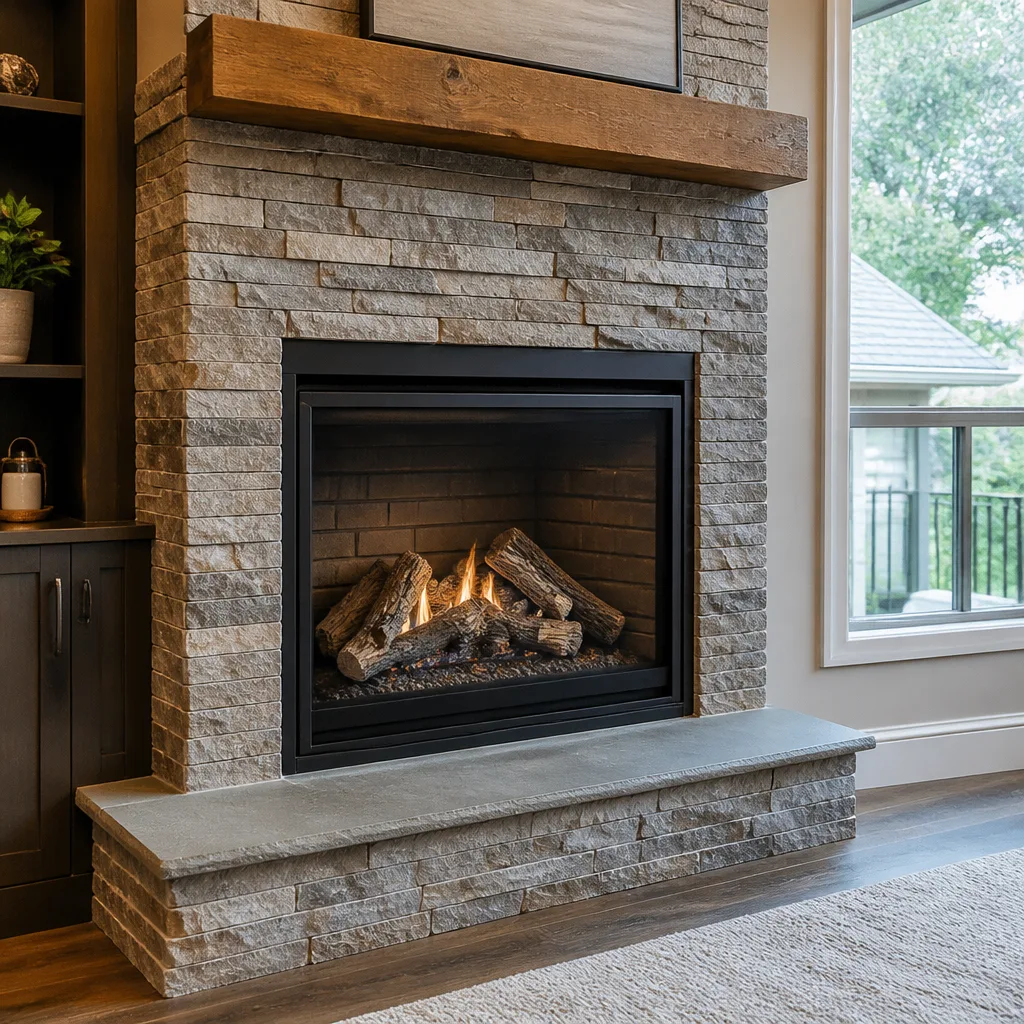 Gas fireplace service
Level 1 sweep and inspection to the NFPA 211 annual standard - flue, crown, cap, and flashing checked and photographed
Chimney sweep logs do not sweep chimneys. They loosen some creosote - which then falls where a brush and vacuum still have to collect it.
Choosing the Right Chimney Cleaning Brand: A Buyer’s Guide for Torresdale
Most homeowners pick a chimney company the same way they pick a plumber or an electrician: they look for a familiar name, assume a national franchise means consistent quality, and book whoever answers first. That approach mostly works in other trades. In chimneys, it doesn’t. There are no dominant national chimney brands the way there are in HVAC or plumbing, so brand recognition tells you almost nothing about who will actually show up at your door in Torresdale. What predicts good work is narrower and more technical: credentials, materials, and whether the company can handle what the inspection finds. This guide gives you a framework for evaluating chimney companies in Torresdale using criteria that actually matter.
Quick Answer
The best chimney cleaning company in Torresdale isn’t the one with the biggest name or the lowest price – it’s the one whose credentials you can verify, whose technicians work on the full system (cap, crown, flue, liner, and firebox), and who can complete any needed repair without handing you off to a second contractor. Look for verifiable CSIA or NFI credentials, professional-grade product lines like DuraFlex or HeatShield, and a service menu that runs from routine sweeping through liner installation and rebuilds. When a company can do all of that under one roof, you’re not just booking a sweep – you’re establishing a relationship with a specialist who already knows your chimney.
Styles & brands we work with
- Sweep & inspection
- Caps & crowns
- Flue relining
- Masonry repair
- Gas fireplace service
Table of Contents
- Why the Chimney Industry Has No National Brands
- Credentials Are the Substitute for Brand Trust
- Sweep Company vs. Full-System Specialist
- Franchise vs. Local Specialist: How to Evaluate Each
- What Torresdale Homeowners Specifically Need to Ask
- Materials That Separate Professionals from Generalists
- The Case for One Contractor From Sweep to Rebuild
- A Step-by-Step Evaluation Process
Why the Chimney Industry Has No National Brands
There’s no national chimney equivalent of a well-known water heater manufacturer or a household-name HVAC brand. The chimney trade is fragmented: most companies operate in one metro area or a handful of towns, and even the franchise networks that do exist are relatively small compared to what you see in other home service trades. That fragmentation has a real consequence for you as a buyer. The cues you’d normally use to shortcut your decision – a name you recognize, a national advertising footprint, a logo you’ve seen on a van in your neighborhood – mostly aren’t available.
What does that mean in practice? It means you’re evaluating a company on the substance of what it does, not on how often you’ve seen its branding. You’re looking at the technician’s credentials, the materials the company installs, the scope of services it offers, and whether it can show you evidence of what’s actually wrong with your chimney. That’s a harder evaluation than picking a nationally known brand. It’s also a more accurate one, because it measures the things that actually determine whether your chimney is safe and whether a repair lasts.
For Torresdale homeowners specifically, this matters because the housing stock here is older. Many homes in Northeast Philadelphia were built with clay tile flue liners and exposed brick chimneys that have been through decades of heating cycles. Those systems have specific vulnerabilities that a company familiar with newer construction might miss. When you can’t lean on brand recognition, you lean on technical knowledge and local familiarity – and those are the exact criteria this guide will help you assess.
Credentials Are the Substitute for Brand Trust
The chimney industry does have a credentialing system that functions as the equivalent of brand trust. Two certifications matter most: CSIA (Chimney Safety Institute of America) and NFI (National Fireplace Institute). A CSIA-certified sweep has passed a written exam and committed to a code of ethics; NFI certification indicates specific training in fireplace and venting systems. These aren’t marketing labels – they reflect real training standards that the industry itself uses to distinguish qualified technicians from someone with a brush and a ladder.
But here’s where most homeowners stop short: they ask “Are you certified?” and accept a yes. That’s not verification. Here’s how to actually verify:
- Ask for the technician’s name and certification number, then look it up directly on the CSIA or NFI website. Both organizations maintain searchable databases of current, active certifications.
- Confirm the certification is current, not expired. Certifications require renewal, and a lapsed certification tells you something about how the company maintains its standards.
- Ask which specific technician will be on-site. A company may hold a certification while sending an uncertified helper to do the actual work.
- Ask what the certification covers. A CSIA-certified sweep is trained in inspection and sweeping; NFI certification involves fireplace and venting knowledge that’s relevant if you have a gas appliance or a specific insert.
Verification takes five minutes online and tells you more than any advertisement can. If a company is cagey about providing a certification number, that’s your answer. A professional who has earned the credential will hand it over without hesitation. When we send technicians to a Torresdale home, we expect you to ask – and we expect the answer to hold up. Our technicians have up to 8 years of experience, and the credentials behind that experience are something you should be able to confirm yourself.
Sweep Company vs. Full-System Specialist
The distinction between a chimney sweep company and a full-system chimney specialist is the single most important one in this guide, and it’s the one most homeowners never think to make. A sweep company cleans flues. That’s a real and necessary service, but it’s one part of a larger system. A full-system specialist handles the entire heat-exhaust pathway: the cap and crown at the top, the flue and liner in the middle, the firebox and damper at the bottom, and the fireplace unit itself.
Why does the distinction matter? Because cleaning is the routine part. The expensive, consequential part comes when the inspection during a sweep finds something – a cracked flue tile, a deteriorated crown, a firebox with damaged mortar joints. At that moment, the company you chose determines what happens next:
- With a sweep-only company: they finish the cleaning, hand you a report, and tell you to find a chimney repair contractor. You start the evaluation process over again, with a new company that has no history with your chimney and no incentive to align with the first company’s findings.
- With a full-system specialist: the same company that found the problem can diagnose it fully, explain your options, and complete the repair – whether that’s a crown rebuild, a liner installation, or firebox restoration. There’s no handoff, no gap in accountability, and no second opinion needed to reconcile two sets of findings.
For a Torresdale homeowner with an older chimney, the odds that a sweep turns up something beyond routine soot are meaningful. Clay tile liners from mid-century construction commonly develop cracks over decades of heating and cooling. Exposed brick chimneys without proper crown protection take on water. Choosing a full-system specialist from the start means you’re not scrambling to find one after the fact. One company from sweep to rebuild is a simpler, more accountable arrangement – and it’s the arrangement we’ve built our service around.
Franchise vs. Local Specialist: How to Evaluate Each
National franchise chimney companies are not inherently better or worse than local specialists. Each model has structural strengths and structural risks, and knowing them helps you ask the right questions. The mistake is assuming that a franchise logo guarantees consistency or that a local company automatically means better accountability. Neither is true by default.
Franchise model: Franchises standardize process. They typically have a defined inspection protocol, standardized reporting, and consistent pricing structures across locations. That’s genuinely useful if you value predictability. The risk is subcontracting: some franchise locations rely on independent contractors to perform the actual work, which means the training and quality of the technician in your home may vary from what the franchise’s marketing promises. Ask directly whether the technician coming to your Torresdale home is a direct employee of the local franchise or a subcontractor, and how that person was trained.
Local specialist model: Local companies have direct accountability – the person whose reputation is on the line is often the same person you can reach if something goes wrong. The risk is variable training. A local company’s quality depends entirely on the standards it sets for itself, which is why credential verification and material choices matter so much. A local specialist that holds current CSIA credentials, installs professional-grade products, and offers the full range of chimney services is a strong choice. A local company without those things is a gamble, no matter how personable the owner is.
For either model, the evaluation criteria are the same: verify credentials, ask about materials, confirm the scope of services, and find out who actually performs the work. The model tells you how the business is structured; the criteria tell you whether the work will be done right.
What Torresdale Homeowners Specifically Need to Ask
Torresdale’s housing stock shapes what a chimney company needs to know. Many homes here were built in the mid-twentieth century or earlier, which means two things are common: clay tile flue liners and exposed brick chimney exteriors. Both have specific vulnerabilities that a company unfamiliar with older Northeast Philadelphia construction might not anticipate. When you’re evaluating a chimney company in Torresdale, ask questions that surface whether they’ve actually worked on systems like yours.
Ask about clay liner experience specifically. Older clay tile liners crack with thermal cycling, and the cracks aren’t always visible from the firebox. A company that knows these systems will tell you how they inspect the full liner – typically with a camera – and what they do when they find deterioration. Ask whether they can restore a damaged flue rather than only replace it; HeatShield resurfacing is a restoration option that can extend the life of a clay liner without a full rebuild, and a company that offers it has more options to give you than one that doesn’t. Ask about cap and crown work, because exposed brick chimneys in this climate take on water at the crown, and a failing crown is one of the most common sources of larger masonry damage.
Climate matters here too. Torresdale sees real freeze-thaw cycles through the winter, and water that gets into brick or mortar and then freezes does cumulative damage. A company that treats cap and crown maintenance as preventive work – not just reactive repair – understands how chimneys in this region actually fail. That preventive angle is worth asking about directly: does the company inspect the crown during a routine sweep, and will they tell you when a crown repair can reasonably wait versus when it shouldn’t?
Materials That Separate Professionals from Generalists
The materials a chimney company installs are one of the clearest signals of how it operates. Professional chimney work uses product lines that are specified by certified technicians and supplied through wholesale channels – not the hardware-store equivalents that look similar but fail faster. You don’t need to become an expert in chimney products to use this as an evaluation criterion, but you do need to know which names indicate professional-grade work.
- DuraFlex – flexible stainless steel liner systems, specified by industry professionals for durability and code compliance. If a company installs DuraFlex liners, it’s working with a product line the trade recognizes.
- HeatShield – a proprietary firebox and flue restoration system that can repair damaged clay liners and fireboxes without full demolition. A company authorized to apply HeatShield has a restoration option that sweep-only competitors simply don’t.
- Gelco, Famco, and Olympia Chimney – professional-grade cap and cover products. These are not the stamped metal caps sold at retail; they’re fabricated components designed to protect the chimney for the long term.
- Copperfield – wholesale-grade chimney supplies not available through consumer retail channels.
Ask any company you’re evaluating what products they install and why. A specialist will answer specifically – naming liner systems, restoration methods, and cap manufacturers – because those choices reflect deliberate decisions about what holds up. A generalist will give you a vague answer about “quality materials,” which usually means whatever was available. Specificity is the signal. When we install a DuraFlex liner or apply a HeatShield restoration in a Torresdale home, it’s because those are the materials the trade specifies, not because they were convenient.
The Case for One Contractor From Sweep to Rebuild
The right chimney company for a Torresdale home isn’t just the best sweeper. It’s the company that can handle whatever the inspection finds without handing you off to a second contractor. That sounds like a convenience argument, but it’s really an accountability argument. When one company sweeps, inspects, diagnoses, and repairs, there’s a single chain of responsibility from the first visit to the last. When two or three companies are involved, that chain breaks at every handoff.
Consider how a typical multi-contractor scenario plays out. Company A sweeps and reports a cracked liner. Company B comes out, quotes a liner installation, and during the installation finds a crown problem. Company C handles the crown. Each company’s work is now dependent on the others’, and if something fails a year later, no single party owns the outcome. Compare that to a full-system specialist: the same company assesses the cap, crown, flue, liner, and firebox on the first visit, presents a complete picture, and completes whatever work is needed. If a problem emerges later, there’s one number to call and one company that already knows the history of your chimney.
For older Torresdale homes, this consolidation matters more than it might elsewhere. Older systems tend to have multiple small issues rather than one big one – a slightly deteriorated crown here, a hairline liner crack there, mortar joints in the firebox that need repointing. A full-system specialist sees those together and can prioritize them, telling you what needs attention now and what can safely wait. A sweep-only company sees the soot and reports what it can’t fix. That’s the difference between a maintenance relationship and a series of disconnected service calls.
A Step-by-Step Evaluation Process
Here’s how to put all of this into practice when you’re choosing a chimney company in Torresdale. Work through these steps in order; each one narrows the field.
- Confirm the company’s service scope. Ask directly: do you handle sweeping, cap and crown work, liner installation, firebox restoration, and rebuilds? If the answer stops at sweeping, you’ve found a sweep company, not a specialist. That’s fine if all you need is a cleaning – but you won’t know that until after the inspection.
- Verify credentials. Get the technician’s CSIA or NFI certification number and look it up on the organization’s website. Confirm it’s current. Ask whether the certified technician will be the one performing the work.
- Ask about materials. Get specific product names for liners, restoration systems, and caps. DuraFlex, HeatShield, and professional-grade cap lines are the markers of a company working with trade-standard materials. Vague answers are a red flag.
- Ask who performs the work. Whether franchise or local, find out if the technician is a direct employee or a subcontractor, and what training they’ve had. Accountability depends on knowing who’s actually in your home.
- Ask how they inspect. A proper inspection involves a camera view of the flue, not just a look up from the firebox. Ask whether they use a camera and whether you’ll see the footage. Anything recommended should be backed by evidence you can see for yourself.
- Ask what can wait. A trustworthy company will tell you when a repair can safely be deferred and when it can’t. If everything on the report is urgent, get a second opinion.
This process takes a few phone calls and maybe twenty minutes of your time. It will separate the companies that do real chimney work from the ones that do cleaning and outsource everything else. For a Torresdale homeowner, that’s time well spent – the chimney is one of the few systems in your home where a missed problem has consequences beyond the chimney itself. Call (877) 812-1596 if you’d like to walk through these questions with us directly. We answer 24/7, with fast dispatch from 7am to 7pm, Sunday through Friday.
Common Mistakes to Avoid
- Choosing on price alone. A low sweep price often means a sweep-only company that will find nothing it can fix. The cost of the sweep is trivial compared to the cost of the repair you’ll have to coordinate separately. Evaluate on capability, not on the cleaning fee.
- Accepting certification claims without verification. “We’re certified” means nothing until you’ve looked up the number. A five-minute check on the CSIA or NFI website tells you whether the credential is real and current, and whether the person coming to your home actually holds it.
- Assuming a franchise guarantees quality. Franchise standards describe a process, not the person doing the work. Some franchise locations subcontract, which means the technician in your Torresdale home may have no direct relationship with the brand you called.
- Skipping the camera inspection. A sweep that doesn’t include a camera view of the flue can’t tell you the condition of your liner. In older Torresdale homes with clay tile liners, that’s exactly the information you need. Ask for the footage.
- Accepting a rebuild quote without a restoration option. If a company tells you the only fix for a damaged firebox or flue is demolition and rebuild, ask whether HeatShield restoration has been considered. A company that doesn’t offer it may not know about it – or may prefer the larger job.
- Ignoring the crown because the firebox looks fine. Most chimney damage starts at the top, where water gets in. A company that only looks up from the firebox is missing the part of the system that fails first in this climate.
- Hiring a company you can’t reach after the work is done. Chimney repairs are long-term investments. Make sure the company that does the work is the company you’ll be able to call if something needs attention later, not a subcontractor who’s already moved on.
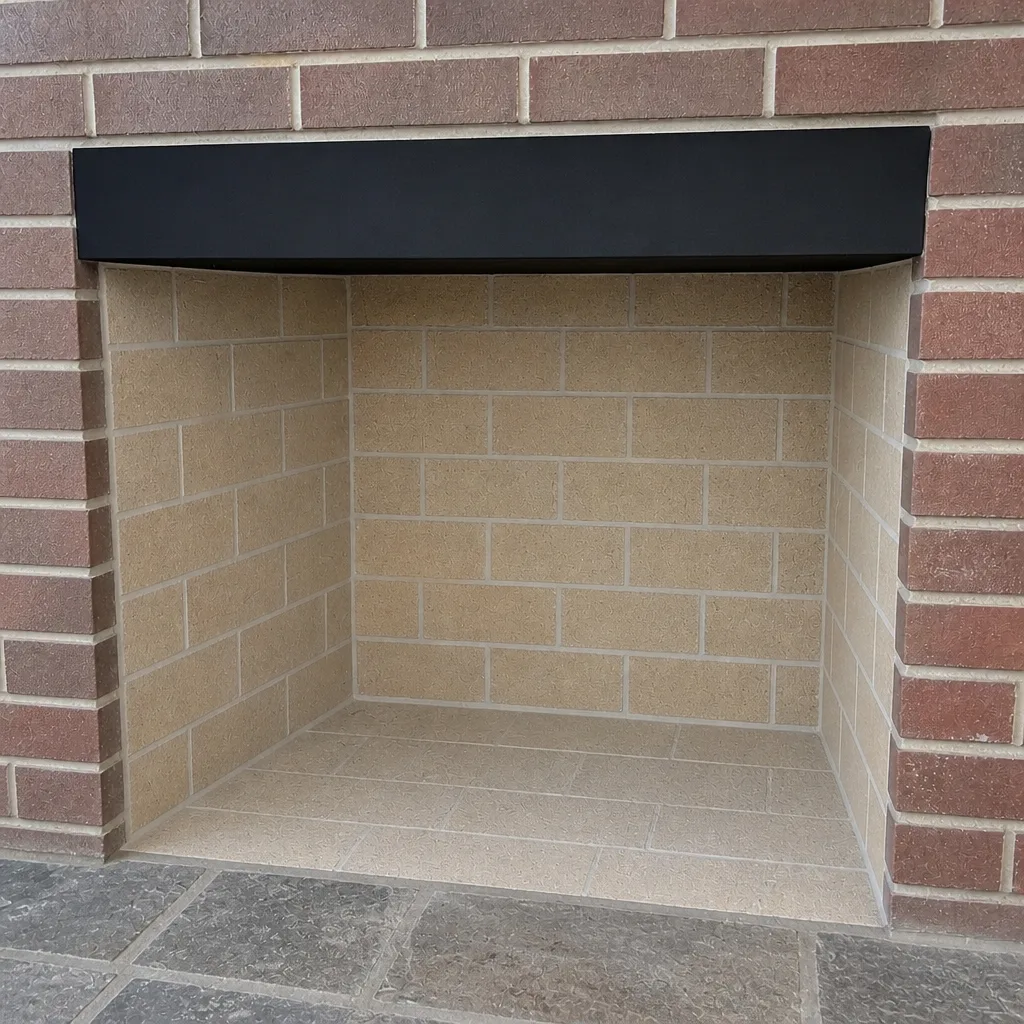
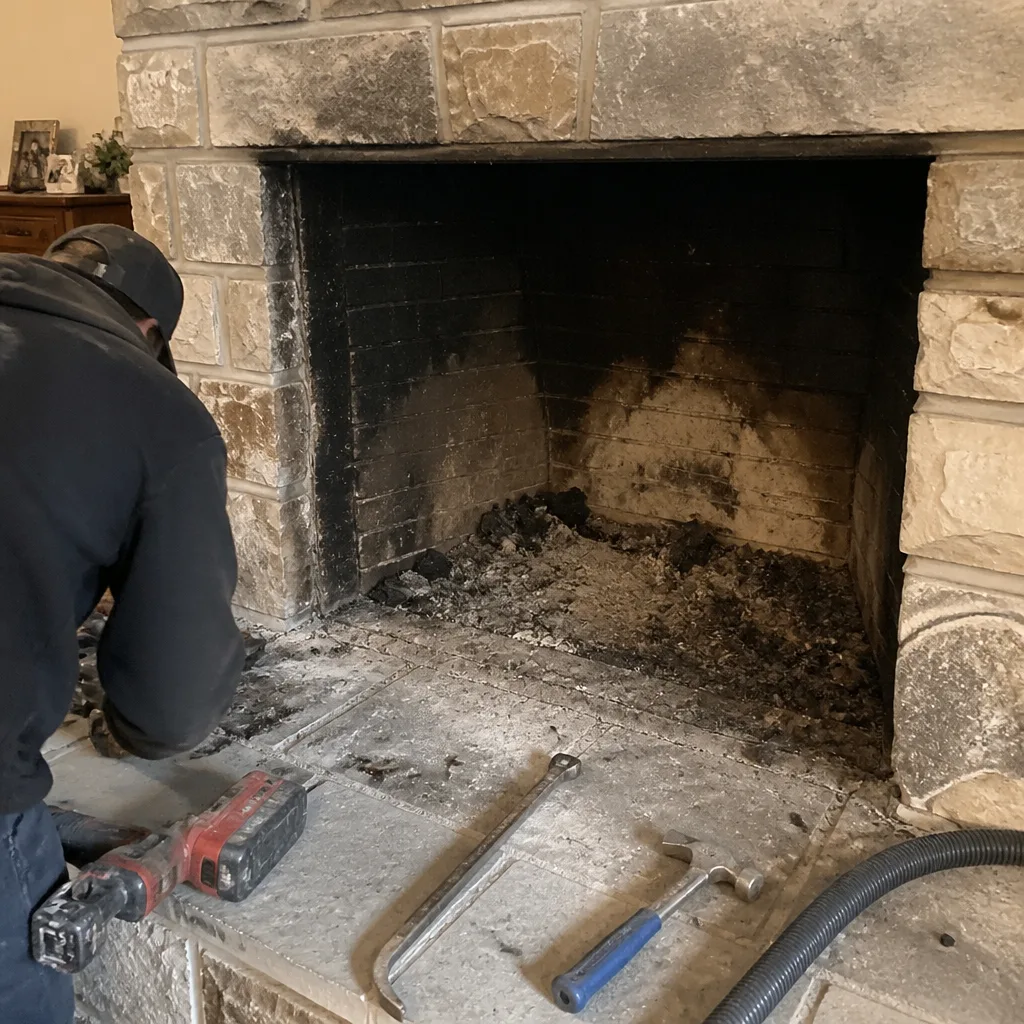
See the difference
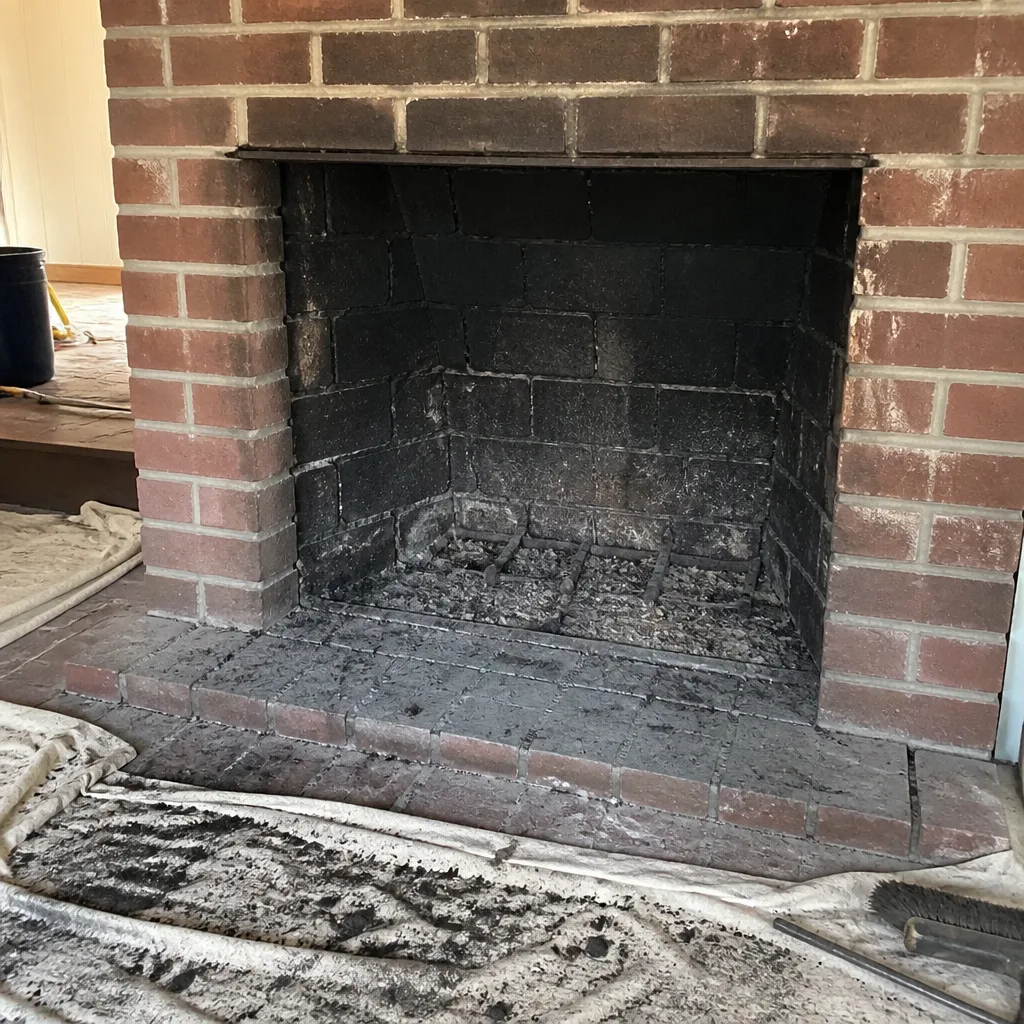 Before
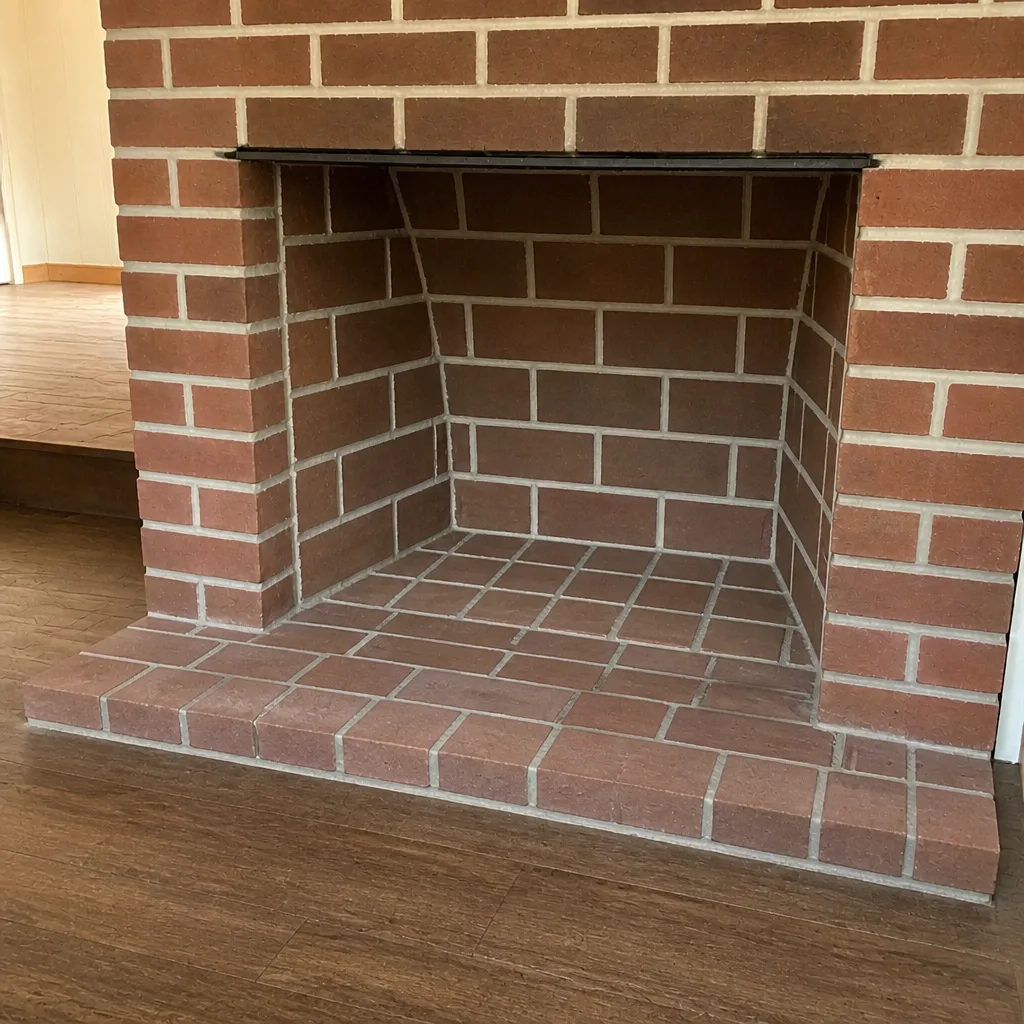 After
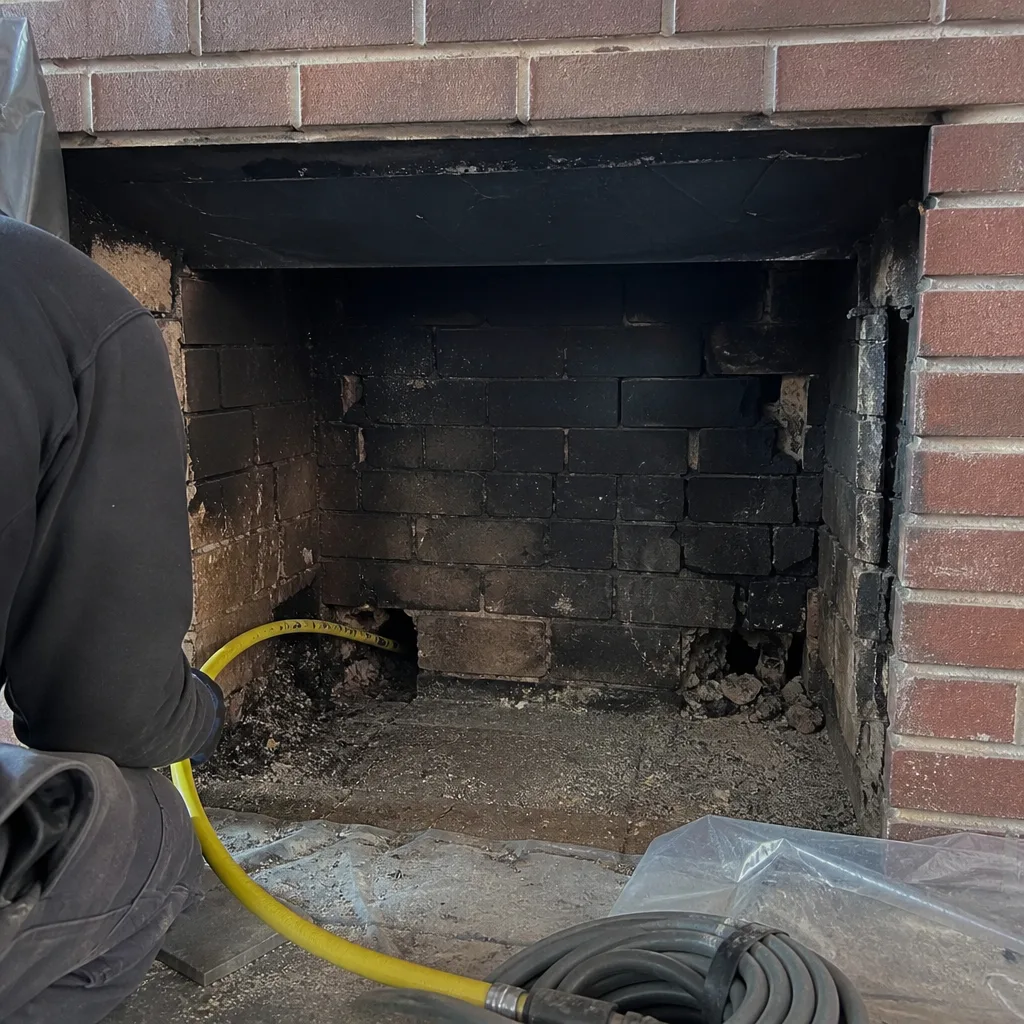 Before
 After
 Before
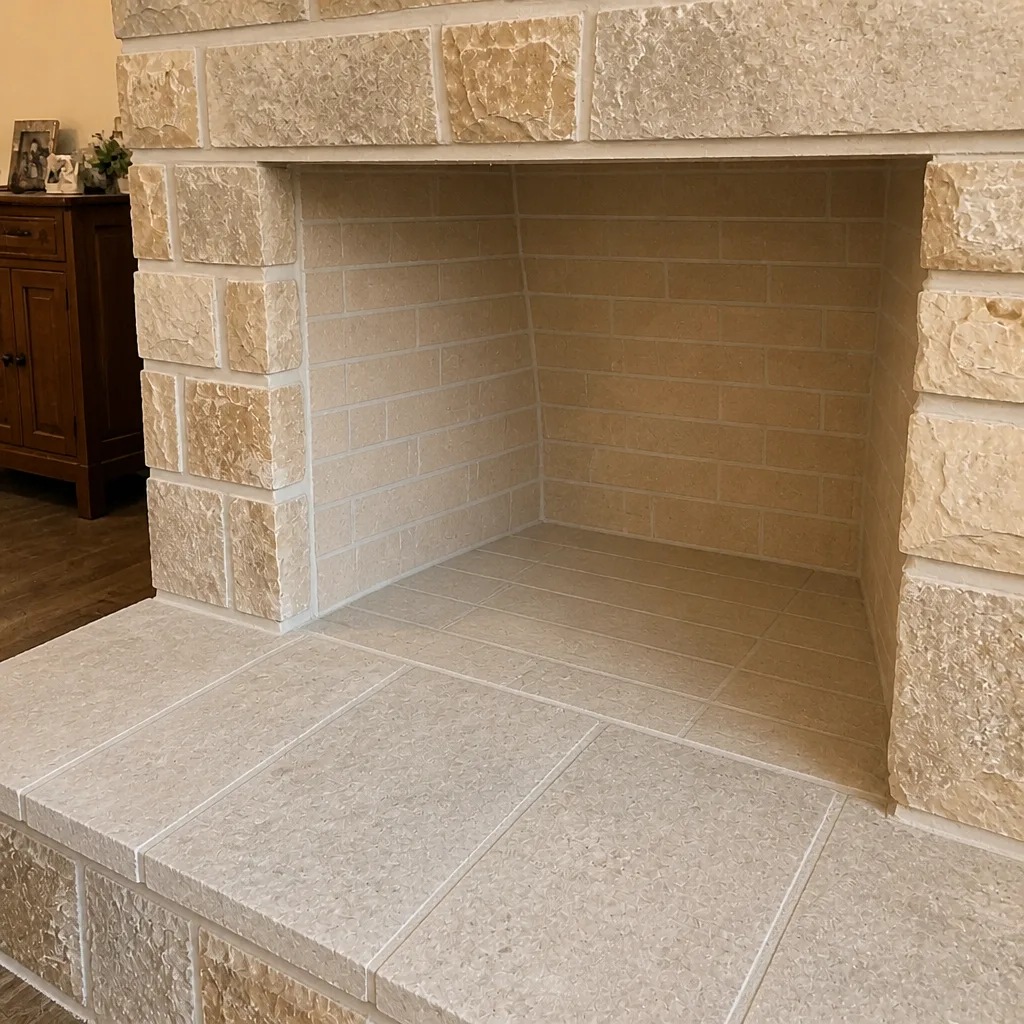 After
When to Call a Professional
Some chimney problems announce themselves; others don’t. Call a professional if you notice smoke rolling back into the room when the fireplace is lit, a strong creosote smell that persists when the fireplace is cold, visible cracks or crumbling mortar in the firebox, water staining on the chimney exterior or ceiling near it, or a cap that’s visibly damaged or missing. Any of these suggests a condition that needs assessment beyond a routine sweep. You should also call if it’s been more than a year since the last inspection – annual inspection is the baseline for keeping a chimney system safe, especially in older Torresdale homes where liner deterioration happens gradually and quietly.
If a sweep or inspection turns up a problem, the company you choose determines how smoothly the repair goes. Chimney Sweep Torresdale offers free estimates in Torresdale – call (877) 812-1596 to schedule one. You’ll get a camera inspection with a photo report, and any recommendation will come with evidence you can see yourself.
Frequently Asked Questions
Ask for the technician’s CSIA or NFI certification number, then look it up directly on the certifying organization’s website. Both maintain searchable databases of current credentials. Confirm the certification is active and that the certified technician will be the one performing the work in your home. If a company won’t provide a number, treat that as a disqualifier. Call (877) 812-1596 if you’d like to ask us about our credentials directly.
Neither is inherently better. Franchises standardize process but sometimes rely on subcontractors, which makes the technician’s training harder to verify. Local specialists offer direct accountability but vary in training and standards. Evaluate both the same way: verify credentials, ask about materials, confirm the service scope, and find out who actually performs the work.
A sweep cleans the flue; a full-system specialist handles the cap, crown, flue, liner, firebox, and fireplace unit together. The difference matters when an inspection finds a problem, because a specialist can complete the repair without handing you to a second contractor. For older Torresdale homes where multiple small issues are common, that consolidation saves time and keeps accountability in one place. Call (877) 812-1596 to schedule an inspection.
The trade is fragmented into small regional companies, so the brand-recognition shortcuts that work in HVAC or plumbing don’t apply. That’s why credentials – CSIA and NFI – function as the industry’s substitute for brand trust. Verifying a certification number tells you more about a company than recognizing its logo ever could.
Professional-grade lines: DuraFlex for flexible liner systems, HeatShield for firebox and flue restoration, and Gelco, Famco, or Olympia Chimney for caps and covers. Copperfield supplies are wholesale-grade and not sold at retail. If a company can’t name the products it installs, it’s likely using whatever was available rather than what the trade specifies.
Ask to see the camera footage of your flue. Any recommendation should be backed by evidence you can view yourself, and a trustworthy company will tell you plainly when work can safely wait. If everything on the report is urgent and you haven’t seen the evidence, get a second opinion. Call (877) 812-1596 for a free estimate with a photo report.
The Bottom Line
Choosing a chimney company in Torresdale comes down to replacing the brand shortcuts you’d use in other trades with criteria that actually predict quality. Verify credentials directly rather than accepting claims. Ask what materials the company installs and expect specific names. Confirm the service scope goes beyond sweeping, because the inspection is where the real decisions get made. And look for a company that can complete whatever the inspection finds without a handoff to a second contractor. That combination – verified credentials, professional materials, full-system capability, and single-company accountability – is the framework that works when there’s no national brand to lean on.
Ready to put these criteria to work? Call (877) 812-1596 for a free estimate. We install DuraFlex liners, apply HeatShield restoration, and handle everything from a routine chimney sweep through chimney cap & crown work, chimney repair, and full rebuilds. One company, the full system, and evidence you can see before any work begins.
Written by the team at Chimney Sweep Torresdale.