
Last updated November 22, 2026
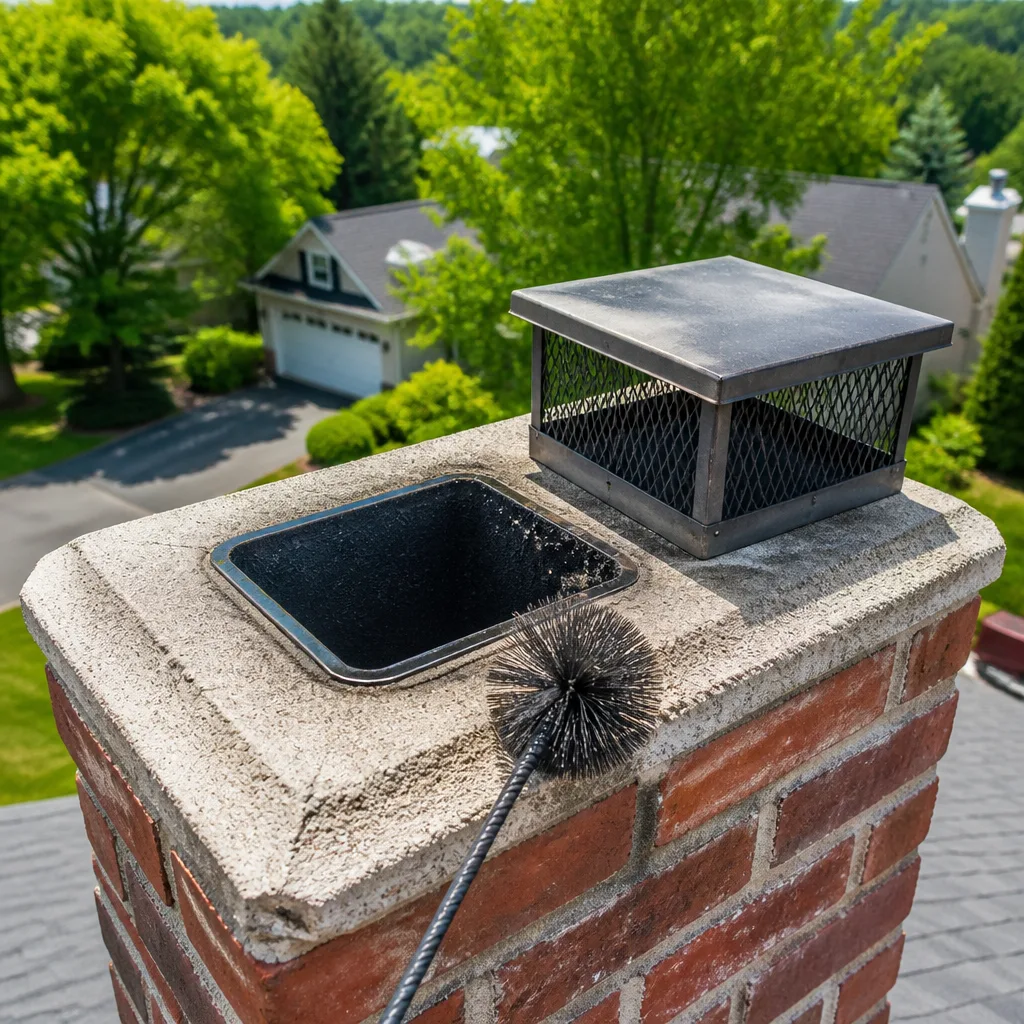 Sweep & inspection
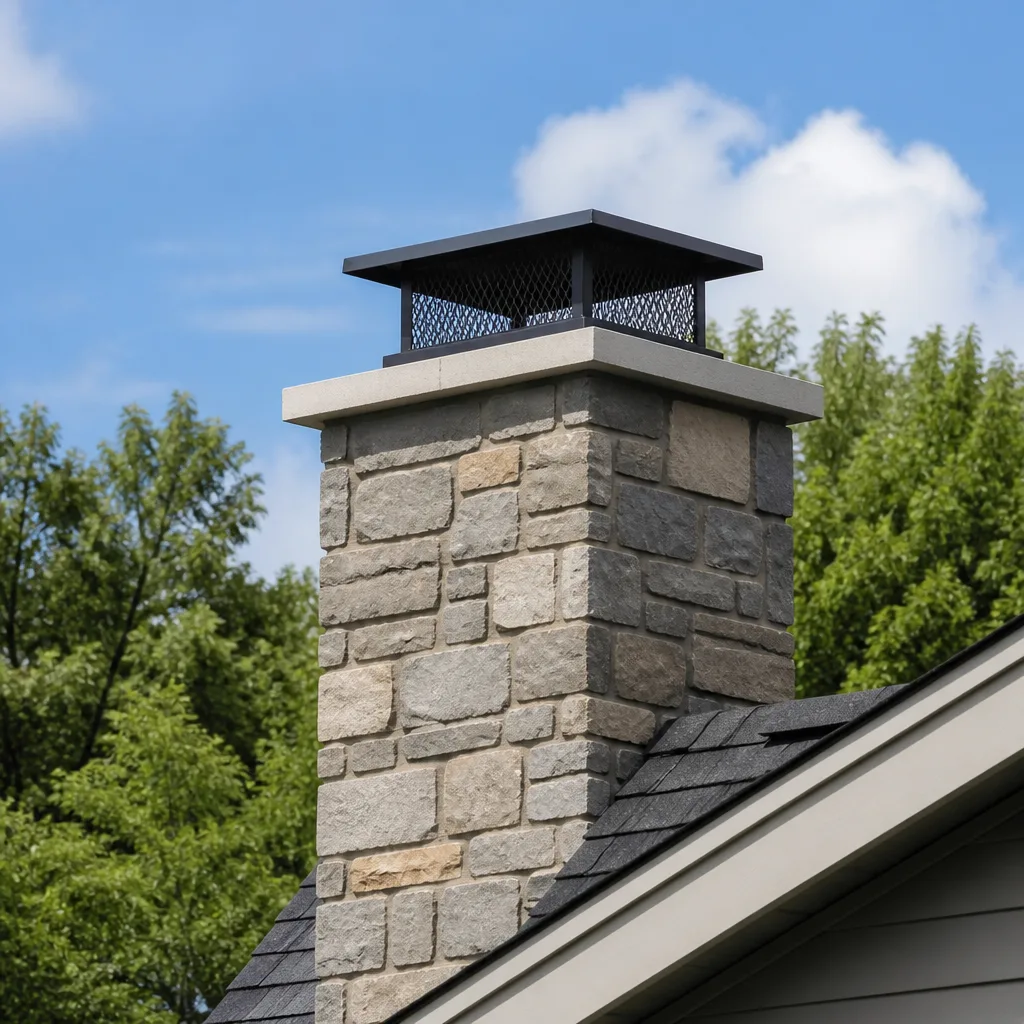 Caps & crowns
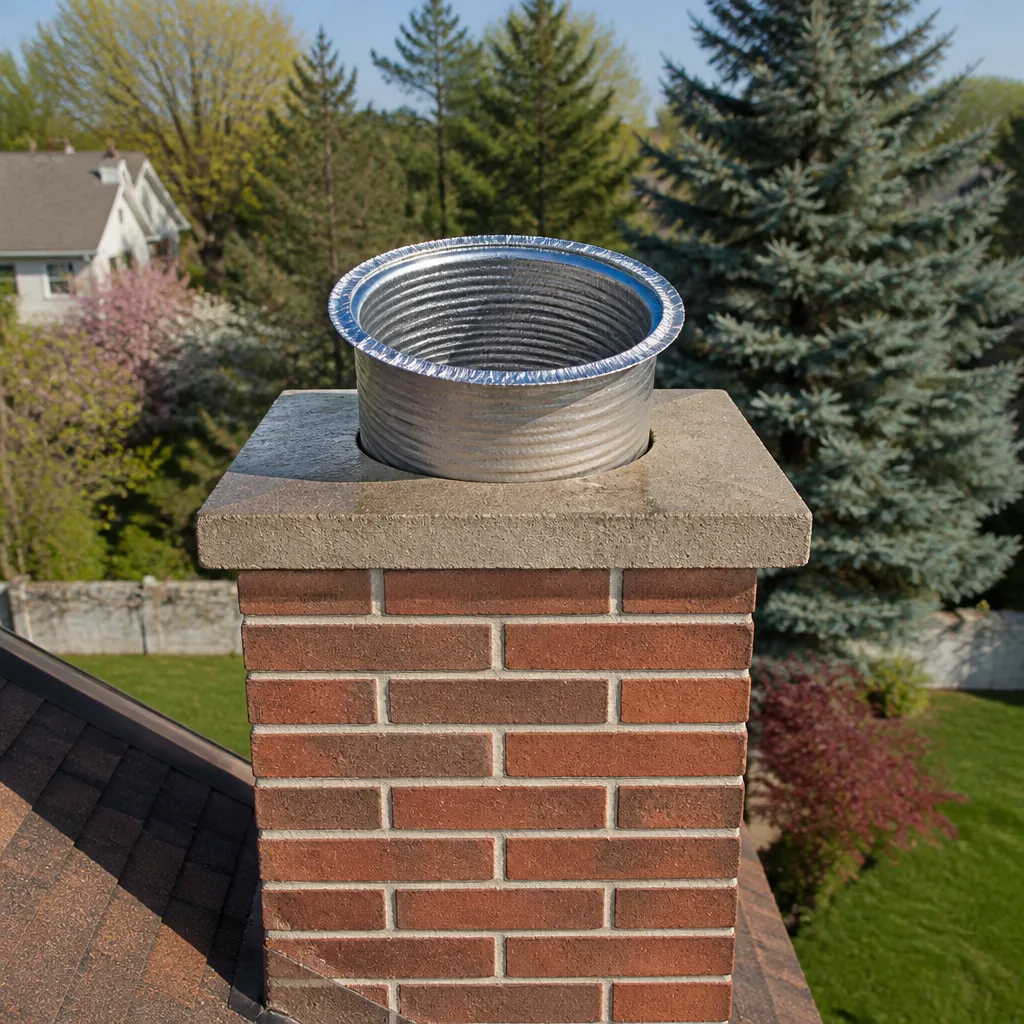 Flue relining
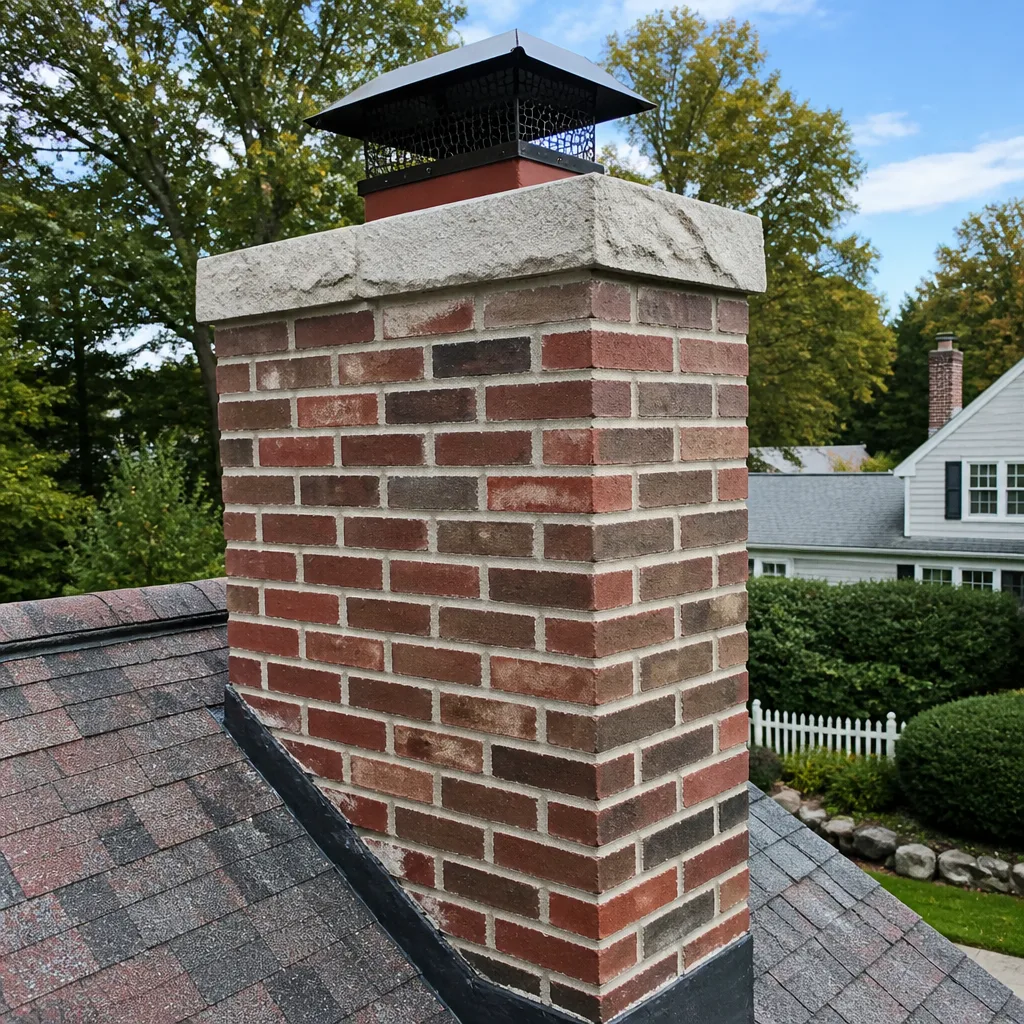 Masonry repair
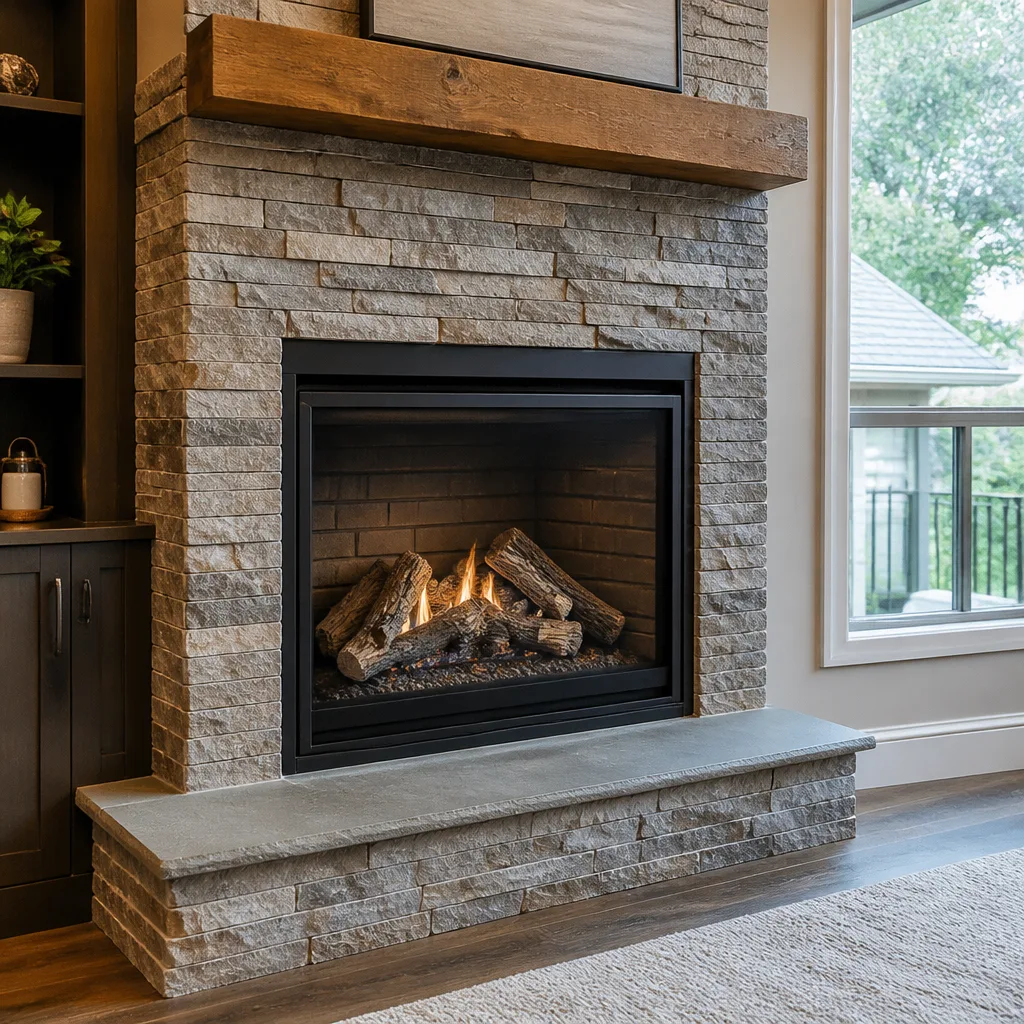 Gas fireplace service
Level 1 sweep and inspection to the NFPA 211 annual standard - flue, crown, cap, and flashing checked and photographed
Chimney sweep logs do not sweep chimneys. They loosen some creosote - which then falls where a brush and vacuum still have to collect it.
DIY vs Professional Chimney Cleaning: The Torresdale Homeowner’s Decision Guide
Here’s the part most chimney cleaning articles skip: a homeowner with the right brush genuinely can remove light creosote from a straight flue. That’s real. The trouble starts the moment you ask a different question – can you tell, while you’re standing in the firebox looking up, whether that liner is cracked, whether it’s the right size for the appliance, or whether a section is missing entirely? You can’t, and neither can anyone else without a camera and training. The gap between “I brushed it” and “I know it’s sound” is where the serious failures live. This guide is an honest account of what DIY chimney cleaning in Torresdale actually accomplishes and where it stops.
Quick Answer
DIY chimney cleaning can remove light, Stage 1 creosote from an accessible flue, but it cannot assess liner condition, sizing, flashing, or hidden masonry defects – and those are the problems that cause chimney fires and carbon monoxide events. For older Torresdale homes with original clay tile liners or unlined flues, a professional sweep with a camera inspection is the safer and cheaper decision over time. A professional chimney sweep is the right call for most wood-burning systems.
Styles & brands we work with
- Sweep & inspection
- Caps & crowns
- Flue relining
- Masonry repair
- Gas fireplace service
Table of Contents
- What DIY chimney cleaning actually accomplishes
- What DIY cleaning cannot do, and why that matters
- The three stages of creosote and the risks of disturbing them
- The inspection gap: the hidden cost of doing it yourself
- When DIY maintenance is genuinely reasonable
- Why Torresdale’s housing stock makes this decision sharper
- DIY vs professional: the real cost comparison
- How a professional sweep works, step by step
What DIY Chimney Cleaning Actually Accomplishes
A homeowner with a properly sized brush, drop cloths, a ladder, and a shop vac can do one real thing well: remove light, powdery creosote from a flue they can see. That’s Stage 1 creosote – the flaky, soot-like deposit that builds up during normal burning and brushes away relatively easily. On a straight run of flue with no offsets, a top-down or bottom-up brush on a flexible rod will knock a good amount of that deposit loose. For a wood-burning fireplace that’s been lightly used and swept regularly, that’s a meaningful amount of maintenance.
Here’s what’s actually happening when you brush: you’re removing the visible, reachable film. You’re not measuring it. You’re not grading what’s left behind. You’re not checking whether the deposit is actually Stage 1 (brushes off) or Stage 2 (glazed, tar-like, and largely immune to a brush). And you’re not looking at the flue walls with a camera to see if the clay tiles are spalled, cracked, or offset at the joints – which is exactly the kind of damage that lets heat and gases escape into the chimney structure.
We’ve seen this pattern often enough to describe it plainly: the visible flue may look clean while the liner behind it is compromised. A brush removes creosote. It does not confirm the chimney is safe to use. Those are two different jobs, and only one of them is something a homeowner can genuinely perform with a brush and a ladder.
The other physical reality worth naming: proper brushing from the bottom up means standing in the firebox with a rod long enough to reach the top, working around a damper that may be partly closed, and controlling dust. From the roof, it means a ladder, a roof that may be steep or wet, and a chimney crown you’re standing near. Neither is impossible. Both are the kind of work where an ankle, a knee, or a misstep has real consequences.
What DIY Cleaning Cannot Do, and Why That Matters
A brush and a shop vac can remove deposits. They cannot evaluate a chimney system. The distinction matters because most of the expensive chimney problems Torresdale homeowners face aren’t about creosote volume – they’re about structural and mechanical conditions that are invisible without inspection equipment and training.
What a brush can’t tell you:
- Whether the liner is cracked or spalled. Clay tile liners on older homes develop hairline cracks, and chimney fires start when heat and embers reach the framing through those cracks. You can’t see them from below, and you can’t feel them with a brush.
- Whether the liner is properly sized. An oversized flue runs too cool and builds creosote faster; an undersized flue drafts poorly and pushes smoke into the room. Sizing is an assessment, not a cleaning task.
- Whether sections are missing. Displaced or missing tiles are common in older masonry chimneys – and a camera reveals them in seconds while a brush passes right by.
- Whether the flashing or crown is failing. Water intrusion from a cracked crown or failed flashing at the roofline rots masonry from the inside. You won’t see it from the firebox.
- Whether the firebox and smoke chamber are sound. These are the parts of the system a camera inspects up close, and the parts that most often need restoration rather than replacement.
- Whether the chimney meets current clearances and code. An assessment confirms whether the system as it stands is safe to operate, not just that it looks clean.
The point isn’t that the brush failed. It’s that the brush was never the tool for this part of the job. Cleaning and inspection are two separate tasks, and the inspection is the one that catches liner, flashing, and masonry failures while they’re still small repairs rather than full rebuilds. That’s the hole DIY leaves open.
When a professional sweep examines a system, an inspection like this pairs naturally with chimney repair diagnosis, so any defect found on the same visit gets addressed before it compounds.
The Three Stages of Creosote and the Risks of Disturbing Them
Creosote isn’t one substance. It forms in three distinct stages, and the stage determines what’s safe to address and what isn’t. This is the technical reason DIY cleaning carries risks a homeowner may not expect – not because brushing is inherently dangerous, but because the deposit you’re brushing into can behave differently than you anticipate.
Stage 1 creosote is flaky, powdery, and soot-like. It brushes off. This is the stage a homeowner can reasonably remove from an accessible flue. It’s a normal byproduct of burning wood, and regular sweeping keeps it in check.
Stage 2 creosote is glazed and tar-like – the result of deposits that have been heated and re-condensed. A brush doesn’t remove it; a brush slides over it. Worse, brushing can dislodge chunks of Stage 2 deposit that fall down the flue, land on the damper or smoke shelf, and partially block the throat. That blockage restricts draft, pushes smoke back into the room, and creates a creosote accumulation point right at the top of the firebox.
Stage 3 creosote is the hardened, fuel-rich glaze that’s the primary cause of chimney fires. A brush won’t touch it. Removal requires specialized equipment and, often, chemical treatment – work that belongs to a professional sweep, not a homeowner on a ladder.
Why brush sizing matters
Using the wrong brush size is the most common DIY error we hear about. An oversized brush can score or damage the glazing inside a metal liner and, on clay tile, can crack or chip tile edges. An undersized brush skips the corners of a square or rectangular flue and leaves the deposit it was supposed to remove. Either way, the flue looks brushed while the deposit – or the liner damage – stays behind.
If a chimney shows signs of heavy glazed creosote, a professional verdict is the right next step. Creosote at Stage 2 or 3 is where a chimney sweep visits with the right tooling and a camera, and where DIY stops being a shortcut and starts being a risk.
The Inspection Gap: The Hidden Cost of Doing It Yourself
The real cost of DIY chimney cleaning isn’t the risk of injury during the brushing itself – it’s the deferred detection. A liner crack, a failed crown, or a displaced tile that gets found this year is a targeted repair. The same defect found two or three years later, after it has let water into masonry or heat into framing, is often a liner replacement, a rebuild, or both. The brushing didn’t cause the problem. The brushing just didn’t look for it.
That gap has a structural shape. Every year a chimney goes without an inspection, the chance that a small defect silently becomes a large one goes up. Liner cracks widen with thermal cycling. Cracked crowns wick water into the masonry. Failed flashing rots the framing at the roofline. None of these announce themselves – they’re found by camera and by eye, on an inspection, or they’re found by a fire or a carbon monoxide alarm.
Carbon monoxide deserves a direct word. A blocked or damaged flue can let combustion gases back into the living space. That risk isn’t a scare tactic – it’s the reason chimney inspections are the standard recommendation for any active wood-burning or gas appliance. A camera inspection during a routine sweep is how the system gets verified, not just cleaned.
For a homeowner deciding between brushing it themselves and booking a sweep, the honest framing is this: the sweep is buying you an inspection and a camera report, and the cleaning comes along with it. The brushing is the easy part. The verification is what you’re actually paying for.
Addressing chimney cap and crown issues found on inspection falls under chimney cap & crown work – and catching a failing crown early is one of the clearest examples of a small repair that stays small because someone looked.
When DIY Maintenance Is Genuinely Reasonable
There is a legitimate DIY use case, and it’s narrower than most articles admit. The one situation where light owner maintenance between professional visits is genuinely reasonable is a gas-only system with a properly installed stainless liner that receives an annual professional inspection. In that setup, the deposits are minimal and predictable, and the structural questions are answered once a year by a trained eye. Between those visits, keeping the firebox and glass clean is ordinary homeowner upkeep.
Here’s when DIY brushing is reasonable:
- The system is gas-only, with a stainless liner, and gets an annual professional inspection.
- The flue is straight and visually accessible, with no offsets or hidden sections.
- The deposit is clearly Stage 1 – light and flaky, not glazed or hardened.
- The brush is sized correctly for the flue dimensions.
- The homeowner is comfortable and safe on the roof or working from the firebox, and can control dust.
Here’s when it isn’t:
- Anything burning wood, especially heavily used fireplaces.
- Any older home with original clay tile or an unlined flue.
- Any chimney that has never been inspected, or hasn’t been in years.
- Any sign of glazed or hardened creosote.
- Any gas appliance where the liner type and condition are unknown.
For the second list, a professional sweep is the right call – not because the brushing is impossible, but because the inspection is the point, and the brushing alone doesn’t answer the safety question. Every professional visit ends with a camera inspection and a photo report you can look at yourself. If a sweep ever tells you the liner needs replacing, you should see the evidence that justifies it.
Why Torresdale’s Housing Stock Makes This Decision Sharper
Torresdale’s housing stock is exactly the kind of stock where DIY brushing without inspection creates the most risk. Many of the neighborhood’s older homes were built with original clay tile liners or, in some cases, flues that were never lined at all. Those systems are the most vulnerable to the specific problems a brush can’t see – cracked tiles, displaced sections, and missing liner joints – and the most likely to hide them behind a flue that looks clean from the firebox.
Torresdale’s climate adds a second variable. Freeze-thaw cycles through the colder months work on masonry, crowns, and flashing in a way that milder climates don’t. A hairline crack in a crown that would stay a hairline crack somewhere warmer can open up season after season here, letting water into the chimney structure. The same is true of the mortar joints in an older masonry chimney. By the time the damage shows up inside the house – a damp patch, a crumbling firebox, smoke spilling into the room – the repair has usually grown.
That’s why, in Torresdale, the DIY decision is more consequential than it is in a newer subdivision where every home has a modern stainless liner and the systems are consistent. In older Torresdale homes, the assumption that “it looks clean, so it’s fine” is the assumption most likely to fail. The chimney that most needs an inspection is the one that’s easiest to brush and call done.
For older homes with original clay tile, the practical move is to book the sweep with a camera inspection before the burning season, not after a problem shows up. Catching a liner or crown issue in the fall is a targeted repair; catching it in January, with a fire in the firebox, is not the time to find out.
DIY vs Professional: The Real Cost Comparison
The cost comparison isn’t a simple brush-vs-sweep line. It’s the cost of a brush and a few hours of your time versus the cost of a sweep that includes an inspection and a camera report – and then the disproportionate cost of a defect that goes undetected for a few years. On an annual basis the professional sweep is the smaller number. The question is whether the inspection it includes catches something that would have grown into a much larger repair.
A useful way to frame it:
- DIY: cost of a correctly sized brush and rods, plus the time and roof/firebox risk. No inspection, no camera report, no confirmation the liner and masonry are sound.
- Professional sweep: a free estimate, a flat price agreed before the visit is booked, the sweep itself, a camera inspection, and a photo report you can review. Any repair recommended is backed by evidence you can see.
The comparison that matters is what’s found and when. A cracked crown caught early is a repair. The same crown, two winters later, is water damage in the masonry and possibly a rebuild. That’s not a scare number – it’s the normal shape of deferred maintenance on an older chimney. The professional visit is largely paying for the inspection that catches those problems while they’re still small, and for the fact that nothing gets recommended without camera evidence you can look at yourself.
When work does need doing, it’s priced per job by the written estimate – not by the hour, not by how long it takes on the day. That’s the flat-price agreement: the number is set before the visit is booked, and you know what you’re approving before anyone touches the chimney. If a liner issue turns up, options like a DuraFlex liner or HeatShield restoration are part of the conversation – with the camera evidence in front of you, not asserted over the phone.
How a Professional Sweep Works, Step by Step
A professional sweep is a sequence, and understanding it makes the value obvious. The cleaning is one part; the inspection is the part DIY can’t replicate. Here’s how a standard visit runs.
- The assessment. The technician looks at the appliance, the firebox, the damper, and the flue access, and notes the liner type and any obvious conditions before any cleaning starts.
- Setup and protection. Drop cloths and a sealed vacuum keep soot and dust out of the living space. This is the part that makes the difference between a clean room and a week of cleaning up after.
- The sweep itself. Brushes sized to the flue remove the accessible deposits. On wood-burning systems, the sweep also reaches the smoke shelf and damper area where Stage 2 creosote tends to collect.
- Camera inspection. A camera goes up the flue to inspect the liner, joints, and firebox. This is where cracked tiles, displaced sections, and voids show up – and where the photo report comes from.
- Exterior check. The cap, crown, and flashing are inspected at the roofline. A cracked crown or a cap that’s failed is visible here and nowhere else.
- Photo report and written findings. You get what the camera saw, in pictures, with any recommended repair explained and backed by the evidence. If a liner is failing, you see why. If work can safely wait, you’re told that too.
- Flat-price estimate for anything needed. Any repair is estimated per job, in writing, before it’s booked. No number is set by phone guesswork.
The reason this sequence can’t be replicated by a homeowner with a brush is that steps 4 through 6 need a camera, training, and the ability to interpret what shows up on the screen. The cleaning (step 3) is what DIY does. The inspection is what the visit is really for. Full-system coverage means the same visit addresses the cap, crown, liner, and firebox – not just the visible flue – and that’s what our technicians have up to 8 years of experience doing.
Common Mistakes to Avoid
- Assuming a clean-looking flue is a sound flue. A brush removes deposit; it doesn’t reveal a cracked liner or a displaced tile. The two conditions are unrelated, and the second is the one that matters.
- Brushing glazed creosote. Stage 2 and Stage 3 deposits don’t brush off – they break loose in chunks that can block the throat and restrict draft. Heavy glazed creosote calls for a professional sweep and, often, chemical treatment.
- Using the wrong brush size. An oversized brush can crack clay tile or score a metal liner; an undersized brush skips the corners of a square flue. Either way, the flue looks brushed while the problem stays put.
- Skipping the inspection because the cleaning got done. The brush is the easy part. The inspection is the reason a professional visit matters, and doing the cleaning yourself doesn’t substitute for it.
- Ignoring the cap and crown. Water intrusion is one of the most common causes of masonry chimney damage in Torresdale, and the crown and flashing are where it usually starts. Neither is visible from the firebox.
- Treating an older Torresdale home like a newer one. Original clay tile liners and unlined flues are common in the neighborhood’s older housing, and they’re the systems where DIY brushing without inspection misses the most.
- Waiting for a smell or a stain before booking an inspection. By the time a chimney announces a problem – a damp patch, smoke spilling into the room, a crumbling firebox – the repair has usually grown. Booking before the burning season is how small stays small.
See the difference
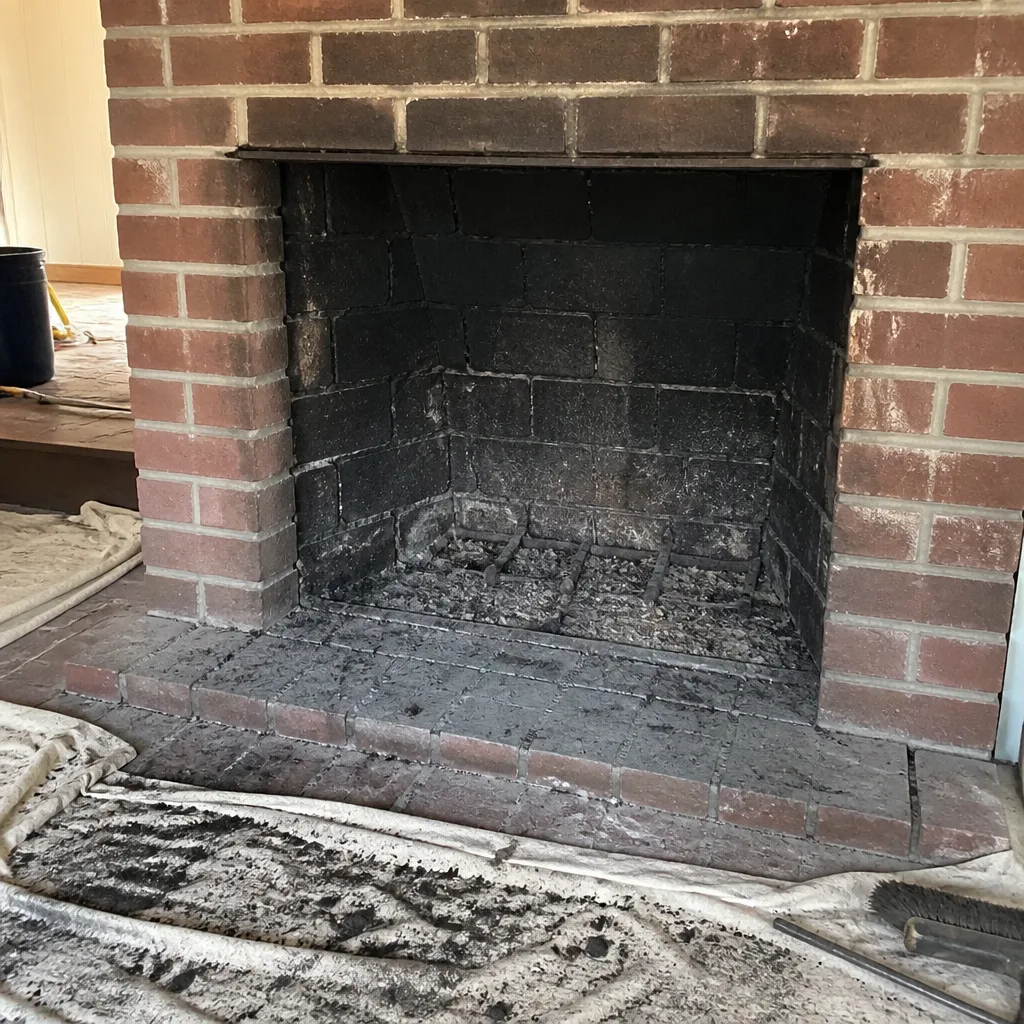 Before
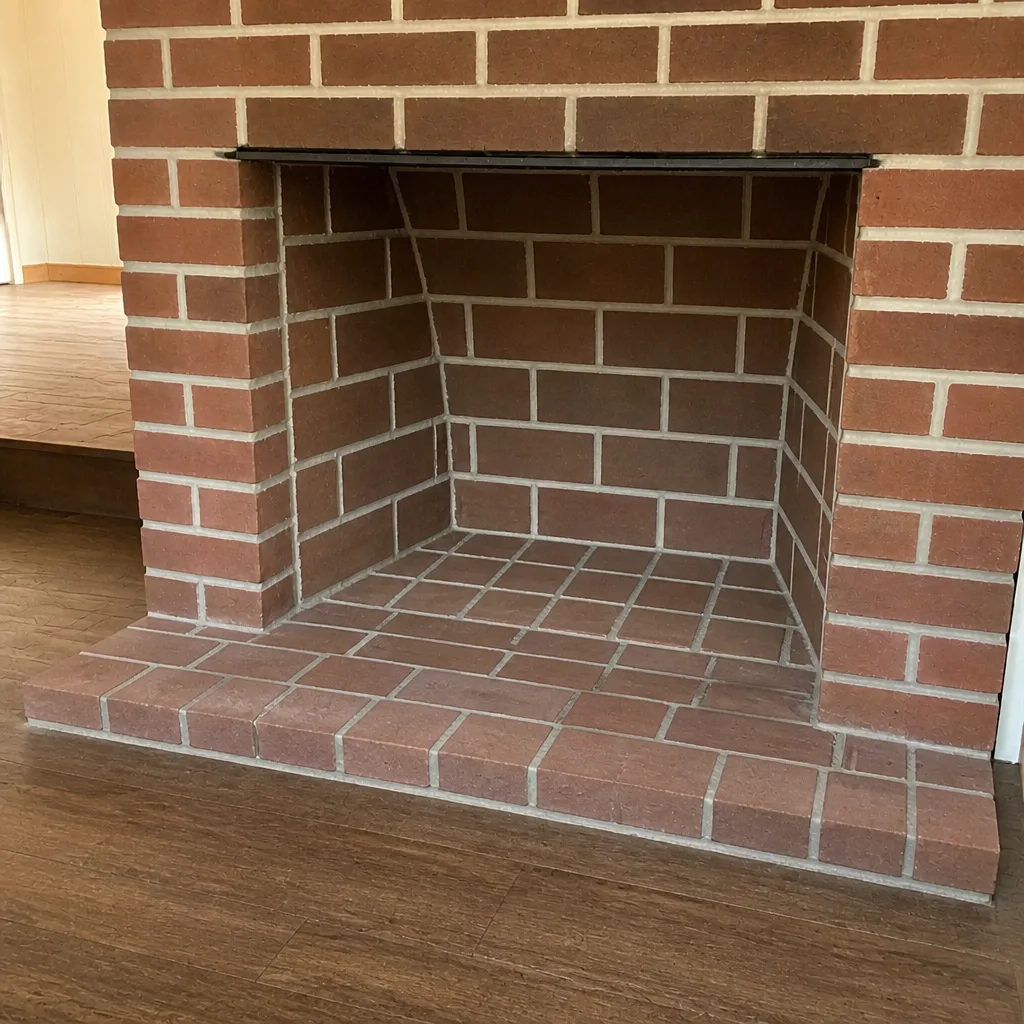 After
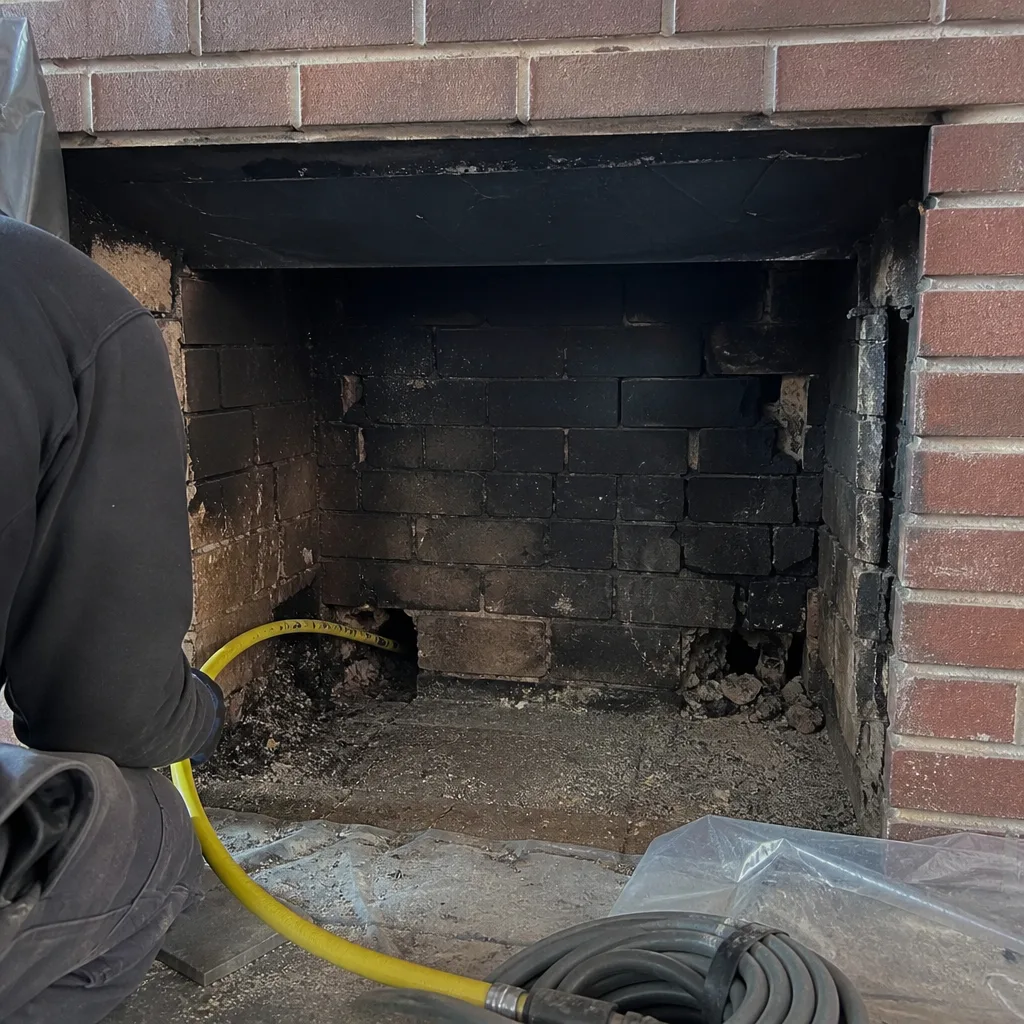 Before
 After
 Before
 After
When to Call a Professional
Call a professional sweep when the chimney burns wood, when the home is older and the liner’s condition is unknown, when the chimney has never been inspected, or when there’s any sign of glazed or hardened creosote. Book a sweep before the burning season rather than after a problem shows up. If a cap is missing or a crown is cracked, that’s an inspection too – the roofline is where water damage starts. And if a sweep ever recommends a liner replacement or a rebuild, you should see the camera evidence that justifies it; nothing gets recommended without it, and you should be told plainly when work can safely wait. If DIY is on the table for a gas system between professional visits, keep the annual inspection in place – that’s what verifies the system stays sound. Chimney Sweep Torresdale offers free estimates in Torresdale. Call (877) 812-1596. We answer 24/7. Fast dispatch from 7am to 7pm, Sunday through Friday.
Frequently Asked Questions
You can remove light, Stage 1 creosote from an accessible flue yourself, but you can’t inspect the liner, confirm sizing, or assess the cap, crown, and masonry – and those are the checks that catch the dangerous problems. For wood-burning systems and older homes, a professional sweep is the safer and cheaper decision over time. Call (877) 812-1596 for an exact quote – estimates are free.
Stage 1 is flaky and brushes off; Stage 2 is glazed and tar-like and doesn’t brush off; Stage 3 is hardened, fuel-rich glaze and the primary cause of chimney fires. A brush handles Stage 1 but slides over Stage 2 and won’t touch Stage 3. Heavy glazed creosote is a job for a professional sweep. Call (877) 812-1596 for an exact quote – estimates are free.
Yes, an oversized brush can crack clay tile and score a metal liner, and brushing glazed creosote can break off chunks that block the throat and restrict draft. Correct brush sizing and knowing the creosote stage before brushing are the two things that prevent it – and both come from an inspection. Call (877) 812-1596 for an exact quote – estimates are free.
Yes. A clean flue and a sound flue are two different conditions. A camera inspection is how cracked tiles, displaced sections, and voids get caught, and those defects are invisible from the firebox. Nothing gets recommended without camera evidence you can review yourself. Call (877) 812-1596 for an exact quote – estimates are free.
Once a year is the standard recommendation for an active wood-burning fireplace, ideally before the burning season starts. A gas system with a stainless liner still needs the annual inspection even if little cleaning is required. Booking it before the fire is lit is how small repairs stay small. Call (877) 812-1596 for an exact quote – estimates are free.
It can be, in a narrow case: a gas-only system with a properly installed stainless liner that receives an annual professional inspection, where light owner maintenance between visits is reasonable. It’s not a good idea for wood-burning fireplaces, older homes with original clay tile or unlined flues, or any chimney that has never been inspected. Call (877) 812-1596 for an exact quote – estimates are free.
The Bottom Line
DIY chimney cleaning isn’t a question of whether you can physically brush a flue – you can. It’s a question of what you can’t see or verify while you’re doing it. The brush removes light creosote. The camera and training confirm the liner, crown, and masonry are sound. In a Torresdale home with original clay tile or an unlined flue, that gap is exactly where liner failures, water damage, and carbon monoxide events begin. Book the sweep with the inspection, keep it on an annual schedule, and let the brushing ride along with it. One company from sweep to rebuild means cap, crown, liner, and firebox are addressed together – and nothing is recommended without evidence you can see. Call (877) 812-1596 for a free estimate and a flat price agreed before the visit is booked.
Written by the team at Chimney Sweep Torresdale.