
Last updated November 22, 2026
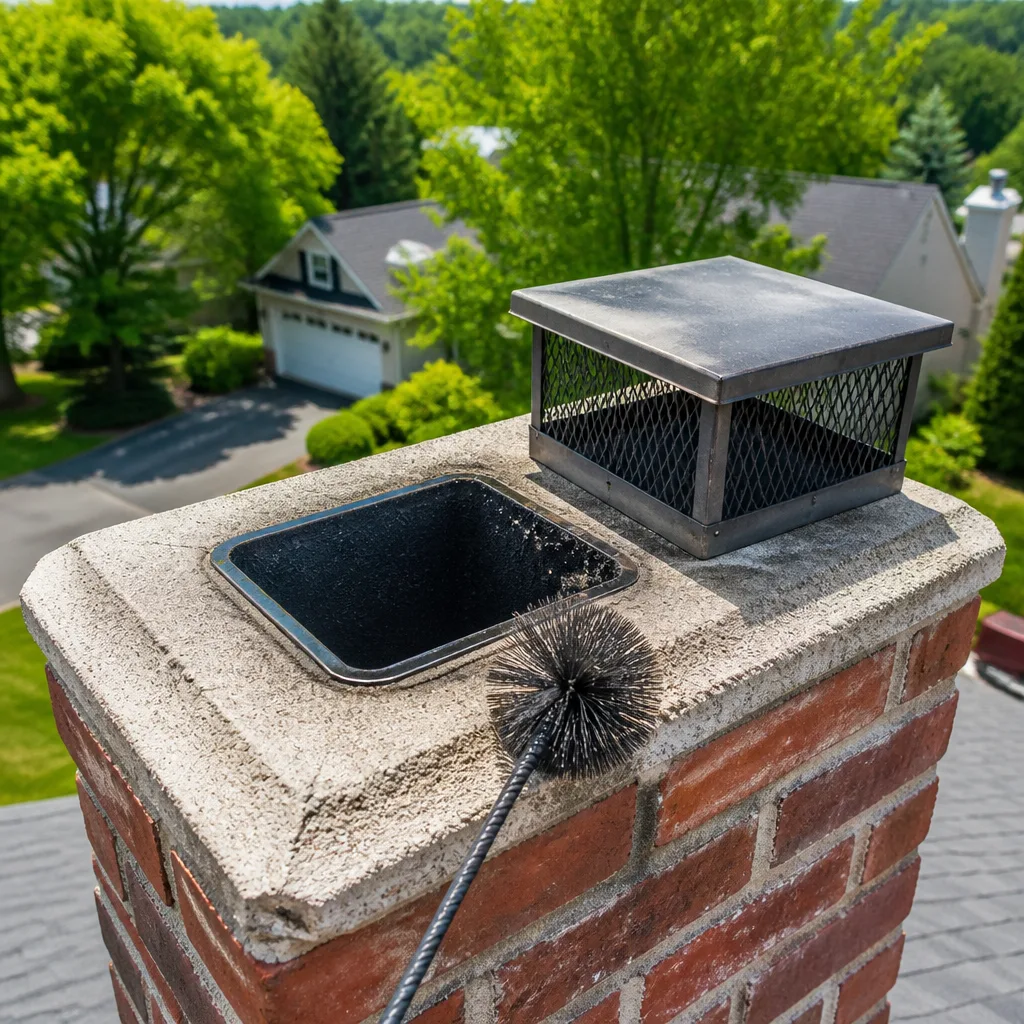 Sweep & inspection
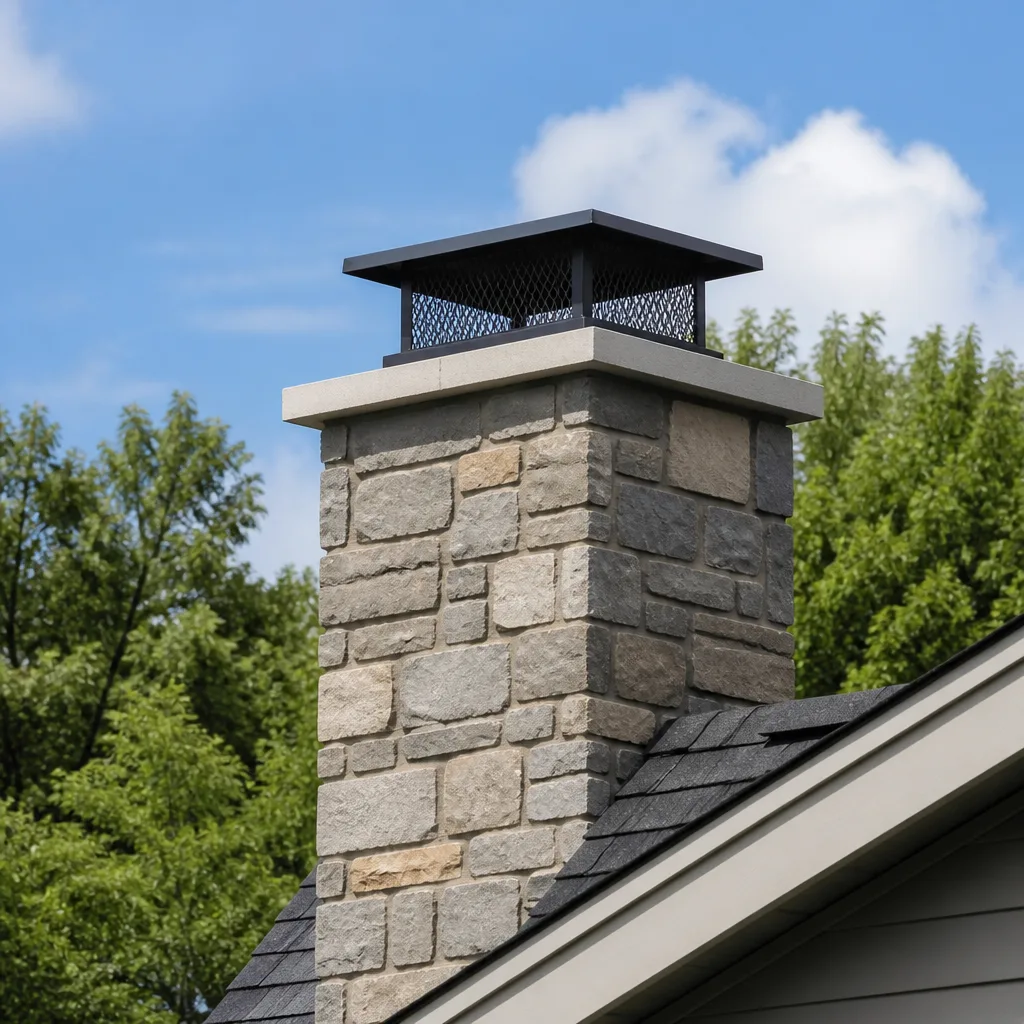 Caps & crowns
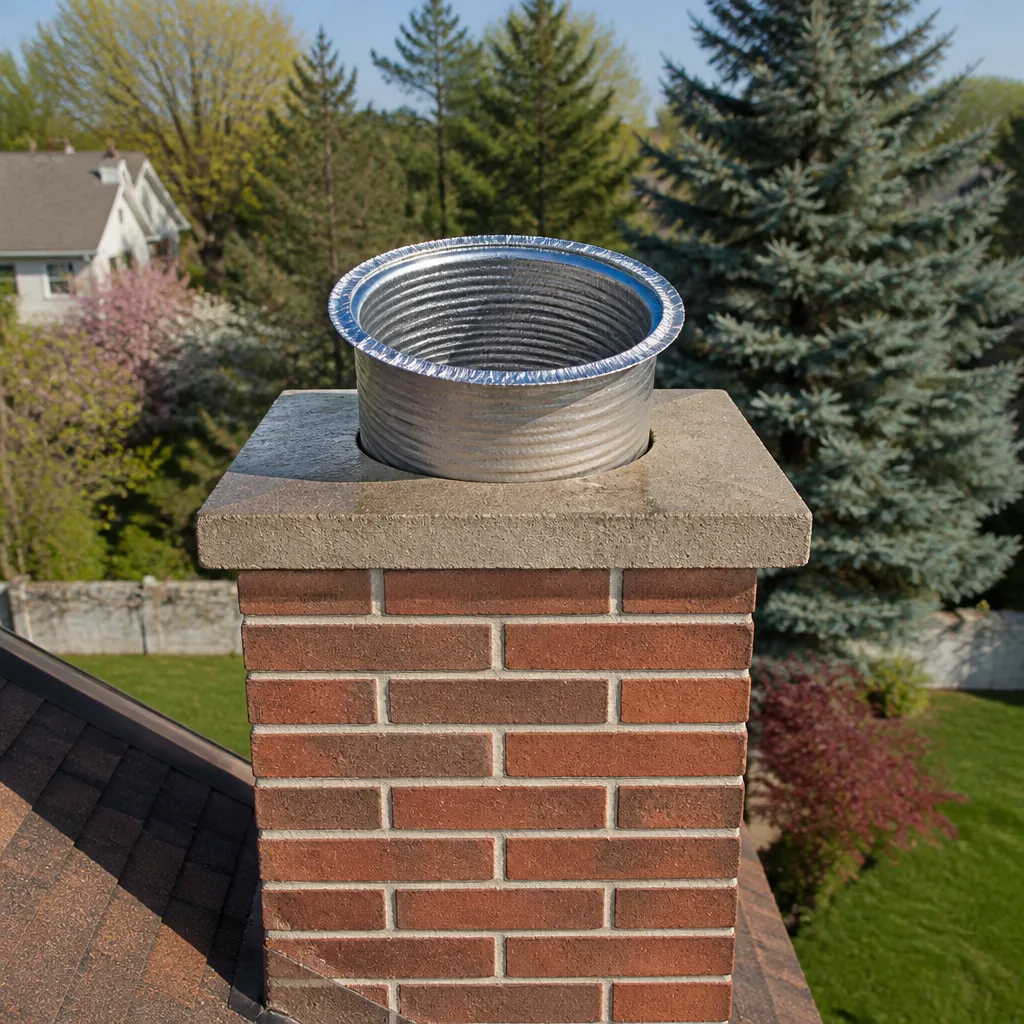 Flue relining
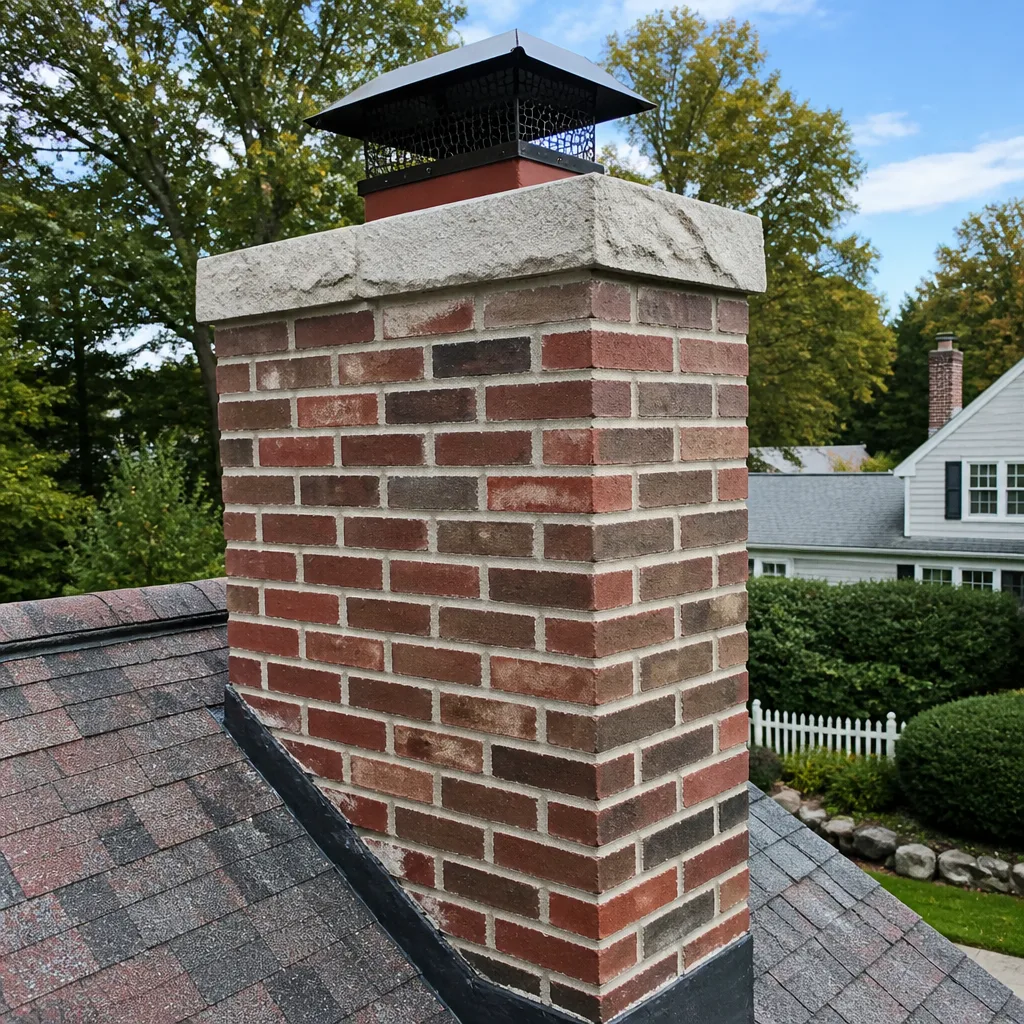 Masonry repair
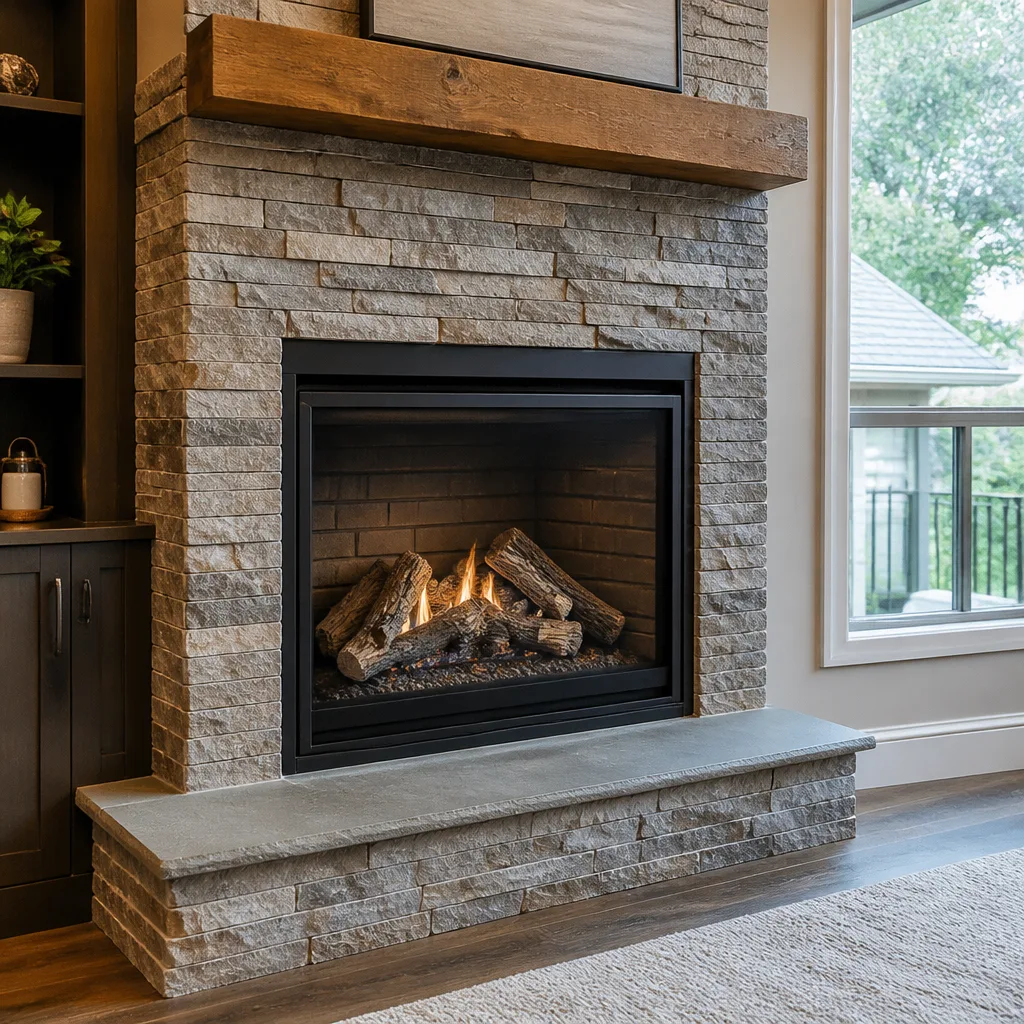 Gas fireplace service
Level 1 sweep and inspection to the NFPA 211 annual standard - flue, crown, cap, and flashing checked and photographed
Chimney sweep logs do not sweep chimneys. They loosen some creosote - which then falls where a brush and vacuum still have to collect it.
Chimney Sweep Maintenance Checklist for Torresdale Homeowners
Most homeowners treat a chimney sweep like an oil change: one appointment a year and the system is covered. That assumption is where chimney budgets quietly fall apart. A flue swept clean in October can have a blocked cap, a cracked crown, or a failed flashing seal by March, and none of those problems appear on last year’s sweep report. Sweeping removes creosote; it doesn’t watch the exterior masonry through a Torresdale winter. This guide gives you a month-by-month framework for the owner-side work that sits between professional visits, what to look for, when to look, and the five signals that mean you should stop waiting for the annual appointment and call now.
Quick Answer
A chimney maintenance checklist for a Torresdale homeowner covers two tracks: what a professional does (annual sweeping, camera inspection, liner and firebox assessment, cap and crown checks) and what you can safely observe yourself between visits (draft, staining, cap debris, mortar joints, flashing seals). The owner-side checks take about ten minutes a season and catch the failures a sweep-only schedule misses. Exterior inspection from the ground is safe; anything on the roof or inside the flue is professional territory.
Styles & brands we work with
- Sweep & inspection
- Caps & crowns
- Flue relining
- Masonry repair
- Gas fireplace service
Table of Contents
- The seasonal owner checklist: what to check and when
- Owner-observable warning signs vs. professional-only diagnostics
- Pre-season startup checks by system type: wood, gas, and oil
- The freeze-thaw cycle and your exterior chimney in early spring
- Five signals that should trigger an unscheduled call
- What the annual professional visit should actually include
- Why professional-grade materials matter for repairs
- Common mistakes to avoid
The Seasonal Owner Checklist: What to Check and When
Chimney maintenance in Torresdale follows the climate, not the calendar quarter. Northeast Philadelphia gets cold winters with repeated freeze-thaw cycles, humid summers, and a fall leaf drop that fills caps and gutters. Each season brings a different failure mode, and each one is cheap to catch early and expensive to catch late. Here’s the owner-side schedule we’d hand to any homeowner with a wood-burning or gas fireplace.
Fall (before first fire)
- Look up at the cap from the ground with binoculars. Any visible debris, a nesting bird, or a missing cap means call before you burn.
- Open the damper and check that it moves freely through its full range.
- Smell the firebox with the damper closed. A strong creosote or smoky odor in a cold firebox is a sign of a dirty flue or a draft problem.
- Check the firebox brick and mortar joints for loose pieces or white staining.
Winter (during burning season)
- Watch the fire’s behavior. Smoke rolling into the room, a lazy draft, or a fire that needs constant coaxing are draft signals worth a call.
- Check the firebox floor for new cracks or crumbled mortar after each cold snap.
- Listen. A whistling or roaring sound at the cap during wind is a sign of a partially blocked flue or a loose cap assembly.
Spring (after last fire)
- Walk the exterior base and look at the crown and mortar joints from the ground. Freeze-thaw damage shows up here first.
- Check the flashing at the roofline for lifted edges or gaps, visible from the ground with binoculars.
- Look for white staining on exterior brick, which can point to moisture moving through the masonry.
Summer (the quiet season)
- Look at the cap again. Summer is when birds nest and when squirrels move in.
- Check for a musty or damp smell near the fireplace on humid days. That can signal a cap or crown problem letting water in.
- This is the best window to book the annual sweep, before the fall rush.
None of these checks require tools, a ladder, or a roof. They’re visual and observational. The professional visit handles everything else, and for the deeper work we install DuraFlex liners and apply HeatShield restoration when a flue or firebox needs rebuilding rather than sweeping.
Owner-Observable Warning Signs vs. Professional-Only Diagnostics
The most useful distinction in chimney maintenance is between what you can see safely from the ground and what only a professional with a camera, a ladder, and a trained eye can diagnose. Missing that line is how homeowners either panic over a harmless stain or ignore a real problem for a season too long. Here’s the split.
What you can observe safely yourself
- White staining on exterior brick or firebox masonry. This can indicate moisture moving through the masonry or efflorescence from a leak. You can see it; only an inspection can tell you which it is.
- Debris at the cap. Leaves, twigs, or nesting material visible around the cap from the ground is a clear “call now” signal.
- Draft problems. Smoke in the room, a fire that won’t draw, or a cold fireplace that smells strongly are all owner-observable.
- Damaged mortar joints. Crumbling, recessed, or missing mortar on the chimney stack, visible with binoculars, is a masonry issue that will worsen with each freeze-thaw cycle.
- Lifted flashing. The metal flashing where the chimney meets the roof can lift over time. It’s visible from the ground.
- Cracked crown. A crack across the top concrete surface lets water straight into the flue system.
What only a professional can diagnose
- Interior flue tile condition and gaps between tiles.
- Creosote level (glaze vs. soot vs. ash) and whether it’s reached the third-degree stage that needs specialized removal.
- Liner integrity and whether an existing liner meets code for the appliance.
- Firebox wall thickness and heat damage that isn’t visible from the front.
- Hidden water intrusion behind interior masonry.
The practical rule: if you can see it from the ground with binoculars, note it. If it’s inside the flue or on the roof, leave it to a trained professional. High-tension chimney components and steep-roof work are genuinely dangerous, and no homeowner check is worth a fall. When we come out for the annual visit, everything on the professional list gets checked, photographed, and reported before any work is recommended.
Pre-Season Startup Checks by System Type: Wood, Gas, and Oil
Not every chimney in Torresdale burns wood. Plenty of older Northeast Philly homes have been retrofitted with gas inserts, and a smaller number still run oil-fired heating equipment through a dedicated flue. Each system has its own startup checkpoints, and treating them identically is how small problems get missed.
Wood-burning fireplace or insert
- Confirm the damper opens fully and closes flush.
- Verify the glass doors (if any) seal and that gaskets aren’t dried out.
- Check the firebox floor and back wall for cracks, spalling, or mortar loss.
- Have the flue swept annually before the first fire if you burn regularly.
- Confirm the cap is intact and the screen is clear.
Gas insert or gas fireplace
- Check that the pilot lights and stays lit. A nuisance shutdown can mean a flue or venting issue.
- Look for dust, cobwebs, or debris in the venting path. Gas units still need a clear vent.
- Verify the glass front is clean and the logs or media are positioned per manufacturer spec.
- Watch for sooting or a yellow, lazy flame that wasn’t there last season.
- Have the venting inspected, even if you don’t burn wood. Gas appliances still exhaust through the chimney.
Oil flue
- Have the oil-fired appliance serviced by a qualified technician before the season.
- Check for soot or oil odor near the cleanout door.
- Confirm the barometric damper (if present) moves freely.
- Have the flue inspected for corrosion or scale, which is common in oil exhaust paths.
- Verify the cap and any exterior venting are intact.
The order matters: check the appliance side first, then the flue side. If the appliance is failing, a perfectly clean flue won’t help, and vice versa. For gas and oil, we don’t work on the appliance itself; we inspect and maintain the flue and chimney system it exhausts through. That’s the split to keep straight when you’re booking service.
The Freeze-Thaw Cycle and Your Exterior Chimney in Early Spring
Torresdale winters do more damage to exterior chimney masonry than most homeowners realize, and the damage happens in the thaw, not the freeze. Water gets into a hairline crack, mortar joint, or the crown, freezes, expands, and widens the opening. Then it thaws, drains, and the cycle repeats. A single Northeast Philly winter with a dozen freeze-thaw swings can turn a hairline crack into a failed crown.
Early spring is when you want to look. By March or April, whatever the winter did is fully exposed. Here’s what to check from the ground:
- The crown. This is the concrete or mortar cap on top of the chimney. Look for cracks, spalling, or a separation between the crown and the flue tile. A failing crown is a direct water path into the flue.
- Mortar joints. On older brick chimneys, mortar is the softest material in the system. If joints look recessed, sandy, or crumbly, the freeze-thaw cycle is winning.
- Brick faces. Spalled brick (where the face has popped off) also points to freeze-thaw damage.
- Flashing at the roofline. Where the chimney meets the roof, metal flashing and its sealant can lift. Water enters here, not through the chimney itself, more often than homeowners think.
- White staining. Efflorescence is a salt deposit left behind by water moving through masonry. It’s a sign, not the problem itself.
Spring is also when we recommend the exterior half of a full-system inspection. A sweep cleans the inside; a cap and crown check protects the outside. When a crown needs replacing or a cap needs upgrading, we install professional-grade components like Gelco, Famco, and Olympia Chimney covers rather than consumer hardware that fails within a couple of seasons. That’s part of why we treat cap and crown work as core maintenance, not a repair line item. chimney cap & crown work belongs on the seasonal checklist every spring, because it’s the cheapest way to prevent the expensive water intrusion that shows up two winters later.
Five Signals That Should Trigger an Unscheduled Call
The annual sweep is the floor, not the ceiling. There are five specific situations where waiting for the next scheduled appointment is the wrong move. None of them require panic; all of them require a call.
- Smoke backs into the room when you open the damper or light a fire. A damper that’s open but still lets smoke in the room usually means a pressure issue, a blockage, or a liner problem. Don’t burn until it’s diagnosed.
- You smell smoke or creosote in the house when there’s no fire burning. That’s a draft or seal problem. A cold fireplace should smell neutral, not smoky.
- Visible cracking or spalling in the firebox walls. Firebox damage can allow heat and gases to reach the surrounding structure. This is not a wait-and-see item.
- Water stains or dampness on interior walls or the ceiling near the chimney. Water is finding a path. The source needs to be identified before it spreads into framing.
- Debris, an animal, or a missing cap observed from the ground. A blocked or open flue can push combustion gases back into the living space, and carbon monoxide has no smell. This is the one that most often gets delayed and shouldn’t be.
Add a sixth for gas and oil systems: any change in how the appliance burns, including a lazy flame, sooting, or a pilot that won’t stay lit, is a call-the-professional signal, not a wait-for-spring one. Carbon monoxide risk on any fuel-burning system is real and specific. It’s why we say nothing is recommended without camera evidence you can see for yourself, and why we say plainly when work can safely wait.
What the Annual Professional Visit Should Actually Include
A chimney sweep visit done properly is a full-system assessment, and the sweep itself is only one part of it. If your annual appointment is someone running a brush and handing you a bill without a report, you’re getting half the service. Here’s what a complete annual visit includes.
1. Sweeping the flue
The brush-and-vacuum portion. Removes soot and creosote deposits from the flue, firebox, and smoke chamber. This is the visible, expected part.
2. Camera inspection
A video camera run through the flue identifies interior damage the sweep brush can’t: cracked tiles, gaps at joints, liner integrity issues, and buildup in hidden sections. The photo report is the key deliverable. You should get to see what we see.
3. Firebox and smoke chamber check
The firebox walls, throat, damper, and the smoke shelf behind the damper all get checked. Cracks, spalling, and mortar loss here are common in older Northeast Philly homes.
4. Liner assessment
The flue liner (clay tile or an installed stainless liner) is checked for gaps, corrosion, and code compliance with the appliance currently connected. A liner specified for a wood fire isn’t necessarily right for a gas insert retrofit.
5. Cap and crown check
The cap and crown are checked from the roof or ground. Debris, cracks, and missing fasteners get identified and documented.
6. Exterior flashing observation
Where the chimney meets the roof. Lifted or failed flashing is a water-entry issue that shows on the inside long after.
7. A written report with photos and recommendations
Every recommendation should have a photo or camera record behind it. If a professional says you need a new liner, you should see the reason on the image. If a repair can wait, they should say so. When work is needed, we handle it end to end: routine sweeping, chimney repair, liner install, and rebuilds. One company from sweep to rebuild, not a sweep tech plus a separate mason.
Why Professional-Grade Materials Matter for Repairs
The difference between a chimney repair that lasts and one that fails in two seasons is usually the material, not the labor. Chimney systems endure year-round temperature cycles, moisture, and acidic exhaust. Consumer-grade components from a hardware store aren’t built for that environment, and the failures show up at the worst possible time.
This is why we work with recognized professional-grade product lines. Our cap and cover work uses Gelco, Famco, and Olympia Chimney components. DuraFlex flexible liner systems handle the interior flue. HeatShield restoration addresses damaged fireboxes and flue tiles without demolition, which is often the difference between a few hours of work and a full rebuild. We also use Copperfield chimney supplies, which are wholesale-grade and not sold through consumer retail channels. The point isn’t brand names for their own sake; it’s that the same materials specified by certified chimney professionals across the country are the ones going into your chimney.
Here’s the distinction that matters to a homeowner making a repair decision:
- Cosmetic repair patches a visible problem with retail materials and often fails within a few seasons.
- System repair addresses the underlying cause with professional-grade components and typically lasts the life of the chimney.
- Restoration (like HeatShield) extends the life of existing masonry without demolition, and is viable only when the structural integrity is still intact.
- Rebuild is necessary when the damage is structural. It’s the most expensive option and the correct one when restoration isn’t viable.
Chimney Sweep Torresdale covers all four. That matters because the right answer isn’t always the cheapest one, and it isn’t always the biggest one. It’s the one the camera evidence supports.
Common Mistakes to Avoid
- Skipping the exterior inspection because the sweep report was clean. A sweep removes creosote inside; it doesn’t watch the crown, cap, and flashing through a Torresdale winter. The two are separate maintenance tracks.
- Burning before the fall inspection. The first fire of the season is exactly the wrong time to discover a blocked cap or a broken flue tile. Book the sweep before heating season, not during.
- Treating a gas insert like a no-maintenance appliance. Gas fireplaces still have a venting path that needs inspection, and dust, birds, and soot build in that path just like a wood flue.
- Ignoring a small crack in the crown. Freeze-thaw in Northeast Philly expands hairline cracks into failed crowns in one or two winters. Spring is the moment to act, not fall.
- Hiring a sweep-only company for a repair decision. A sweep-only shop can clean the flue but usually can’t do cap and crown work, liner install, or a rebuild. That’s where the full-system specialist matters.
- Accepting a repair recommendation without photo evidence. If someone says you need a new liner, ask to see the camera images. That’s the standard we hold ourselves to and the standard you should demand from anyone.
- Leaving the cap off “for now.” An uncapped flue is an open door for birds, squirrels, rain, and debris. There’s no scenario where waiting helps.
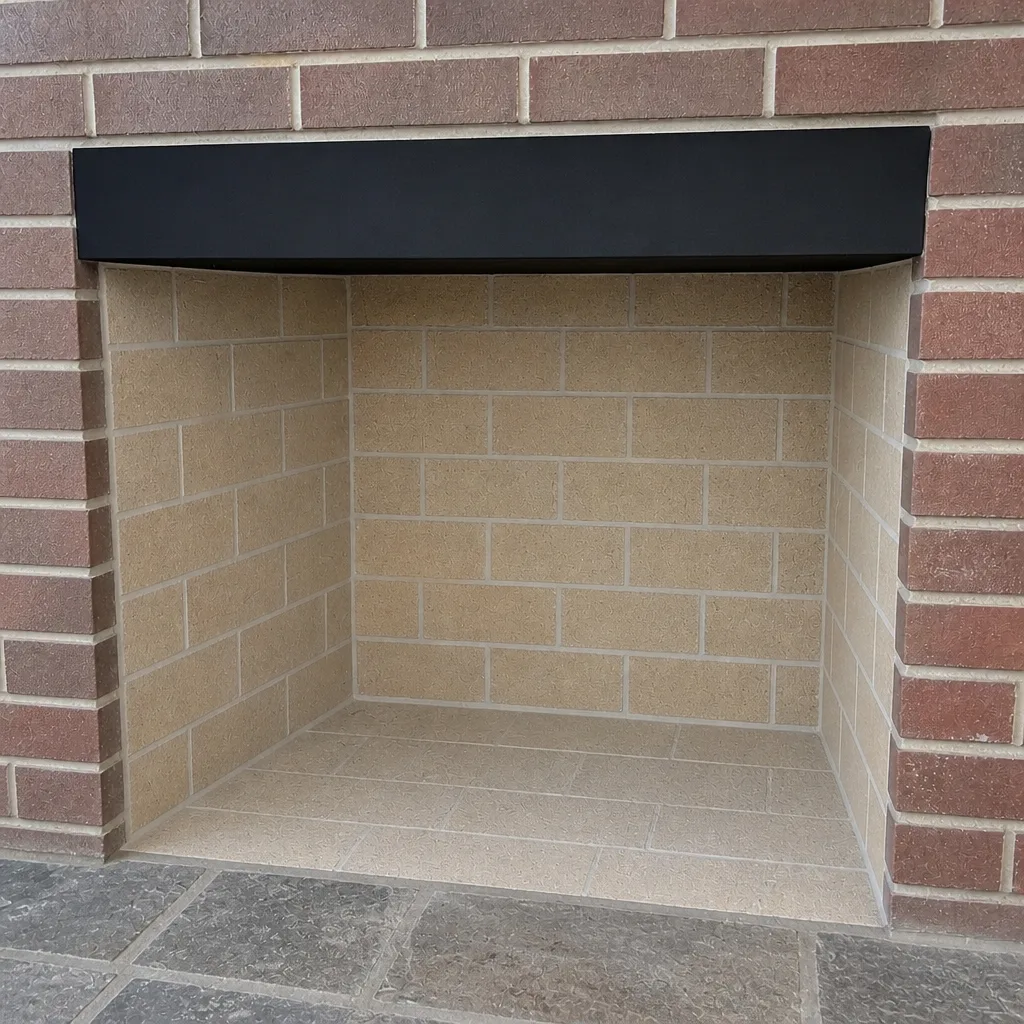
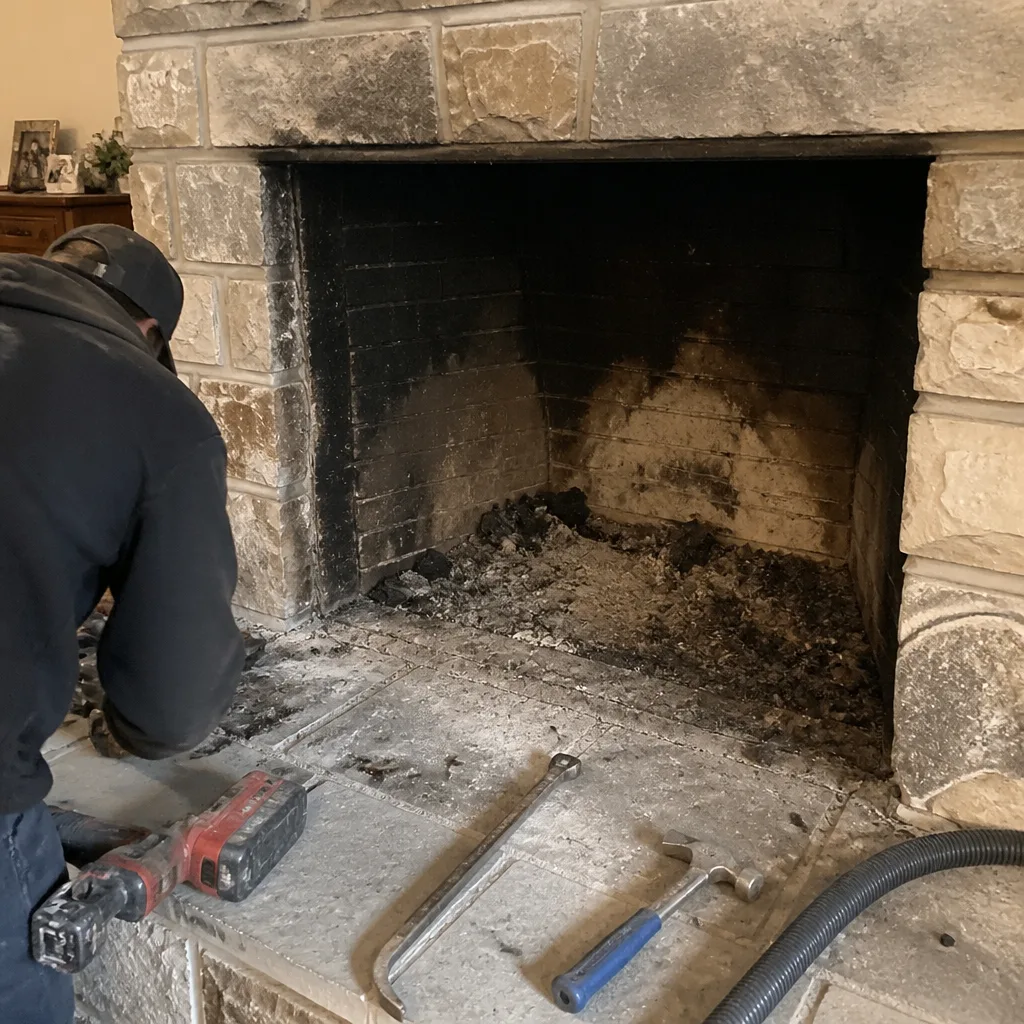
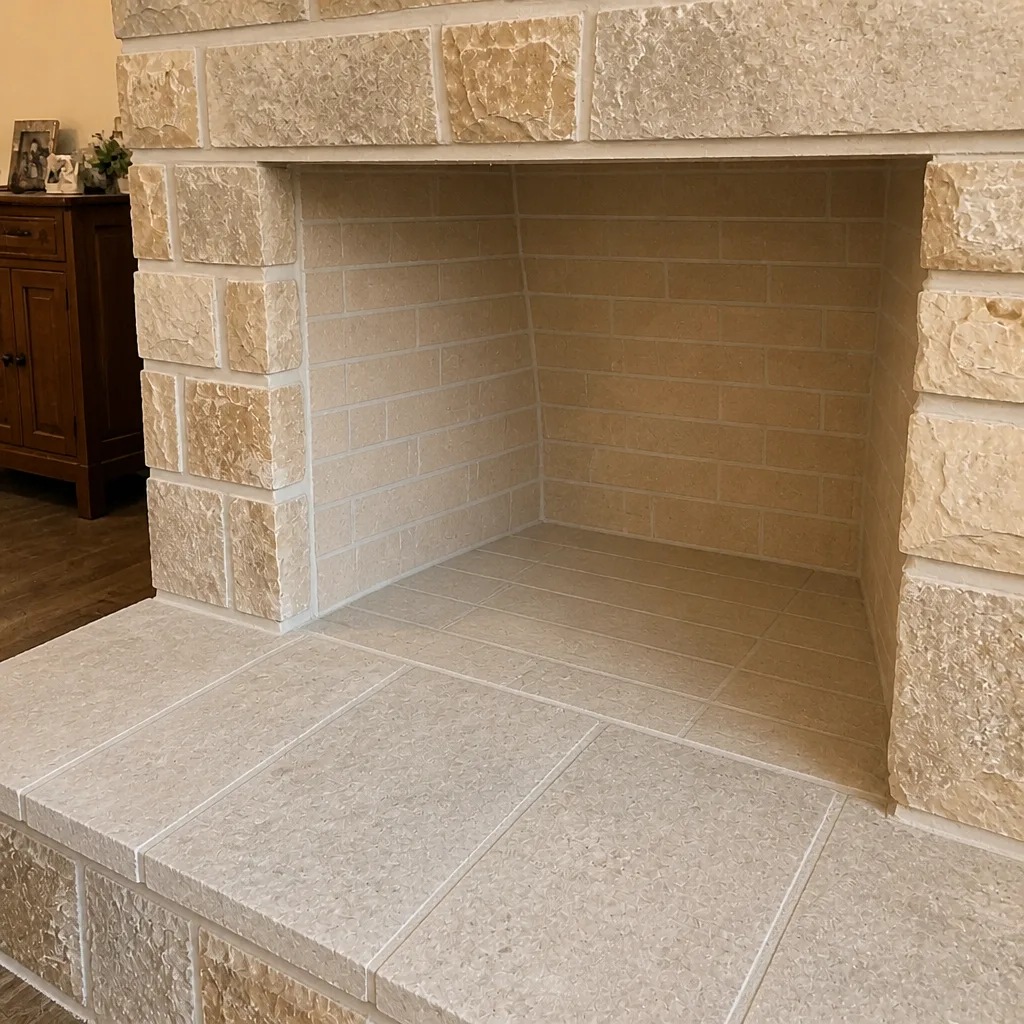
See the difference
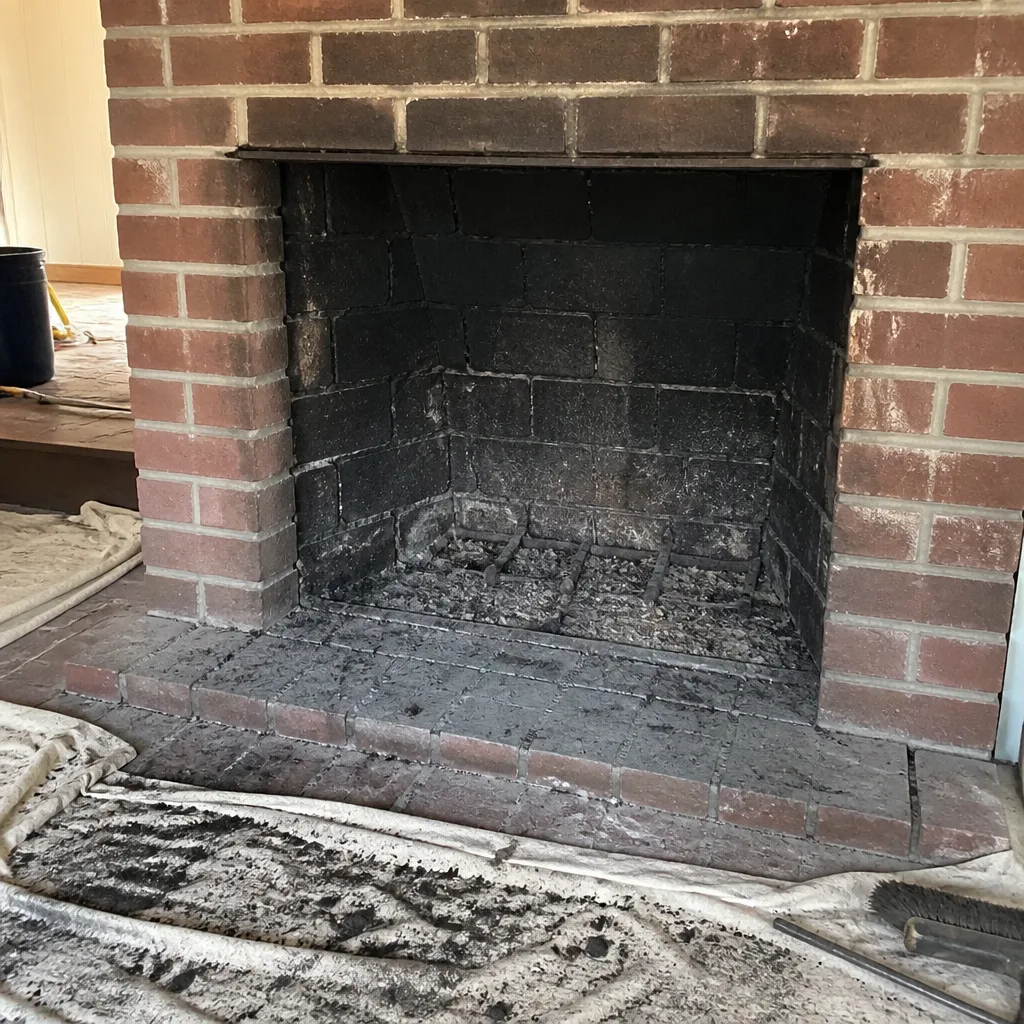 Before
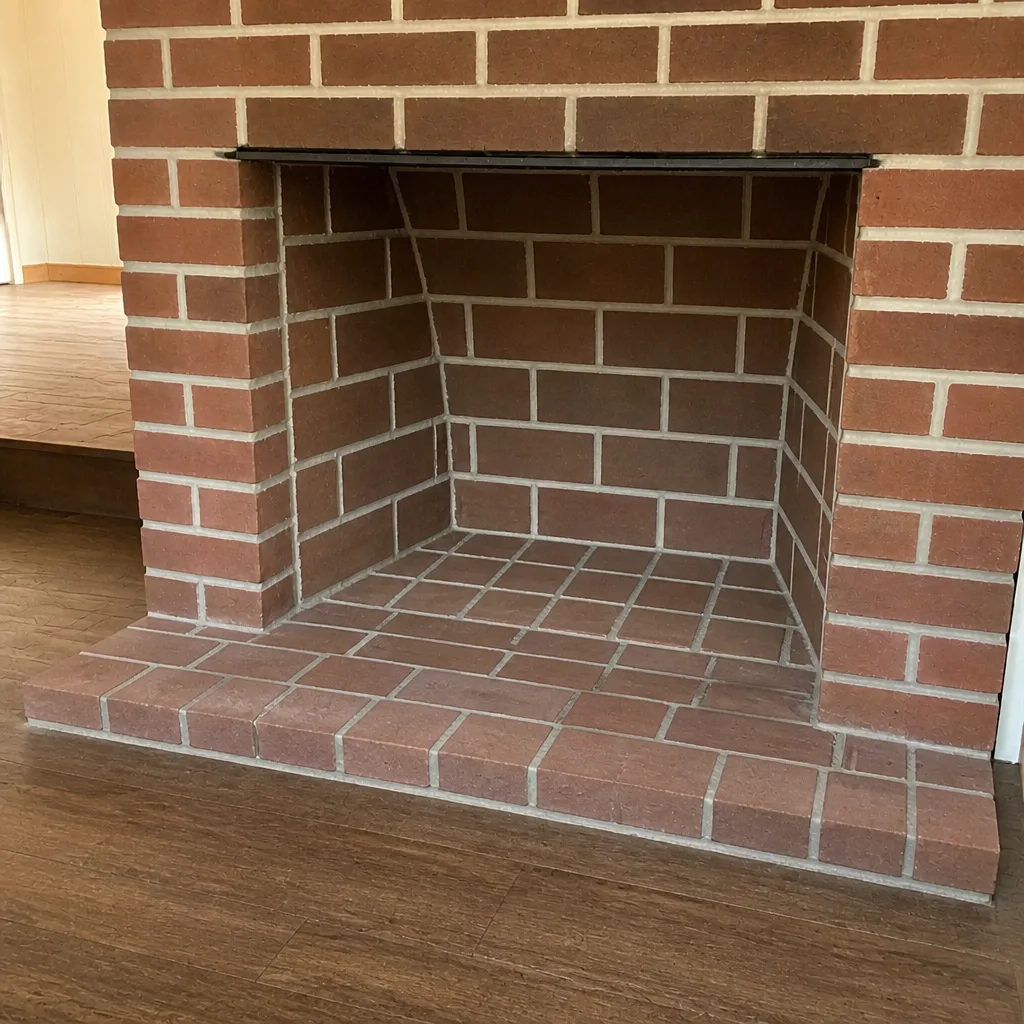 After
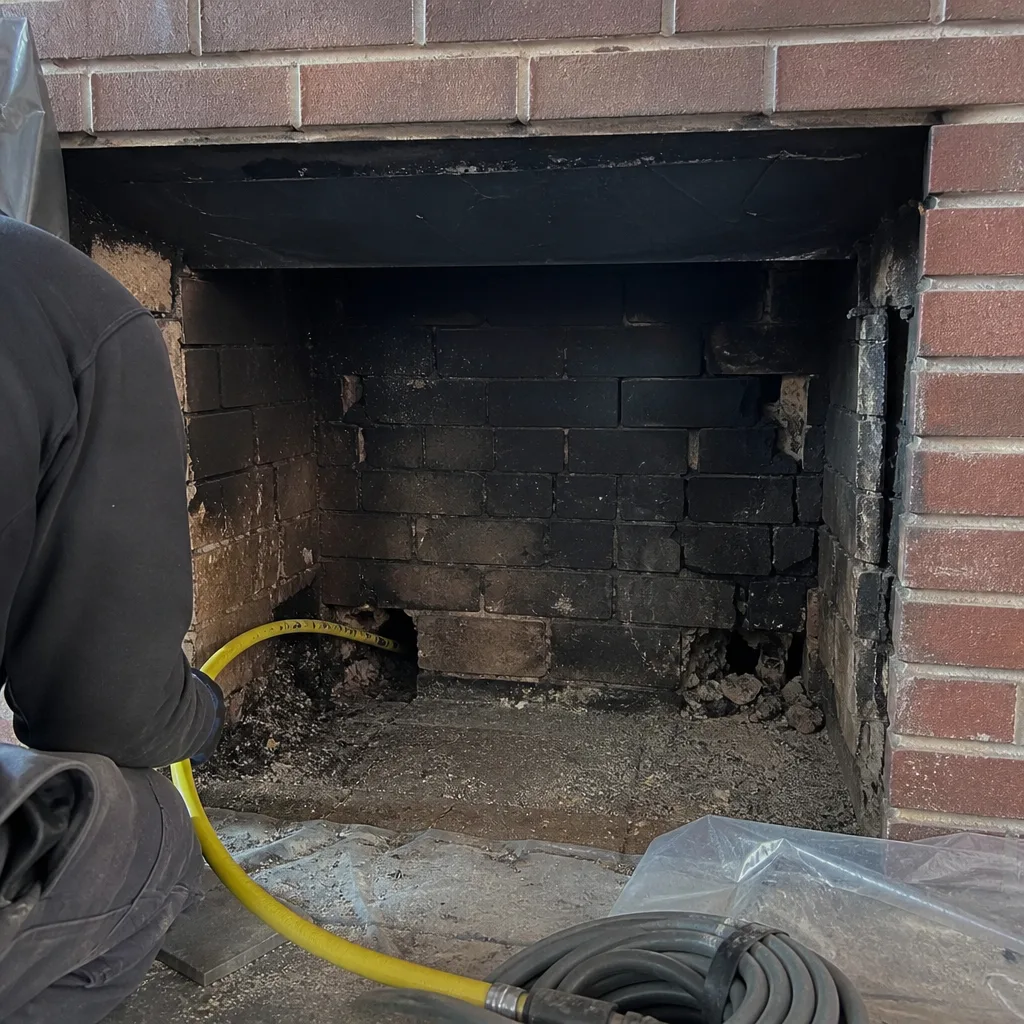 Before
 After
 Before
 After
When to Call a Professional
Call when you can see a problem or when you smell one. Visible debris at the cap, cracked firebox walls, water stains, smoke backing into the room, a lazy flame on a gas unit, or a smokier smell than usual are all signals that a professional camera inspection is due. So is any fuel-burning appliance that’s misbehaving. Also call before your first fire of the season if you haven’t had a sweep and inspection on the calendar this year, and in early spring if you skipped the exterior check in fall. A regular sweep at Chimney Sweep Torresdale starts with a camera inspection and a photo report you can read. Call (877) 812-1596 for a free estimate. We answer 24/7. Fast dispatch from 7am to 7pm, Sunday through Friday.
Frequently Asked Questions
Once a year is the standard for any actively used wood-burning chimney, and it’s also the baseline for gas and oil flues even though the buildup is different. Homes that burn frequently through the winter or use green wood should consider more frequent visits. Call (877) 812-1596 to book and we’ll recommend a schedule based on your appliance and how much you actually burn.
You can inspect the parts you can see safely from the ground: the crown, the cap, the exterior mortar, and the flashing. You cannot safely or accurately inspect the interior flue, the firebox walls, or the liner. Anything requiring a ladder, roof access, or a camera belongs to a professional. Our technicians have up to 8 years of experience and carry the inspection equipment to see what you can’t.
White staining is almost always efflorescence, a mineral deposit left behind when water moves through masonry and evaporates. It’s a symptom, not the source. The underlying cause can range from a damaged crown to failed flashing to a crack in the masonry. A camera inspection identifies the actual entry point so it can be sealed correctly.
Older Northeast Philly homes often have original clay tile liners that may not meet current code for the appliance connected today. Retrofitted gas inserts and oil-to-gas conversions are common, and the flue sizing that worked for the original appliance can be wrong for the current one. We run a camera through the flue to confirm the liner is appropriate for what’s actually burning in the fireplace.
You need a new liner when the current one is cracked, gapped, or undersized for the connected appliance. You don’t need one just because the flue is dirty. That’s exactly the decision that requires camera evidence, and we show you the images before recommending the work. When a liner is needed, we install DuraFlex systems. Call (877) 812-1596 for an inspection and free estimate.
Creosote builds up in the flue, and in a wood-burning chimney that buildup is what fuels a chimney fire. On gas and oil systems, skipping inspection risks undetected damage to the venting path, which can allow combustion gases into the home. Neither risk shows up on a visual check from the ground. Skipping a sweep doesn’t save money; it defers a bill that gets bigger. Call (877) 812-1596 to schedule and we’ll tell you exactly what your chimney needs.
The Bottom Line
A chimney swept in fall is clean on the inside but unwatched on the outside. The owner-side checklist in this guide covers what a sweep alone doesn’t: seasonal visual checks on the crown, cap, mortar, and flashing, a pre-season startup check matched to your actual system, and a spring pass to catch freeze-thaw damage before it compounds. The five unscheduled-call signals are your stop signs: ignore a blocked cap or a cracked firebox and the cost climbs. Everything else is scheduling. At Chimney Sweep Torresdale we work on the full system, from the smoke chamber to the cap, with professional-grade materials and a photo report behind every recommendation. Call (877) 812-1596 for a free estimate. We answer 24/7. Fast dispatch from 7am to 7pm, Sunday through Friday.
Written by the team at Chimney Sweep Torresdale.