
Last updated November 22, 2026
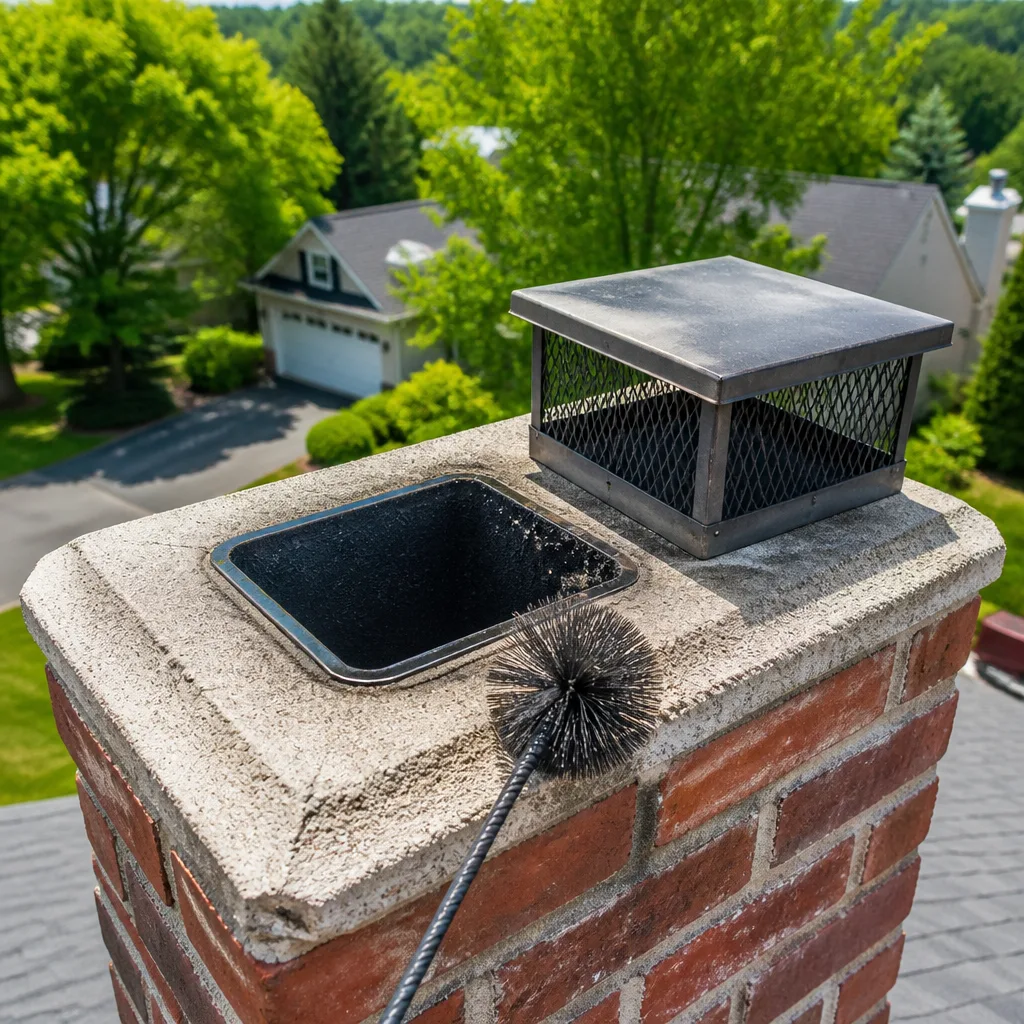 Sweep & inspection
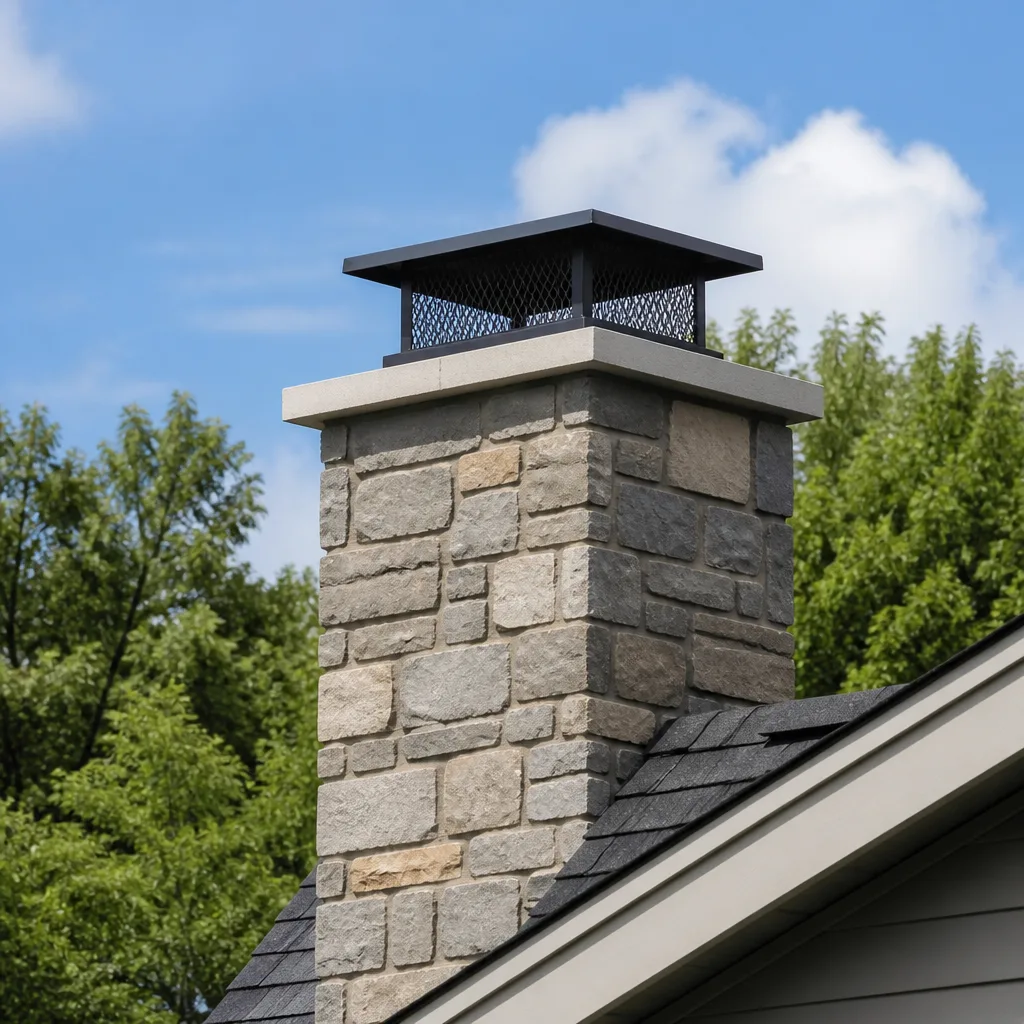 Caps & crowns
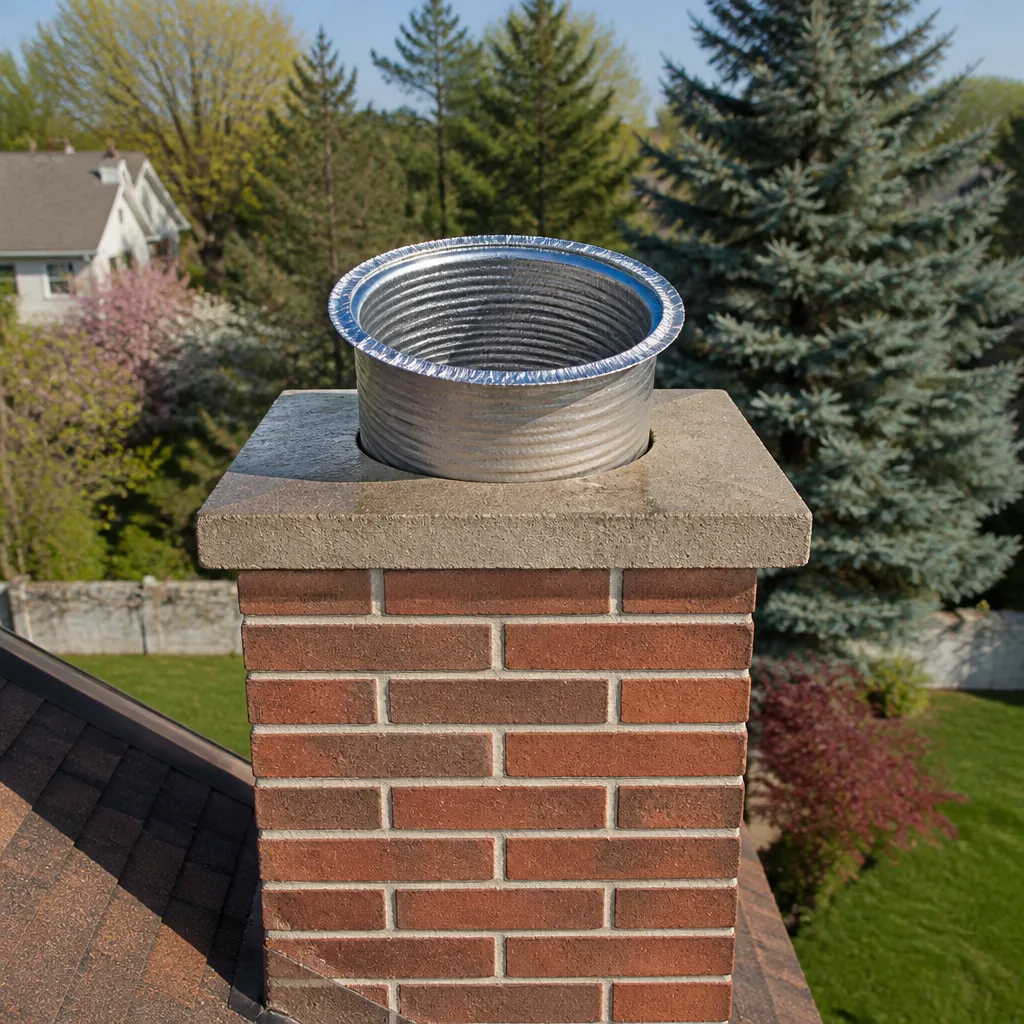 Flue relining
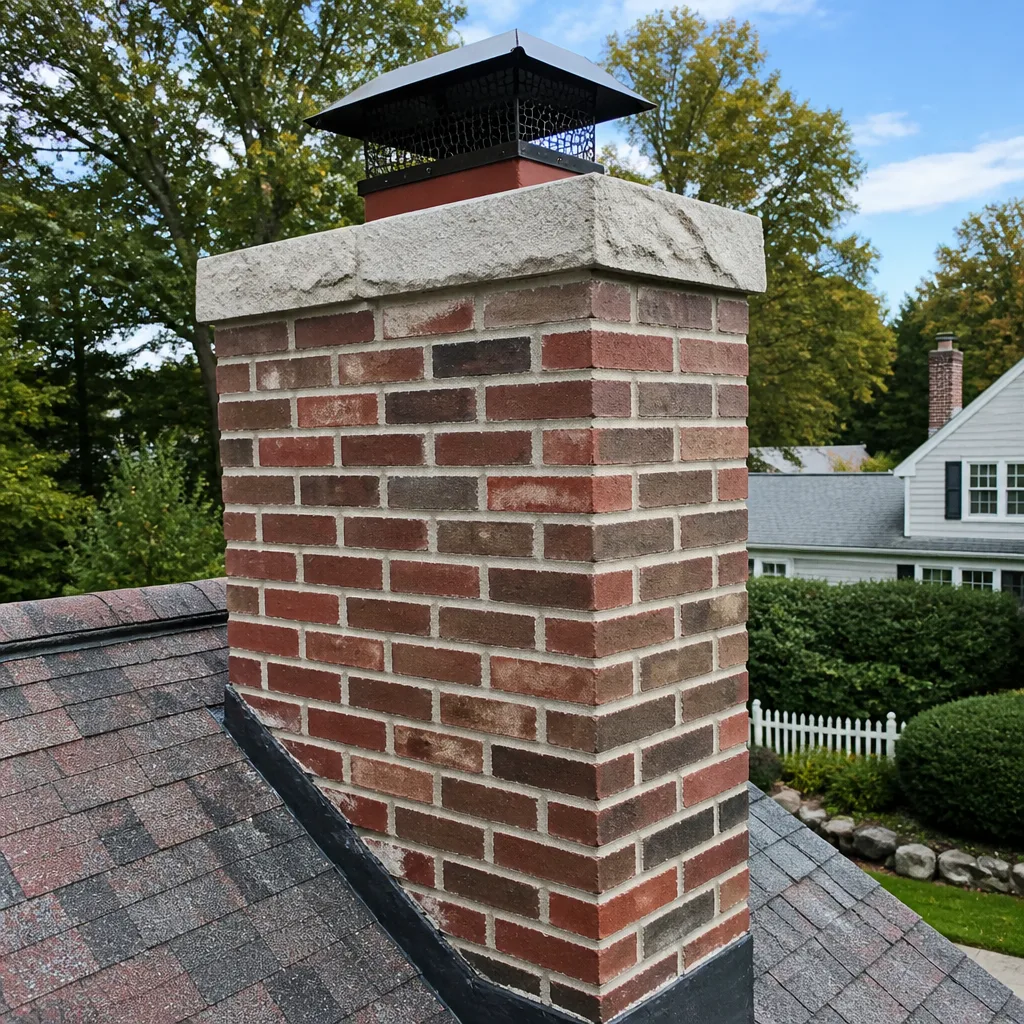 Masonry repair
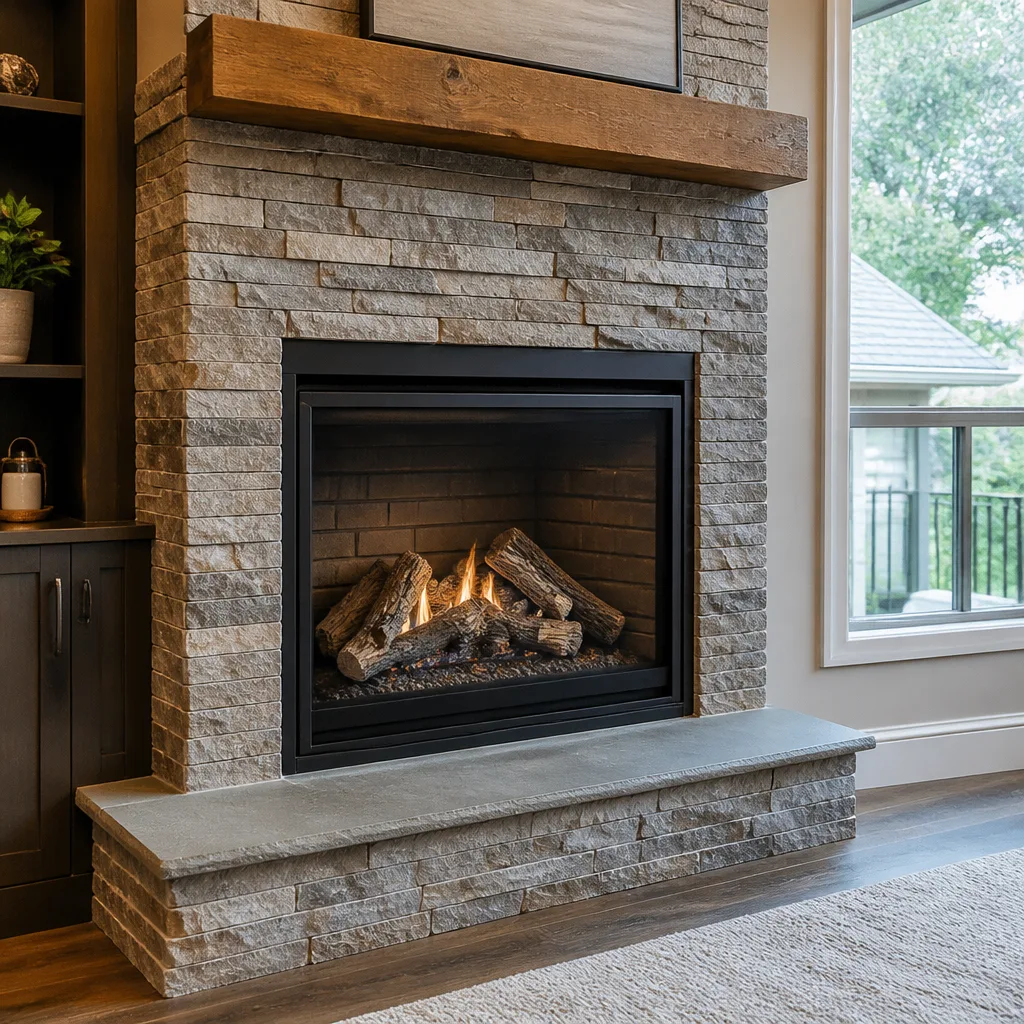 Gas fireplace service
Level 1 sweep and inspection to the NFPA 211 annual standard - flue, crown, cap, and flashing checked and photographed
Chimney sweep logs do not sweep chimneys. They loosen some creosote - which then falls where a brush and vacuum still have to collect it.
Chimney Sweep Troubleshooting in Torresdale: Common Problems and How to Fix Them
A smoky living room doesn’t automatically mean your chimney is dirty. It might mean your damper is warped, your flue liner is cracked, or your cap is catching wind in a way that reverses airflow down the flue. Here’s the trap: homeowners call for a sweep, the sweep happens, the smoke comes back, and the real problem was never the creosote. We’ve watched that cycle cost people real money on a fix that didn’t fix anything. This guide maps each common symptom to the specific component that usually causes it, so you can stop guessing and get the right repair the first time. We’ll cover how Torresdale’s older brick chimneys fail differently from newer construction, what you can safely check yourself before anyone arrives, and when a single visit needs both a sweep and a mason.
Quick Answer
Most chimney problems in Torresdale fall into four categories: blockages (creosote, nests, debris), draft failures (warped dampers, negative pressure, wind-driven backdraft), structural defects (cracked flue tiles, damaged crowns, failing mortar), and moisture intrusion (missing caps, failed flashing). Each produces a different symptom, and fixing the wrong one wastes money while the real hazard stays in place. If you’re unsure which category you’re dealing with, start with a camera inspection rather than a sweep.
Styles & brands we work with
- Sweep & inspection
- Caps & crowns
- Flue relining
- Masonry repair
- Gas fireplace service
Table of Contents
- Symptom-to-Component Map: What Your Chimney Is Telling You
- Why Older Torresdale Homes Fail Differently
- Sweep-Solvable vs. Structural: Knowing the Difference
- A Safe Pre-Inspection From Inside the Firebox
- Draft Problems, Backdraft, and Smoky Fireplaces
- Water, Caps, and Crowns: The Moisture Path
- When You Need a Sweep and a Mason on the Same Trip
- Repair, Restore, or Rebuild: Choosing the Right Level
Symptom-to-Component Map: What Your Chimney Is Telling You
Before you call anyone, write down what you’re actually experiencing. “The chimney smells” and “the fireplace smokes” sound similar but point to completely different failures, and the difference matters when it comes to what a technician should inspect first.
Here’s how we map symptoms to components in the field:
- Smoke rolling back into the room – usually a draft problem. Causes include a blocked flue, a damper that won’t open fully, negative pressure in the house, or a flue that’s undersized for the firebox opening. A sweep solves the blockage version; the other three don’t respond to sweeping.
- Weak draft with a smoky smell that lingers – often a cracked or separated flue liner. The gases are leaking into the chimney’s interior cavity instead of going up. This is a liner repair, not a cleaning.
- Odor when the fireplace is cold – creosote and soot residue absorbing moisture, or a downdraft pushing cool air down an empty flue. A sweep helps if there’s heavy creosote; a sealed cap helps if it’s downdraft.
- Visible cracking inside the firebox or around the damper – failed refractory material, which is a firebox repair. HeatShield restoration is often the right answer here rather than rebuilding.
- White staining or rust on the exterior brick – water intrusion, usually a failed crown or a missing or damaged cap. This is a crown and cap problem.
- Pieces of flue tile in the firebox – a structural liner problem. Stop using the fireplace until it’s inspected.
Noticing the pattern here? Two of those six are sweep-solvable. The other four need repair, restoration, or replacement work. Getting the diagnostic right the first time is the single biggest money-saver in chimney troubleshooting.
Why Older Torresdale Homes Fail Differently
Torresdale is full of brick chimneys built before 1970, and those chimneys have failure patterns that generic troubleshooting guides don’t address. If you live in a neighborhood like Academy Gardens, East Torresdale, or the older blocks off Frankford Avenue, here’s what that actually means.
Pre-1970 brick chimneys were typically built with clay flue tiles laid in mortar joints, and no other lining system. Over decades, those tiles absorb moisture from the gases passing through them, and the mortar joints between the tiles degrade. The result is a chimney that’s structurally intact from the outside while the interior liner has separated or cracked in ways you can’t see without a camera.
Three specific patterns we see in these older Torresdale chimneys:
- Tile joint separation at the offset. Most of these chimneys were built with a slight offset around the smoke shelf, and that’s where the mortar between tiles fails first. Smoke leaks into the cavity above the roofline and the draft weakens at the firebox.
- Efflorescence and spalling on the exterior brick. When the crown fails, water travels down the outside of the flue tile and wicks into the brick. The white staining on the chimney face is the visible tip of it.
- Firebox mortar erosion. The brick inside the firebox takes direct heat and the mortar between bricks erodes over time, especially if the fireplace sees regular use. Small gaps let heat reach the structure behind the firebox.
What this means for troubleshooting: on an older Torresdale home, “it just needs a sweep” is almost never the whole answer. A camera inspection of the flue interior is what tells you whether you’re dealing with buildup or with failed tile. The two look identical from the firebox.
Sweep-Solvable vs. Structural: Knowing the Difference
The single most common mistake in chimney troubleshooting is calling for a sweep when what you need is a repair. Here’s the plain distinction.
A sweep is the right answer when:
- The flue has visible creosote buildup and draft has weakened gradually
- Smoke smells are due to soot and creosote residue
- There’s a bird nest, debris, or a leaf blockage in the flue
- You’re due for an annual cleaning and there’s no other symptom
A sweep won’t fix it when:
- The firebox or damper shows cracking or warping
- There’s water staining on the exterior brick or near the firebox
- Smoke rolls back consistently even after cleaning
- You can see pieces of tile or mortar in the firebox
- The chimney cap is missing, loose, or rusted through
Here’s the practical point: even when a sweep is what’s needed, a good visit starts with a camera inspection, because the sweep technician needs to see what the brush is moving through. If the camera shows failed tile or a separated joint above, sweeping stops being sufficient and a liner decision enters the conversation. That’s why the chimney sweep we do is built around the inspection rather than the brush. You get a report you can look at, and you get told plainly which of the two categories you’re in.
A Safe Pre-Inspection From Inside the Firebox
You can get useful information before anyone arrives, safely, with a flashlight and no tools. This is not a “how to fix it yourself” section, and you should never open the damper and reach inside the flue, touch the flue interior, or dismantle any part of the system. Chimney work involves heights, heat, and confined spaces, and a trained professional should handle anything past looking. Here’s what’s safe to check:
- Open the glass doors or screen and shine the flashlight up into the firebox. Look at the back wall and side walls. Cracks wider than a hairline, missing mortar, or loose brick all point to firebox repair, not sweeping.
- Look at the damper plate from below. With the fireplace cold and the damper closed, note whether it seats flush. Warping, gaps, or rust spots around the pivot are common on older dampers and cause both draft loss and smoke smell.
- Check the smoke chamber above the damper (the sloped area between damper and flue). Shine the flashlight up and look for heavy soot accumulation or detached mortar.
- From the ground outside, look up at the chimney top with binoculars. A missing cap, a cracked crown, or a rusted spark arrestor is visible from here and points straight to cap and crown work.
- Note any moisture or staining in the firebox itself. Water stains near the damper mean water is getting in above, which is a cap or crown failure even if you can’t see where.
One more safe check: on a cold fireplace with no fire for at least a day, hold a lit incense stick or a piece of smoldering paper near the open damper. If the smoke goes up the flue, draft is at least partly working. If it hangs in the firebox or blows back, you’ve confirmed a draft problem without doing anything risky. That’s the kind of evidence a technician can work from.
Draft Problems, Backdraft, and Smoky Fireplaces
“My fireplace smokes” is the most popular troubleshooting call we get, and it’s also the one where homeowners most often buy the wrong fix. Draft problems have four main causes, and only one of them is solved by cleaning.
Blockage. Creosote, soot, a bird nest, leaves, or a collapsed piece of liner is physically stopping the flue. Solved by a sweep and inspection of what was blocking. If the blockage was failed liner material, the liner needs repair.
Undersized flue or oversized firebox. A firebox opening that’s large relative to the flue diameter can’t pull enough air to draft cleanly, especially on a tall chimney. The chimney was probably always marginal and got worse as the house got tighter.
Negative pressure. Modern weatherstripping, exhaust fans, and tight construction pull air down the flue rather than up. The fireplace isn’t the problem; the house is. Confirming this usually needs a technician to test pressure while the fireplace runs.
Wind-driven backdraft. A cap that’s the wrong style or that’s been damaged lets wind push straight down the flue. In Torresdale, the chimney tops are exposed and a missing or wrongly configured cap is often the reason a fireplace only smokes on certain wind directions. A proper cap changes the airflow geometry at the top and can solve a problem that no amount of sweeping will touch.
If your symptom is backdraft, a chimney cap and crown evaluation is a legitimate first step. If your symptom is smoke that gets worse as the fire dies, that’s usually a flue-to-firebox size issue rather than anything mechanical. If it only happens when the bathroom fan runs, that’s negative pressure. They all present as “smoky fireplace,” and they don’t share a fix.
Water, Caps, and Crowns: The Moisture Path
Water is the leading cause of chimney destruction, and most homeowners don’t identify it as the problem because it doesn’t produce smoke. It produces white staining, spalling brick, rusted dampers, and eventually a failed flue liner. If you’re seeing any of those, cap and crown troubleshooting is where to start.
The path is almost always the same: the crown (the concrete top surface around the flue) cracks, water pools in the crack, and travels down through the chimney’s interior. Or the cap is missing or damaged and rain goes straight down the flue. Either way, the water reaches the smoke shelf, the damper, and eventually the firebox.
What to check for, and what each finding points to:
- White efflorescence staining on the exterior brick – moisture is passing through the masonry. Crown repair is the usual first step.
- Rust or moisture on the damper – water is coming down the flue. Cap evaluation.
- Interior water staining on walls near the ceiling of the room – the flashing where the chimney meets the roof has failed, which is not a sweep or a chimney repair but a roofing detail. Worth knowing so you call the right trade.
- Cracked or crumbled concrete crown visible from the ground – crown replacement, typically with a slightly overhanging, sealed profile that sheds water away from the masonry.
For the cap side, we install professional-grade cover products from Gelco, Famco, and Olympia Chimney rather than big-box caps, because the fit and the material determine whether the cap actually keeps water out over the long term. A properly sized stainless cap with a full-coverage profile and a screened spark arrestor is doing three jobs at once: keeping rain out, keeping animals out, and keeping sparks in. That’s the chimney cap & crown work that catches most of the problems before they reach the liner.
When You Need a Sweep and a Mason on the Same Trip
Here’s a scenario that costs Torresdale homeowners more than they expect: they hire a sweep-only company, the sweep finds a structural issue, and the sweep company tells them to call a mason. The mason arrives, assesses, quotes, and the homeowner is now coordinating two different schedules for what could have been one visit.
The situations that need both on the same trip:
- A sweep reveals a cracked crown or a damaged cap. Cleaning the flue doesn’t stop water coming in, so the crown or cap work needs to happen at the same time or immediately after.
- A sweep reveals a damaged flue liner that needs lining. The camera inspection drives the liner decision, and the liner appointment is when the sweep-technician-turned-specialist is already on the roof with the right materials. Splitting these means paying for the second trip and waiting for the scheduling gap.
- Heavy creosote with a firebox that also needs restoration. A stage-three creosote situation on an older Torresdale chimney often comes with a firebox that’s taken too much heat over the years. That’s a sweep plus a HeatShield restoration, and HeatShield is a restoration method most sweep-only operations don’t carry.
- A blocked or damaged flue where the cap that failed caused the damage. The cap that let water in is now also letting debris in, so the sweep and the cap replacement are the same visit.
The single-call logic is why we work on the whole system from the start. One company from sweep to rebuild, with the sweep, the cap and crown, the liner, and the firebox all under one scope, is how this gets handled correctly the first time. If your fireplace is gas, the same reasoning applies, and you can read about the fireplace side specifically on our chimney repair page.
Repair, Restore, or Rebuild: Choosing the Right Level
Once you know which component has failed, there’s a second decision: how far to go with the fix. The mistake here is going up a level when you don’t need to, or staying at a lower level when the evidence points higher.
Here’s how we think about the three levels:
Repair is the right level when a specific component has failed and the rest of the system is sound. A cracked crown, a warped damper, a missing cap, a loose flashing collar. These are targeted fixes.
Restore is the right level when the firebox or flue interior has lost material but the chimney’s overall structure is sound. HeatShield is the case in point – it’s a proprietary restoration system that coats and re-lines a damaged firebox or flue from the inside, and it can extend the life of a chimney that a sweep-only competitor would tell you needs a full rebuild. If a firebox has eroded mortar and cracking in the refractory, HeatShield is often the correct stop before a rebuild conversation.
Rebuild is the right level when the structure above the roofline has lost integrity – extensive spalling, failed brick courses, or a separated flue that can’t be relined. When we do build this level, we use professional-grade materials including Copperfield chimney supplies, which are not available through consumer retail, because a rebuild that has to last needs the products a full-system specialist specifies rather than the ones a hardware store stocks.
For a liner install, the material question is what determines durability. We install DuraFlex flexible chimney liner systems, the product line professionals specify for code-compliant, durable relining. A liner is a lifetime decision, and it’s worth having it installed by a company that works with the same product family certified chimney pros use across the country, not one that sources whatever’s cheapest that week.
Common Mistakes to Avoid
- Calling for a sweep when the symptom is smoke backdraft. A cleaning won’t fix a draft geometry problem caused by a cap or negative pressure, and you’ll pay for a sweep plus the real repair.
- Ignoring water stains because the fireplace still works. Water damage is progressive in a way creosote buildup usually isn’t – a small crown crack becomes a failed liner over time. Fix it at the crown stage, not the liner stage.
- Assuming a “cleaned” chimney is a “safe” chimney. A sweep addresses creosote and debris. It does not inspect the firebox mortar, the damper, or the exterior crown, and a chimney can be clean and still have a cracked liner.
- Taking the sweep company’s word when they say “you need a liner” without evidence. Look at the camera photos. If you can’t see the failed tile or the separation yourself, ask to. Any recommendation should come with visual proof, not just a verbal assessment.
- Using a generic hardware-store cap on a Torresdale chimney. Fit and material matter – a poorly fitted cap that lets wind in makes the backdraft worse, and a non-stainless cap can rust through in a handful of seasons.
- Splitting the sweep and the masonry work across two contractors. You pay for the second assessment and the second schedule, and the two contractors don’t coordinate, which is how a repair gets done twice.
- Ignoring a firebox that needs HeatShield-level restoration. Deferring firebox work puts heat against the structure behind the firebox, which is exactly the problem a restoration is designed to solve before it becomes a rebuild.
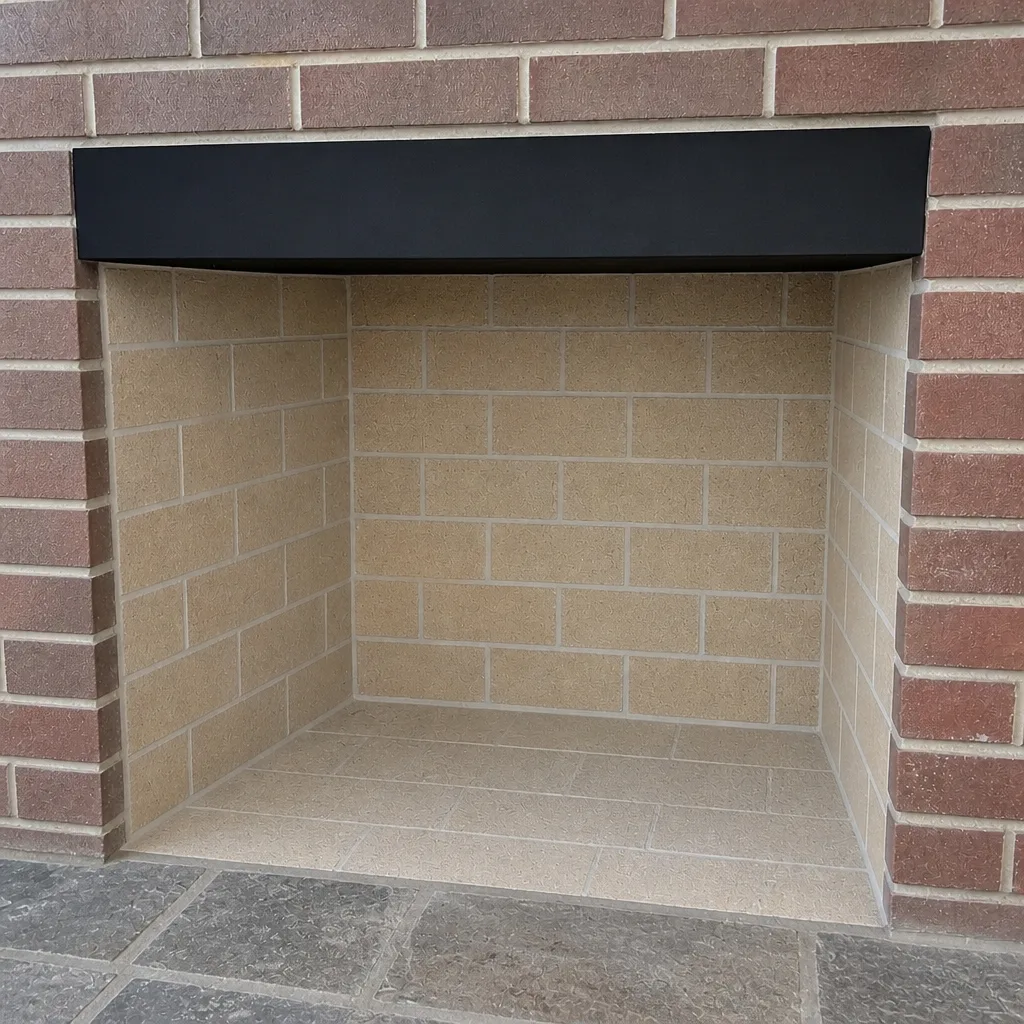
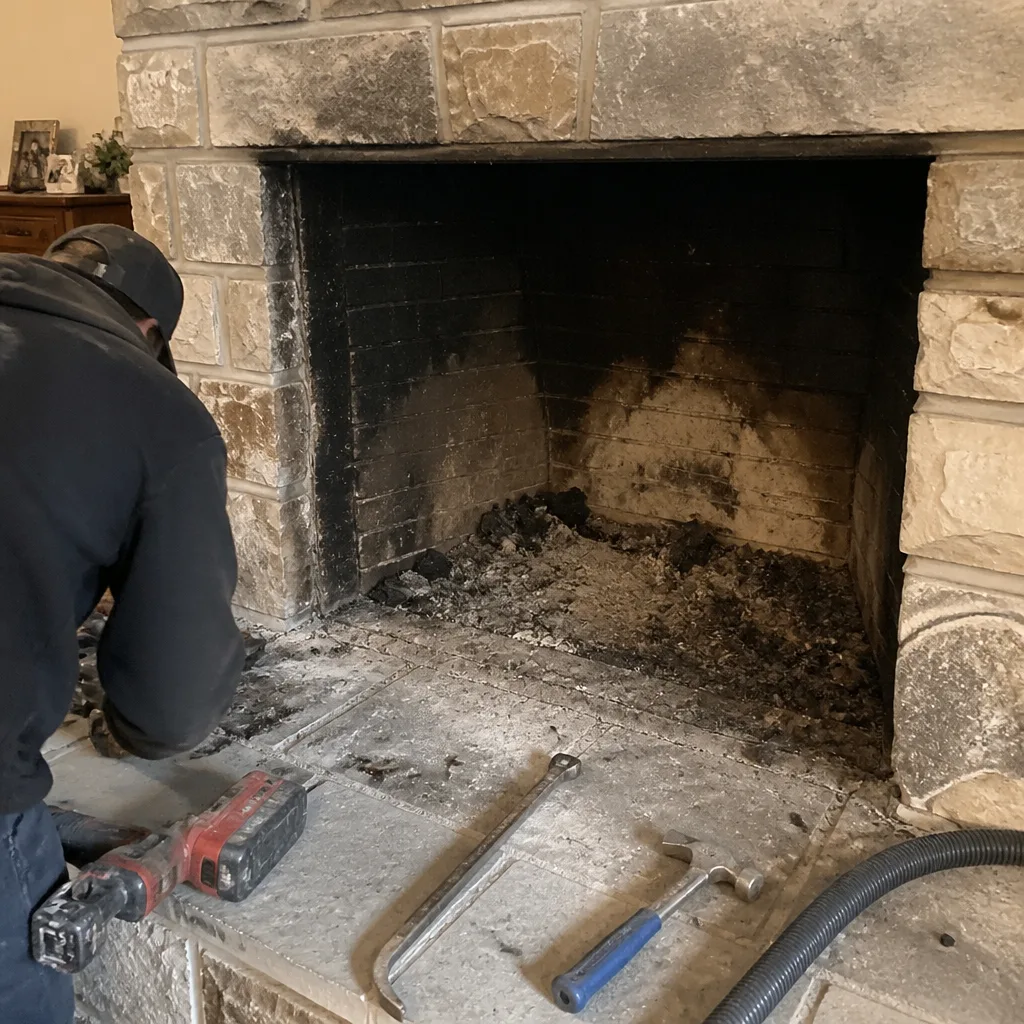
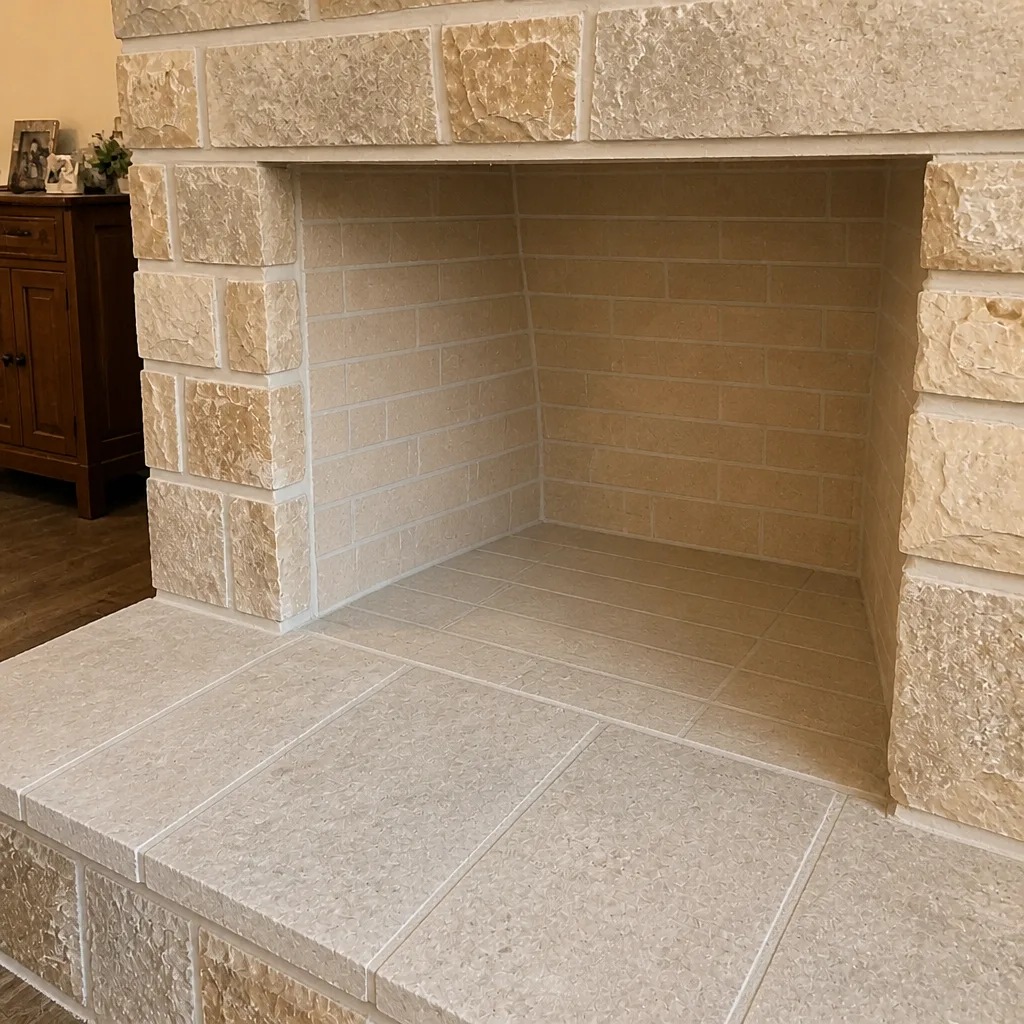
See the difference
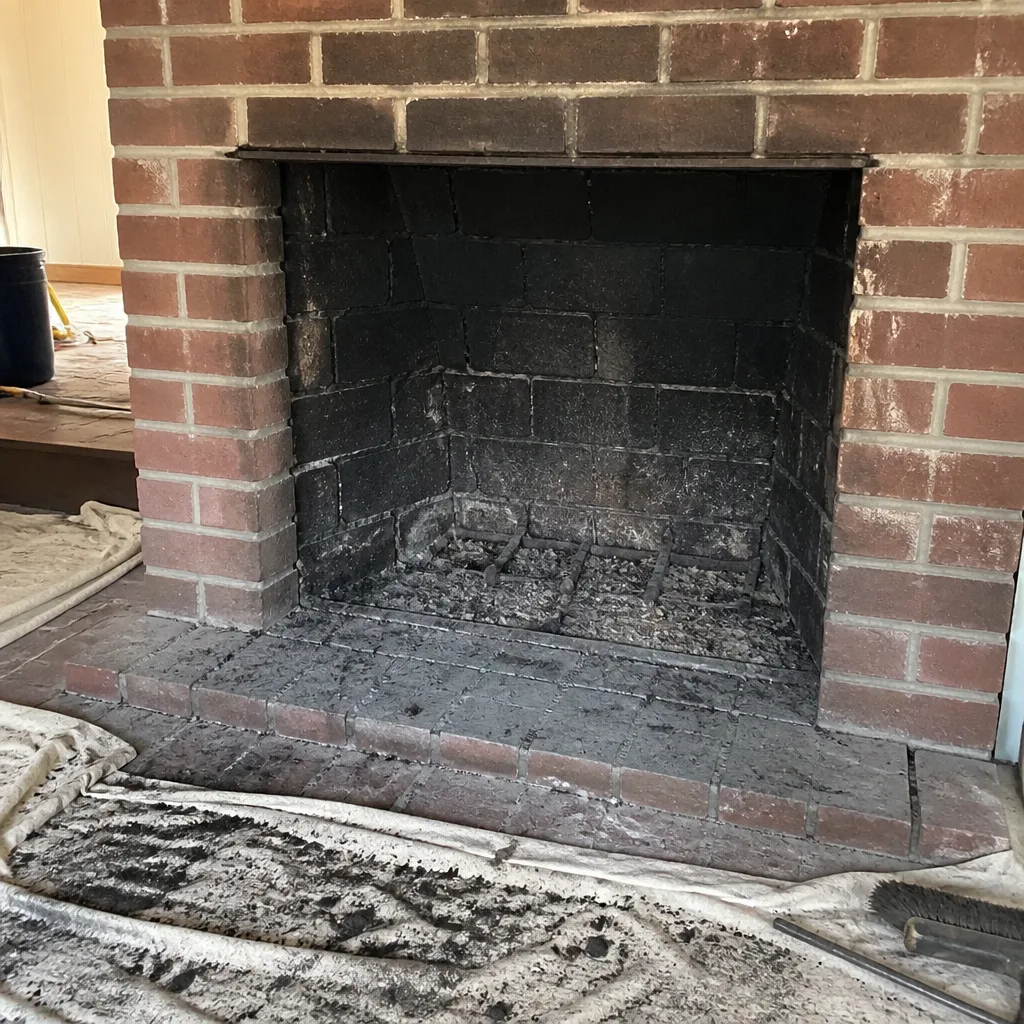 Before
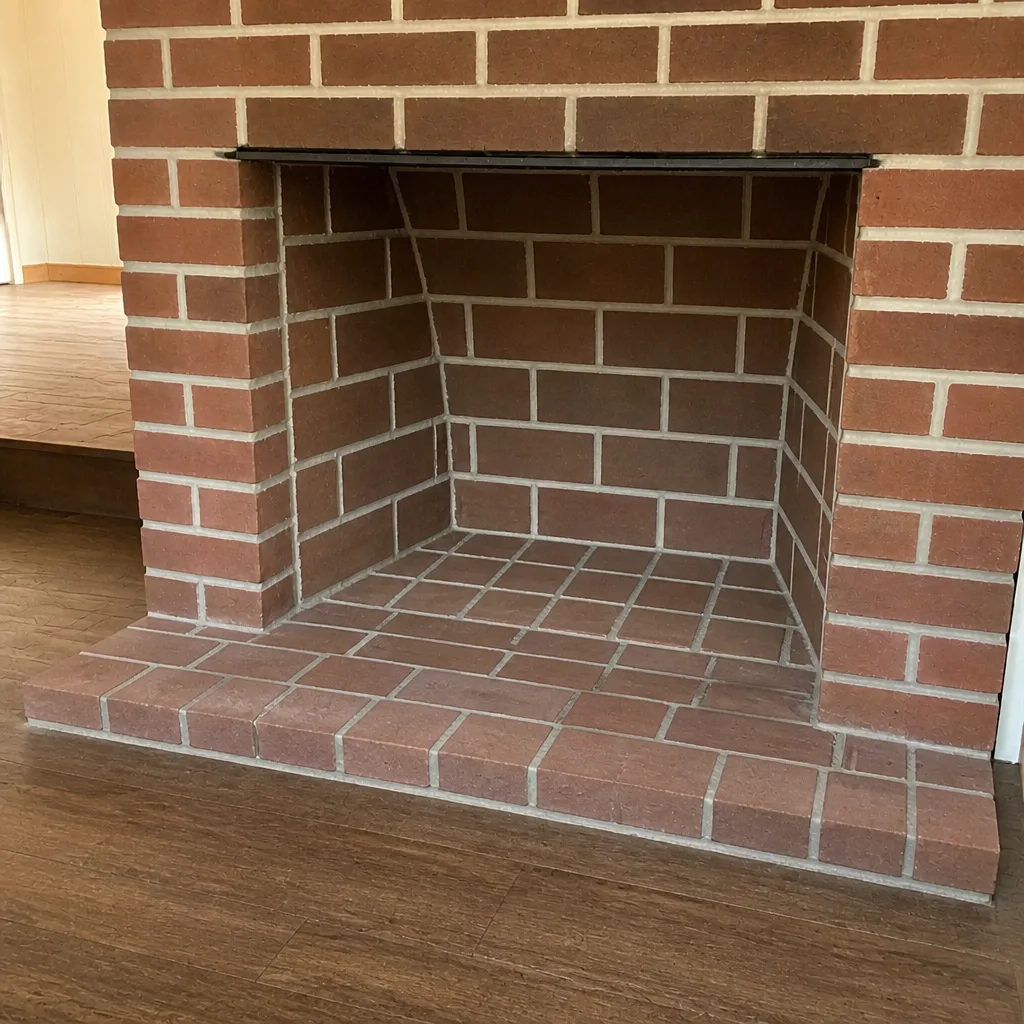 After
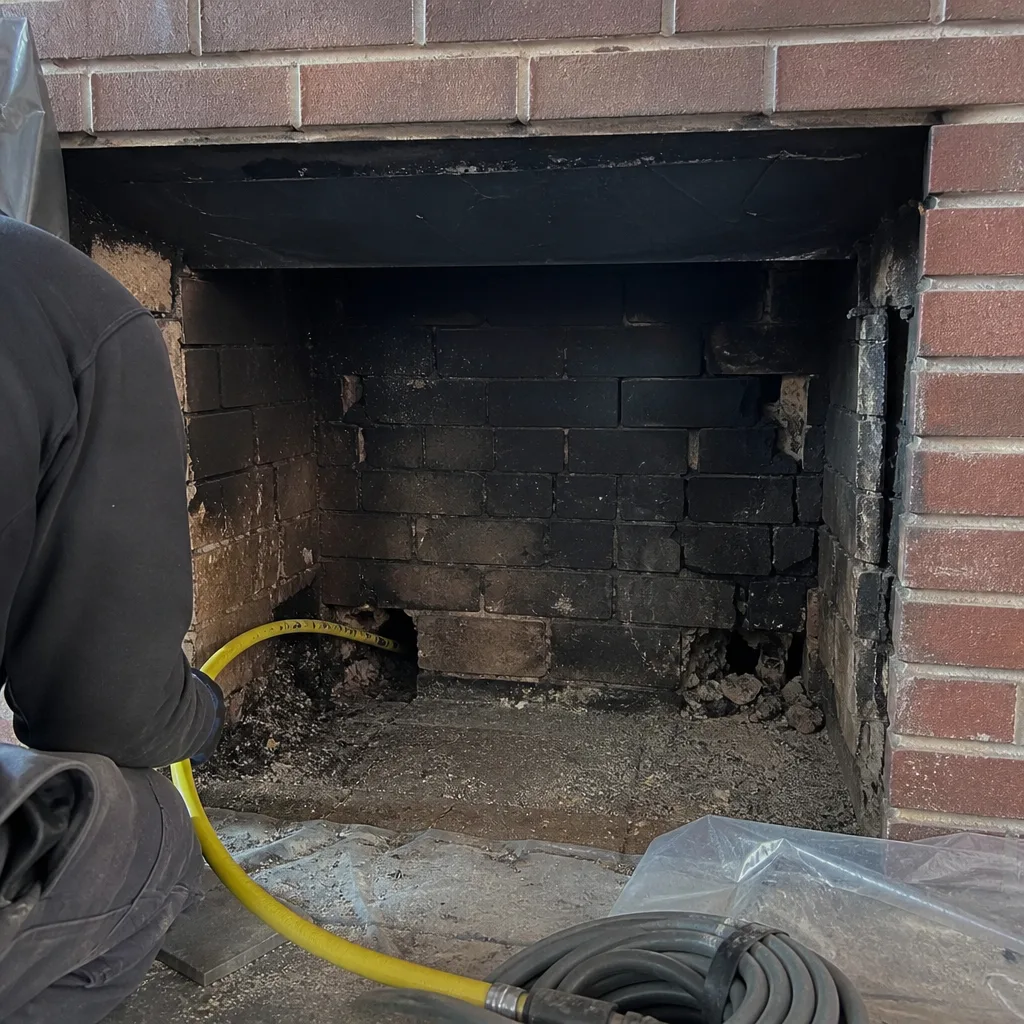 Before
 After
 Before
 After
When to Call a Professional
Call for help when you see any of the following: smoke rolling back into the room during a fire, a persistent smoke smell when no fire is burning, water staining on the chimney brick or around the firebox, visible cracking in the firebox walls, pieces of tile or mortar in the firebox, or a chimney cap that’s missing or damaged. Don’t open the damper and reach into the flue yourself – that’s a job for a trained professional with a camera and the right light. Chimney Sweep Torresdale offers free estimates in Torresdale, and the estimate is set per job by a written quote after we’ve seen what’s happening. Call (877) 812-1596. We answer 24/7. Fast dispatch from 7am to 7pm, Sunday through Friday.
Frequently Asked Questions
The most common problems in Torresdale are creosote buildup from regular fireplace use, blocked flues from birds and debris, missing or damaged caps that let water and wind in, cracked crowns on older brick chimneys, and failed flue tiles that show up as draft loss or smoke smell. Older homes tend toward the structural and moisture problems; newer ones more often have draft geometry issues tied to tight construction.
A sweep fits when the symptom is gradual draft loss, smoke smell from soot and creosote, or a known blockage with no structural signs. A repair fits when you see cracking in the firebox or damper, water staining on the exterior or near the firebox, pieces of tile in the firebox, or a missing or damaged cap. A camera inspection tells you which one you’re dealing with, which is why it should come before the brush.
A cracked or separated flue liner typically shows up as weak draft with a lingering smoke smell, visible pieces of flue tile or mortar in the firebox, or a smoke smell when the fireplace is cold. The exterior brick may also show white staining. None of these are visible from outside, so if you have any of them, the liner needs to be checked with a camera before the fireplace is used again.
Yes, a gas fireplace still needs inspection and cleaning, but the work is different from a wood-burning chimney. Gas units have their own venting components, and problems show up as odor, weak flame, or moisture inside the firebox rather than as creosote. The troubleshooting logic (symptom to component) is the same; the components are different. We handle gas fireplace repair on the same full-system basis as wood units.
A properly designed chimney cap can stop smoke backdraft caused by wind pushing down the flue, which is one of the common causes of smoky fireplaces in Torresdale. A cap won’t fix a blockage, a warped damper, or negative pressure in the house, so the correct cap is part of the troubleshooting rather than a universal fix. Having the cap evaluated alongside the sweep is the way to know.
A wood-burning chimney should be swept when there’s a meaningful accumulation of creosote, which for regular users usually means an annual cleaning and inspection, and more often for heavy use. Torresdale’s older brick chimneys benefit from an annual camera inspection even in years when the brush doesn’t come out, because the failure modes on these chimneys are structural and not always visible from the firebox. If you’re not sure when yours was last checked, that’s the answer: get it checked.
The Bottom Line
Chimney troubleshooting is a mapping exercise. Smoke backdraft, weak draft, cold-fireplace smell, visible cracking, and water staining are five different symptoms, and each one points to a specific component: cap, crown, damper, firebox, or flue liner. On older Torresdale brick chimneys, the structural and moisture failures are more common than simple creosote buildup, which is why a camera inspection is the right starting point rather than an annual sweep by default. Get the mapping right, get evidence for whatever the fix is, and get the sweep and the structural work on the same schedule. That’s the full-system approach, and it’s the one that avoids paying twice.
If you’d like a second opinion on what your chimney is telling you, get the Chimney Sweep Torresdale team out to look at it. Call (877) 812-1596 for a free estimate. We answer 24/7. Fast dispatch from 7am to 7pm, Sunday through Friday. Our technicians have up to 8 years of experience, and every recommendation comes with camera evidence you can see before anything is booked.
Written by the team at Chimney Sweep Torresdale.