
Last updated November 22, 2026
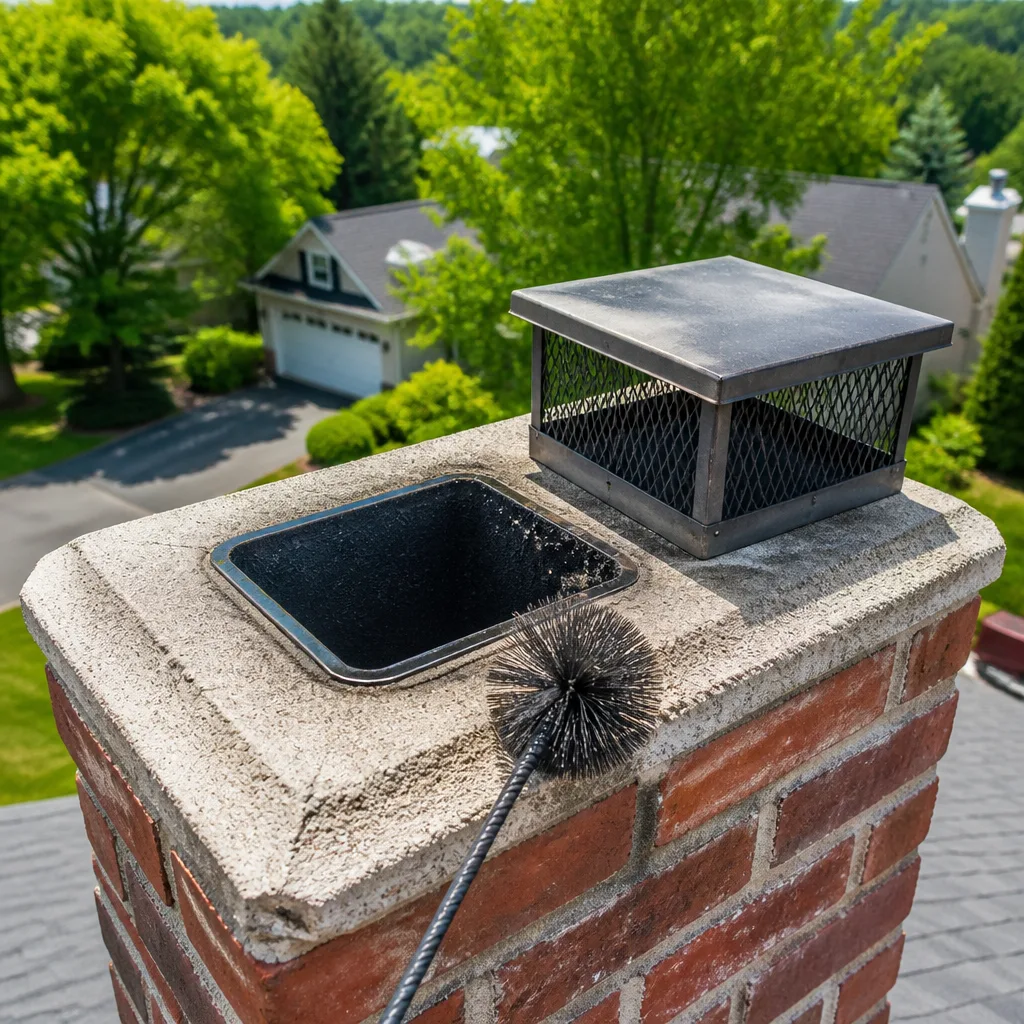 Sweep & inspection
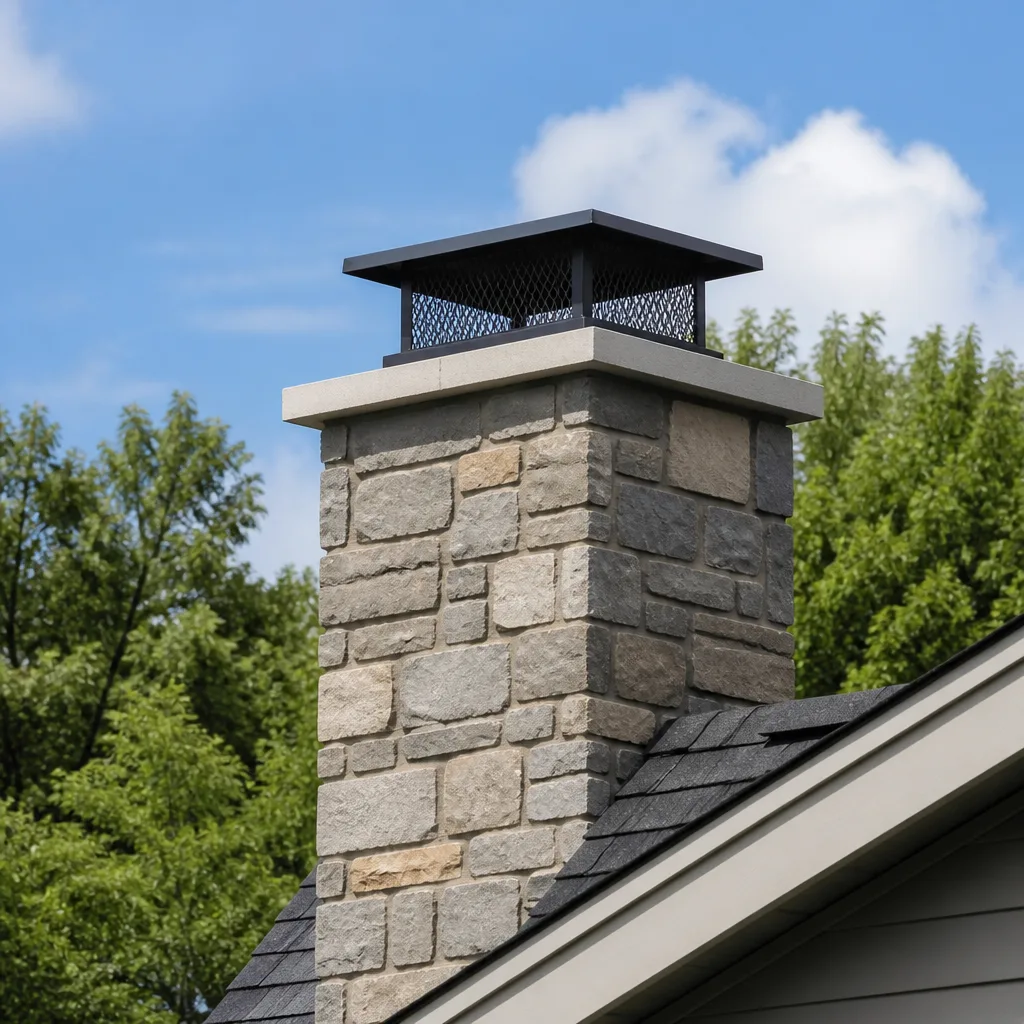 Caps & crowns
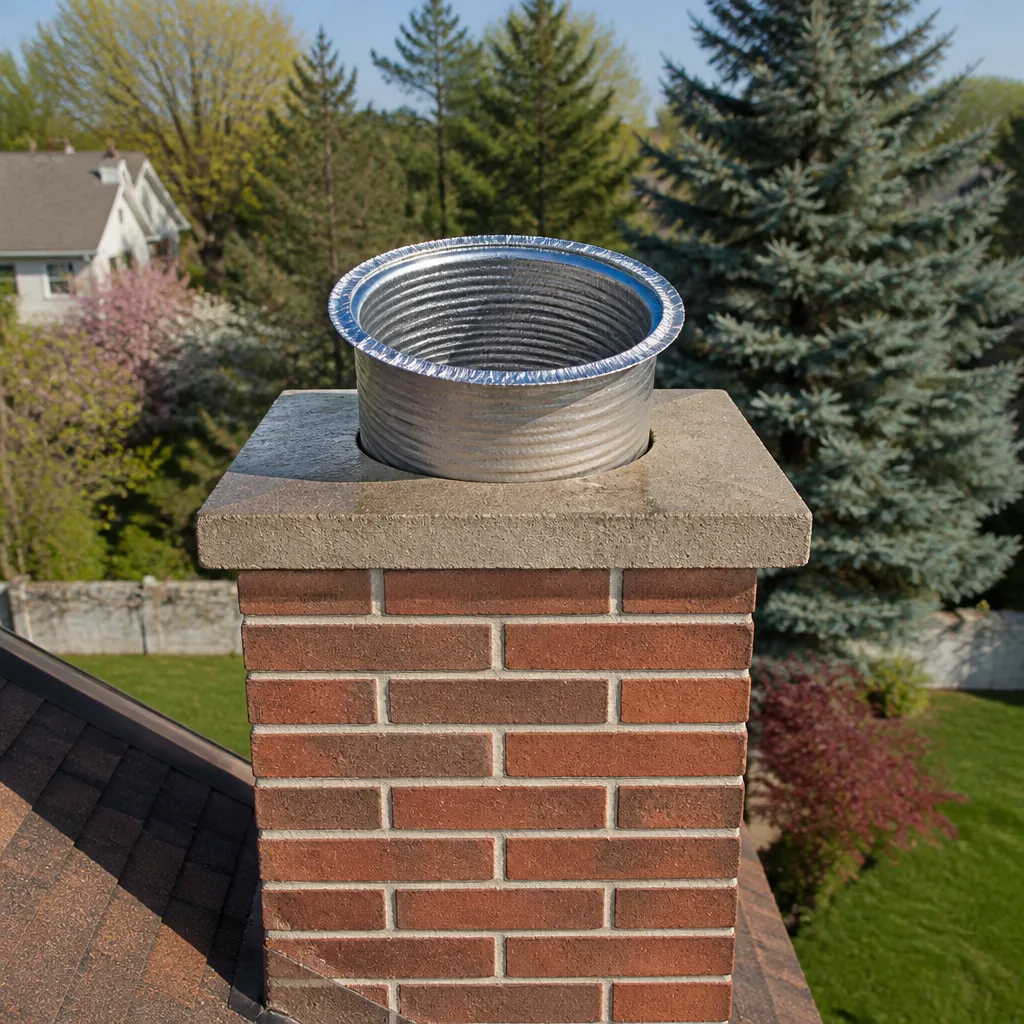 Flue relining
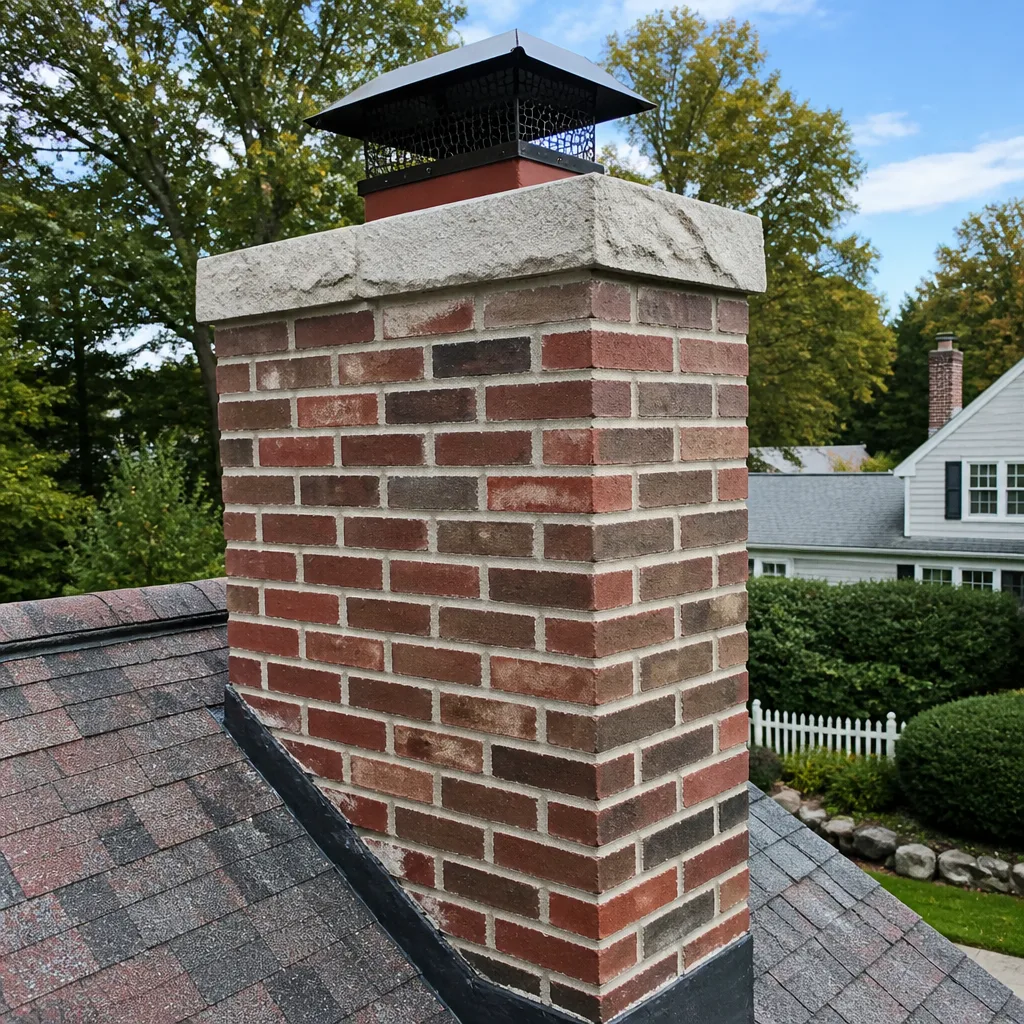 Masonry repair
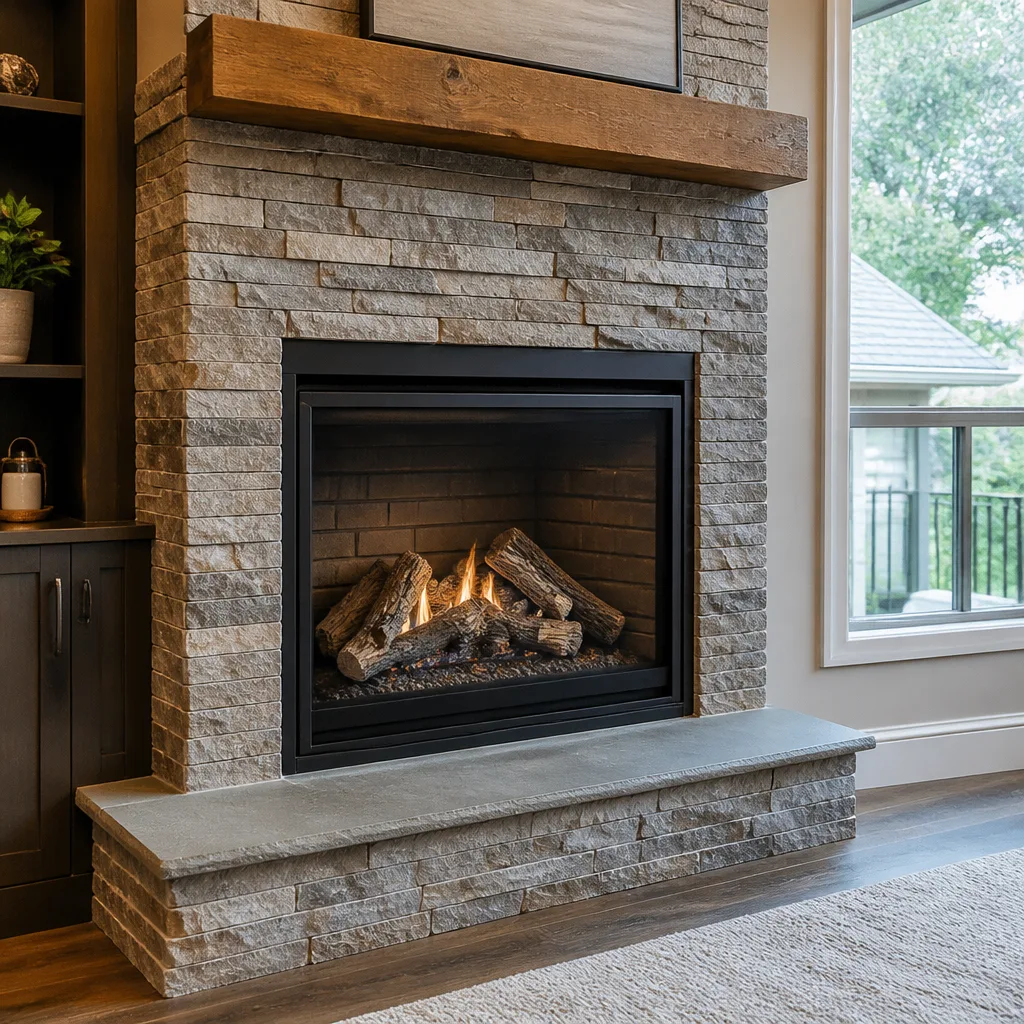 Gas fireplace service
Level 1 sweep and inspection to the NFPA 211 annual standard - flue, crown, cap, and flashing checked and photographed
Chimney sweep logs do not sweep chimneys. They loosen some creosote - which then falls where a brush and vacuum still have to collect it.
Seasonal Chimney Cleaning Care for Torresdale: Year-Round Homeowner’s Guide
Scheduling your sweep in October feels responsible. But if the flashing around your chimney failed during an August thunderstorm, you may have been heating a water-damaged liner for two months before anyone looked at it. That’s the trap of calendar-driven chimney care: it treats every system the same and assumes damage waits politely for autumn. It doesn’t. In Torresdale, where humid summers, hard freezes, and sudden storms each stress a chimney in a different way, the smartest maintenance schedule is tied to what’s actually happening to the masonry, liner, crown, and firebox through the year. This guide walks you through all four seasons, tells you which appointment most homeowners skip, and shows how catching small seasonal damage keeps a chimney out of rebuild territory.
Quick Answer
Year-round chimney care in Torresdale means matching the inspection to the season, not just booking one sweep every fall. In short: inspect the full system before heating season starts, watch for draft and freeze damage in winter, get a post-season inspection in spring to catch moisture problems early, and protect the cap, crown, and flashing through summer storm season. A system checked at each transition rarely surprises you, while one checked once a year can hide damage for months.
Styles & brands we work with
- Sweep & inspection
- Caps & crowns
- Flue relining
- Masonry repair
- Gas fireplace service
Table of Contents
- Why Seasonal Care Beats a Once-a-Year Sweep
- Fall: The Pre-Season Inspection Goes Beyond Creosote
- Winter: Draft Problems, CO Risk, and Freeze Damage
- Spring: The Most Skipped Appointment in Chimney Care
- Summer: Caps, Crowns, and Storm-Season Flashing Failures
- The Cost Argument for Catching Damage Early
- Your Torresdale Seasonal Checklist at a Glance
- Common Mistakes to Avoid
- When to Call a Professional
Why Seasonal Care Beats a Once-a-Year Sweep
Most homeowners think of chimney maintenance as one event: the annual sweep. That model works fine for a chimney in perfect condition that only ever deals with creosote. Real chimneys deal with much more. A chimney is a stack of different materials, each responding to weather differently. The masonry shell expands and contracts with temperature swings. The crown, a concrete cap at the very top, takes the brunt of rain and freeze-thaw cycles. The liner sits inside, protected from weather but exposed to heat, moisture vapor, and the corrosive byproducts of combustion. The flashing where the chimney meets the roof is the seam most likely to fail quietly.
Each of these components has a season when it’s most vulnerable. Summer storms test the flashing and crown. Freeze events in January and February work on saturated masonry. The heating season itself loads the liner and smoke chamber. If you only look at the system in October, you’re checking it after months of unmonitored stress and right before you add more.
Condition-driven care flips that. Instead of asking “is it October yet?” you ask “what has the system been through since I last looked?” That’s a different set of questions, and in our experience it’s the difference between a routine sweep and discovering a cracked crown that’s been funneling water into the chimney for a full season.
For a Torresdale homeowner with an older house, this matters more, not less. Older chimneys often have original construction details that have already been patched once or twice, and those patches age at different rates than the surrounding material. A seasonal eye on the system catches the patch that’s starting to fail before it takes the original masonry with it. If you want the foundational service that everything else builds on, a proper chimney sweep is where the assessment starts.
Fall: The Pre-Season Inspection Goes Beyond Creosote
A fall inspection isn’t just a creosote check. It’s the one look you get at the whole system before you start lighting fires, and it should cover components that a sweep-only visit often skips: damper seating, smoke chamber condition, and liner integrity after a summer of heat cycling and humidity.
Here’s what a thorough pre-season inspection should actually cover:
- Damper seating. The damper plate should close flush and seal. A damper that’s warped, rusted, or no longer seating properly lets conditioned air escape up the flue all winter and lets cold air and moisture down when the fireplace is idle. It’s a small part with an outsized effect on how the fireplace performs.
- Smoke chamber parging. The smoke chamber is the tapered space above the firebox that funnels smoke into the flue. Its walls are supposed to be smooth. Rough, crumbling, or gapped parging creates turbulence that slows smoke and gives creosote a place to collect. This is a spot many sweep-only visits never touch.
- Liner integrity. After a summer of heat cycling and humidity, the liner should be checked for cracks, gaps at the joints, and any sign of moisture exposure. A clay tile liner with a hairline crack is not the same as a sound one, and the difference matters once you’re burning again.
- Creosote level. The classic reason for the sweep. Glazed creosote is the stage that resists a standard brush, and it’s the stage that raises the risk of a chimney fire.
- Cap and crown condition. A cracked crown or a missing cap screen is far cheaper to address in September than after a winter of water intrusion.
- Flashing and roof seam. Look at where the chimney meets the roof. That’s where the August storms did their work.
If the liner turns out to be damaged, we install DuraFlex flexible liner systems, and for firebox or flue tile damage we apply HeatShield restoration, which can often save a chimney from a full rebuild. Catching it in fall, before the first fire, is the cheapest possible timing.
Winter: Draft Problems, CO Risk, and Freeze Damage
Winter is when a chimney shows you what it’s made of. Cold air outside and a warm flue inside is exactly the condition a chimney is designed to work in, but it’s also when small problems become obvious, or dangerous.
Draft problems tend to surface in winter for a simple reason: the temperature difference between inside and outside is at its largest, and a marginal flue that seemed fine in October can start smoking, back-puffing, or refusing to draw. Common causes include a partially blocked flue, a smoke chamber with rough parging, a damper that won’t open fully, or a liner that’s lost its smooth interior. If your fireplace smokes on cold mornings but behaved all fall, that’s a draft signal, not a quirk.
Carbon monoxide is the winter risk that deserves a direct word. A chimney that vents properly carries combustion gases up and out. A chimney with a blocked flue, a damaged liner, or a cracked smoke chamber can let those gases back into the living space. The indicators worth knowing:
- Headaches, nausea, or drowsiness that show up only when the fireplace or heating appliance has been running.
- A fire that burns poorly, with a lazy flame or excessive smoke in the room.
- Soot or dark staining around the fireplace opening or on the chimney breast.
- Unusual odors when the fireplace isn’t even in use, which can signal a blocked flue.
These are reasons to stop using the fireplace and get the system looked at, not things to ignore until spring. Install CO alarms on every level of the home as a backstop; that’s basic safety, and it doesn’t replace an inspection.
Winter is also when heavy freeze events work on masonry and crowns. Water that got into the crown or the masonry joints during the fall expands when it freezes, and each cycle widens the crack a little. By February, a hairline crack in December can be a real opening. Torresdale gets cold enough, often enough, that this matters. A crowned chimney that sheds water properly survives the winter; one with a failed crown doesn’t.
Spring: The Most Skipped Appointment in Chimney Care
Spring is the appointment almost nobody books, and it’s the one that catches moisture damage before it compounds through the humid summer. Here’s the logic: the heating season is over, the system has just been through months of heat and freeze cycles, and you now have a window to fix problems before summer humidity works on them.
What the heating season leaves behind is mostly moisture-related. Hot flue gases carry water vapor. When the flue cools, that vapor condenses on the inside of the liner or on the masonry. Add humidity-heavy summer conditions, and any weak spot becomes the place water collects and damage grows. A spring inspection looks at exactly those weak spots:
- Liner joints and cracks. Heat cycling stresses the liner. Spring is the moment to catch a crack before summer humidity gets into it.
- Masonry joints and mortar. Freeze-thaw cycles from winter leave mortar joints open. Repointing in spring is cheaper than dealing with a saturated masonry wall in August.
- The crown. A crown that cracked over winter is a funnel for rain all summer long. This is why crown repair is a spring task, not an autumn one.
- The firebox. Heat and ash take a toll on firebox brick and mortar over a season. Damaged firebox walls can often be restored with HeatShield rather than rebuilt, but only if someone looks.
- The smoke chamber. Creosote and condensation both collect here. A spring cleaning keeps it from sitting all summer.
Skip the spring appointment and you’re letting whatever winter left behind work on the chimney through the wettest, most humid part of the year. The chimney doesn’t get a break. It just gets deferred maintenance that shows up in fall, at the worst possible moment. That’s why in our experience, the homeowners who catch the most damage are the ones who take the spring look seriously.
Summer: Caps, Crowns, and Storm-Season Flashing Failures
Summer is cap and crown repair season, and it’s also when the flashing that failed in a thunderstorm gives you the warning sign most homeowners miss. Rain doesn’t always enter where you think it does. It finds the seam or crack that opened months earlier, and often the first evidence is a stain on the ceiling far from the fireplace.
Torresdale’s storm season loads the chimney from the top down. Heavy rain hits the cap and crown first. Wind-driven rain finds every gap at the chimney-to-roof seam. Persistent summer humidity keeps the masonry saturated and the interior liner damp long after the storm has passed. The top of the chimney takes all of this, which is why summer is when cap and crown condition should be checked directly.
Here’s what to look for, in plain terms:
- Cap. A cap that’s loose, rusted, missing its screen, or out of position is letting rain and animals into the flue. It’s one of the cheapest fixes in chimney care and one of the most protective. We install professional-grade cap products including Gelco, Famco, and Olympia Chimney, the kind of components that hold up better than hardware-store replacements.
- Crown. Look for cracks, crumbling at the edges, or a crown that’s pulling away from the flue. The crown is the chimney’s own roof and its main defense against water intrusion.
- Flashing. The roof seam where the chimney meets the shingles. Look for lifted metal, gaps, or missing sealant. A flashing failure lets water into the roof structure, not just the chimney, which is why it’s worth a dedicated look each summer.
- Interior warning signs. Ceiling or wall stains near the chimney, water marks on the fireplace face, rust on the firebox components, or a musty smell in a room with a chimney on the wall.
If you spot interior signs, get the system checked before the next storm. Water that’s been getting in for a full season does more structural work than water caught early. Our chimney cap & crown work is built around exactly this preventive angle: protect the structure you already have instead of waiting for failure.
The Cost Argument for Catching Damage Early
A seasonal problem caught early is almost always cheaper than the same problem caught late. That’s not a slogan; it’s how chimneys fail. Damage progresses through predictable stages, and each stage costs meaningfully more to correct than the one before it.
Put it in order of escalation:
- A cracked crown. Small, visible, fixable in a single visit. If ignored through a full year of rain, water finds its way into the masonry.
- Saturated masonry and open mortar joints. Repointing and sealing becomes a larger job than a crown repair. Still, the fix is on the outside of the system.
- Moisture-damaged liner. Now the water has reached the inside. Clay tile cracks or spalls, and the liner needs replacement. A DuraFlex liner install handles this properly, but the job is bigger than the original crown repair would have been.
- Failed firebox or smoke chamber. The damage is now in the parts that are hardest to reach. Restoration with HeatShield can save a lot of money against a full rebuild, but only if the damage is caught while restoration is still possible.
- Rebuild. The most expensive outcome, and the one that a seasonal inspection and a crown repair years earlier usually prevents.
The pattern to understand is that a chimney’s cost of repair rises faster than its cost of maintenance. An inspection that finds a cracked crown costs very little. The same cracked crown, ignored across two or three wet seasons, is part of a much bigger bill. In Torresdale, where the freeze-thaw cycle and humid summers both work on the masonry, catching problems early is the main way to stay ahead of that curve.
That’s the argument for treating chimney repair as prevention rather than reaction. The homeowner who fixes a crown in September is often the homeowner who never needs a rebuild at all.
Your Torresdale Seasonal Checklist at a Glance
Here’s the whole cycle in one place, arranged by season and what each one is trying to catch:
- Fall (before first fire): full pre-season inspection covering creosote, damper seating, smoke chamber parging, liner integrity, cap and crown, and flashing. This is the sweep plus the looking-over that catches what a sweep alone misses.
- Winter (during heating season): watch for draft problems, smoke in the room, soot staining, and CO symptoms. Keep CO alarms on every level. After any hard freeze, glance at the crown and masonry for new cracks.
- Spring (after heating season): post-season inspection focused on moisture damage: liner joints, mortar, crown, firebox, and smoke chamber. The most skipped appointment, and the one that catches damage before summer humidity makes it worse.
- Summer (storm season): cap and crown condition, flashing at the roof seam, and any interior warning signs of water intrusion. Fix what the storms exposed before the next round.
Two things tie the list together. First, every season’s task is about catching something the previous season set in motion. Second, the tasks aren’t all “call a sweep.” Some are visual checks you can do yourself, like looking for a cracked crown from the ground or spotting a ceiling stain. Others, like anything involving the liner, smoke chamber, or the top of the flue, need a trained technician, both for accuracy and for safety.
If you’re building a calendar, the practical version is simpler than it sounds: two professional inspections a year (fall and spring) plus your own visual checks through winter and summer. That structure keeps the whole system covered without turning maintenance into a full-time job.
Common Mistakes to Avoid
- Booking the sweep and calling it the inspection. A sweep removes creosote. An inspection evaluates the whole system: crown, cap, flashing, damper, smoke chamber, liner, firebox. Skipping the second part means you clean the flue and miss the cracked crown two feet away.
- Waiting until the first cold snap to call. Fall is the busiest season for chimney work. Scheduling in late summer means the assessment happens before you need the fireplace, not after.
- Skipping the spring look. It’s the appointment most homeowners forget, and it’s the one that catches winter’s moisture damage before summer makes it worse. In Torresdale’s climate, this is the difference between a repoint and a saturated wall.
- Repairing the cap with consumer hardware. A hardware-store cap corrodes and fails faster than a professional-grade product. We install components from lines like Gelco, Famco, and Olympia Chimney precisely because the cheap version costs more over time.
- Ignoring a cracked crown because it’s “just cosmetic.” The crown is the chimney’s roof. A crack in it is a funnel for rain into the masonry and liner. It is never just cosmetic.
- Treating chimney fire signs as a one-time scare. A puffy, glazed creosote layer, warped damper, or cracked flue tile after a chimney fire is a signal to have the whole system inspected, not just brushed. The fire may have been small; the damage it left may not be.
- Assuming a gas fireplace is exempt. A gas fireplace vents combustion byproducts too. It needs its own inspection rhythm. Skipping it lets the flue or vent deteriorate without anyone watching.
When to Call a Professional
Some chimney work is fine to notice yourself and schedule at your convenience. Some needs a call now. Get a professional involved promptly if you see smoke backing into the room, smell combustion gases when the fireplace is off, notice soot or dark staining on the chimney breast, or spot water stains near the chimney after a storm. Those are signs that the system’s venting or water protection has already failed somewhere, and the fix gets harder the longer you wait. The same applies if you’ve had a chimney fire, even a small one: the flue needs a real inspection, not just a brush. And in Torresdale, where an older chimney may already have been repaired once, a single seasonal inspection a year is worth the visit simply because older systems hide their problems well. Chimney Sweep Torresdale offers free estimates in Torresdale. Call (877) 812-1596. We answer 24/7. Fast dispatch from 7am to 7pm, Sunday through Friday.
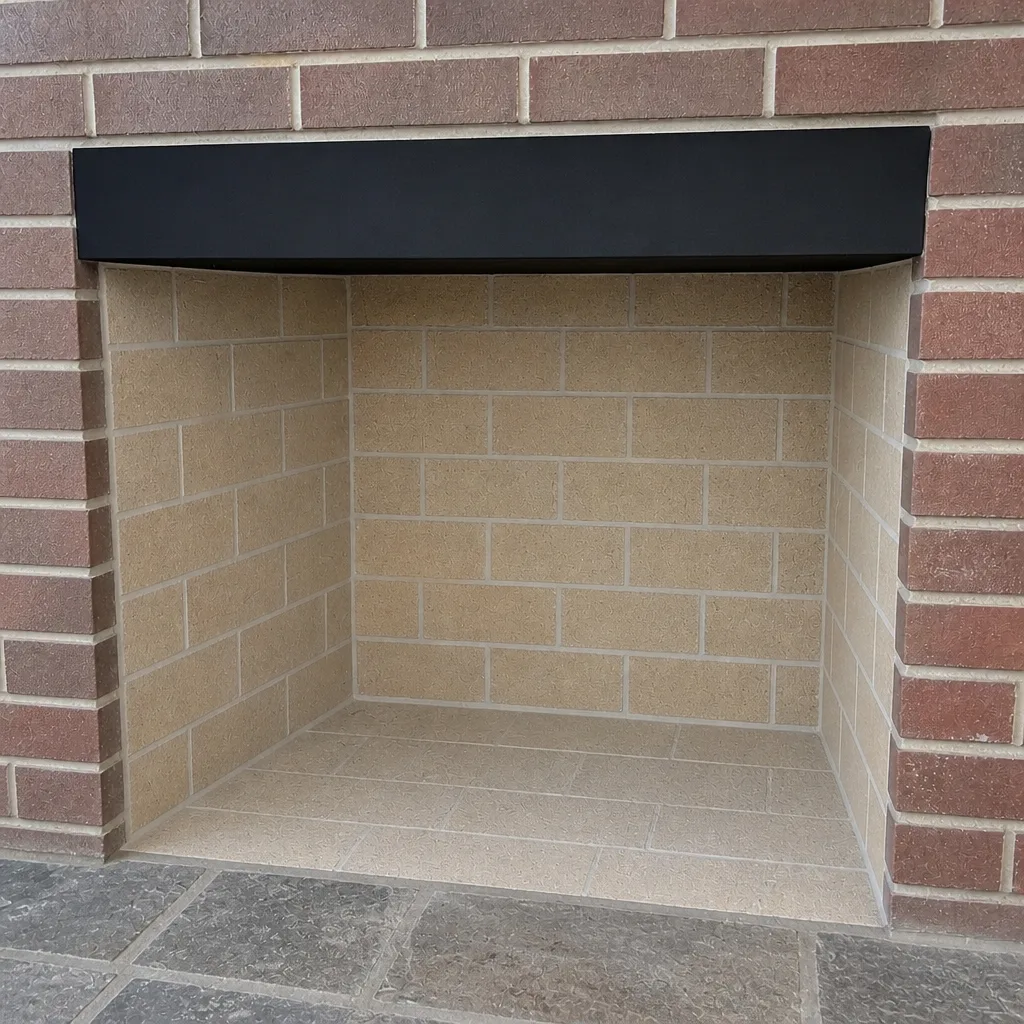
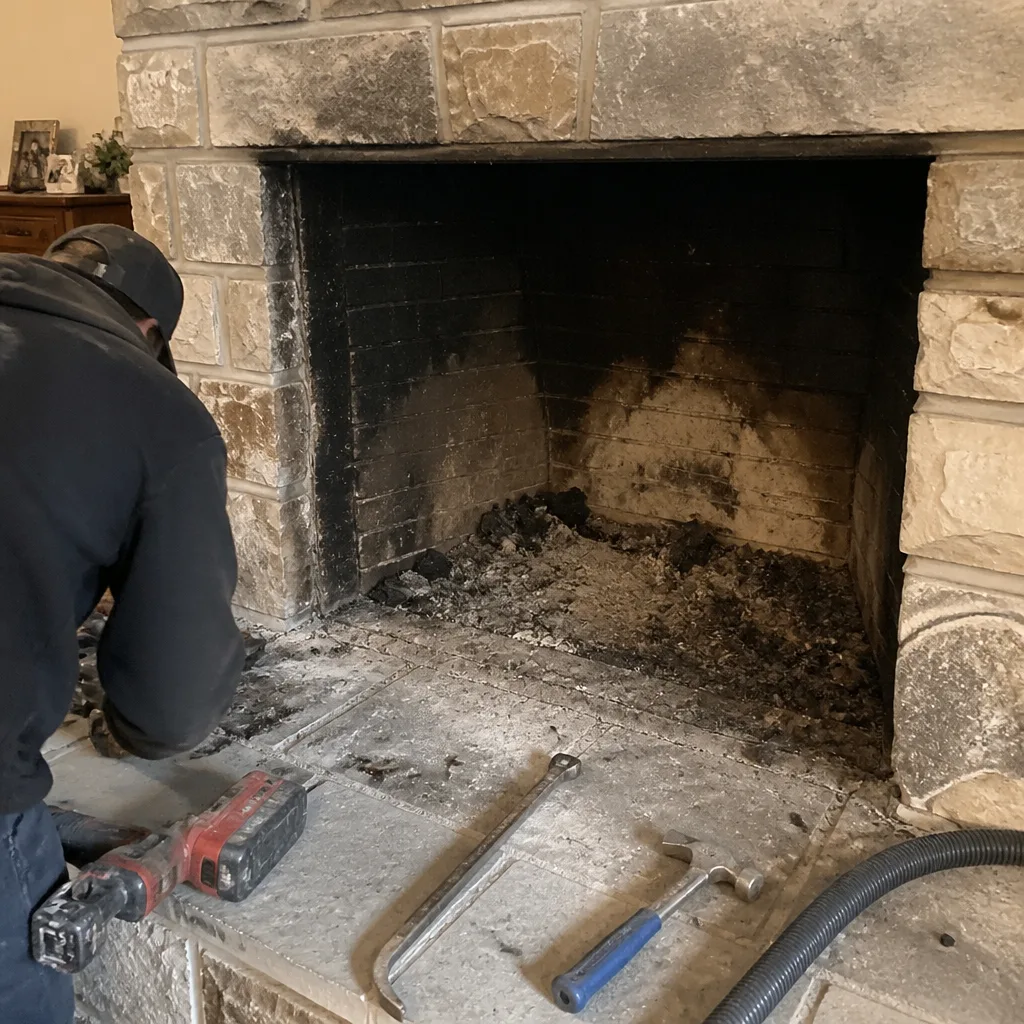
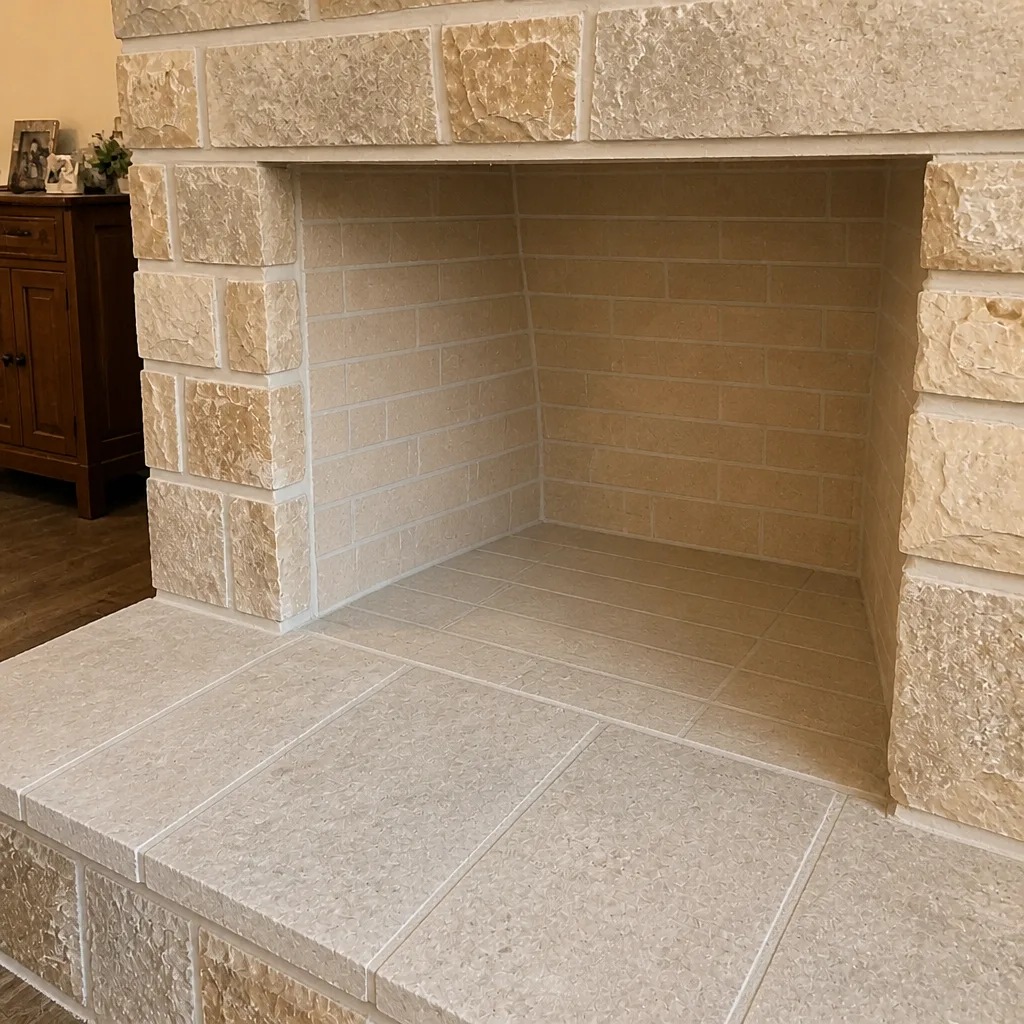
See the difference
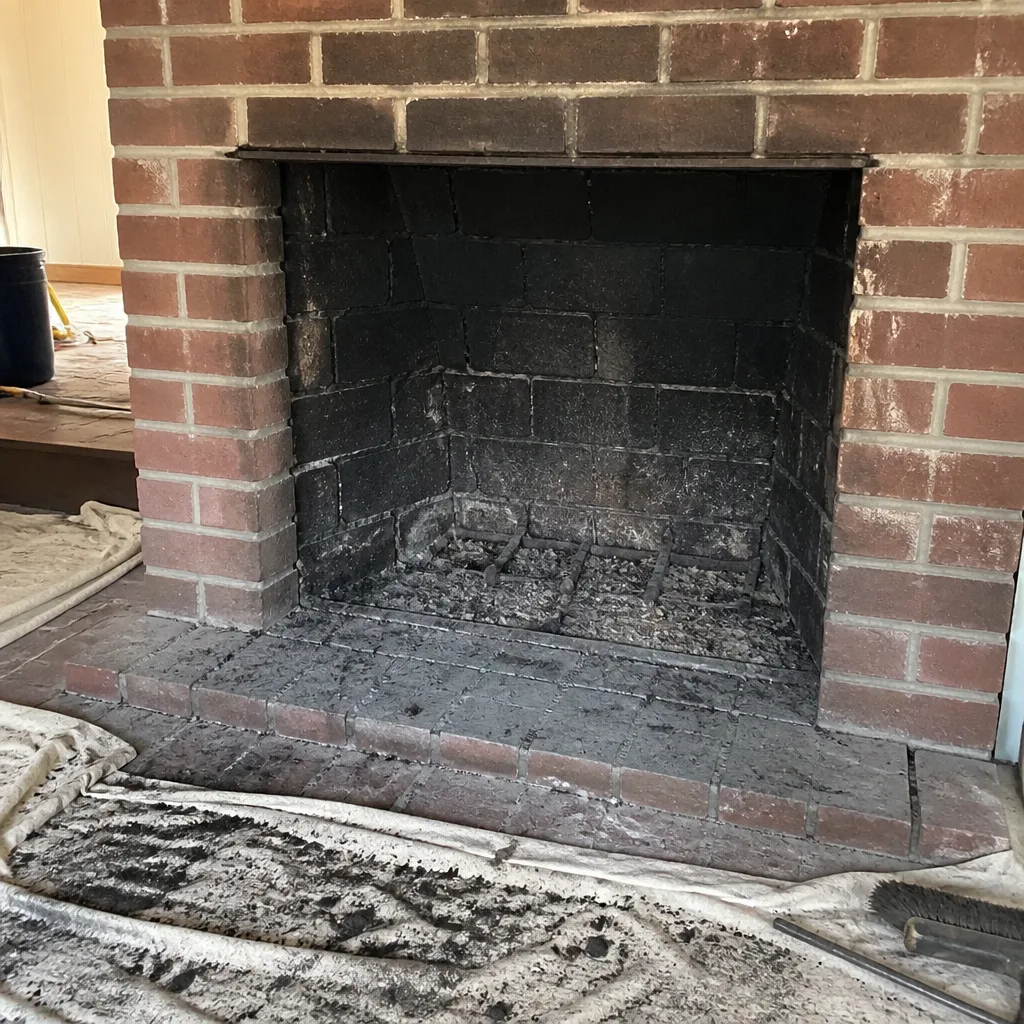 Before
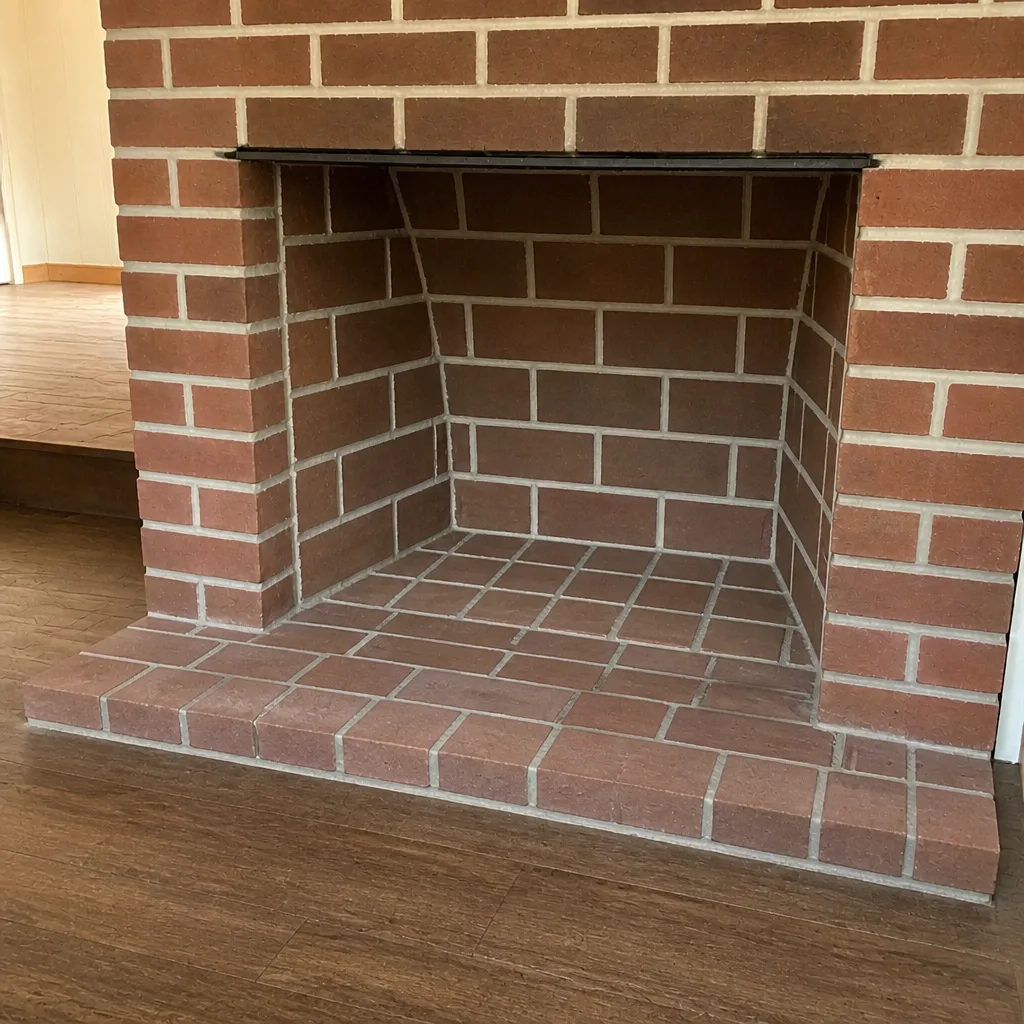 After
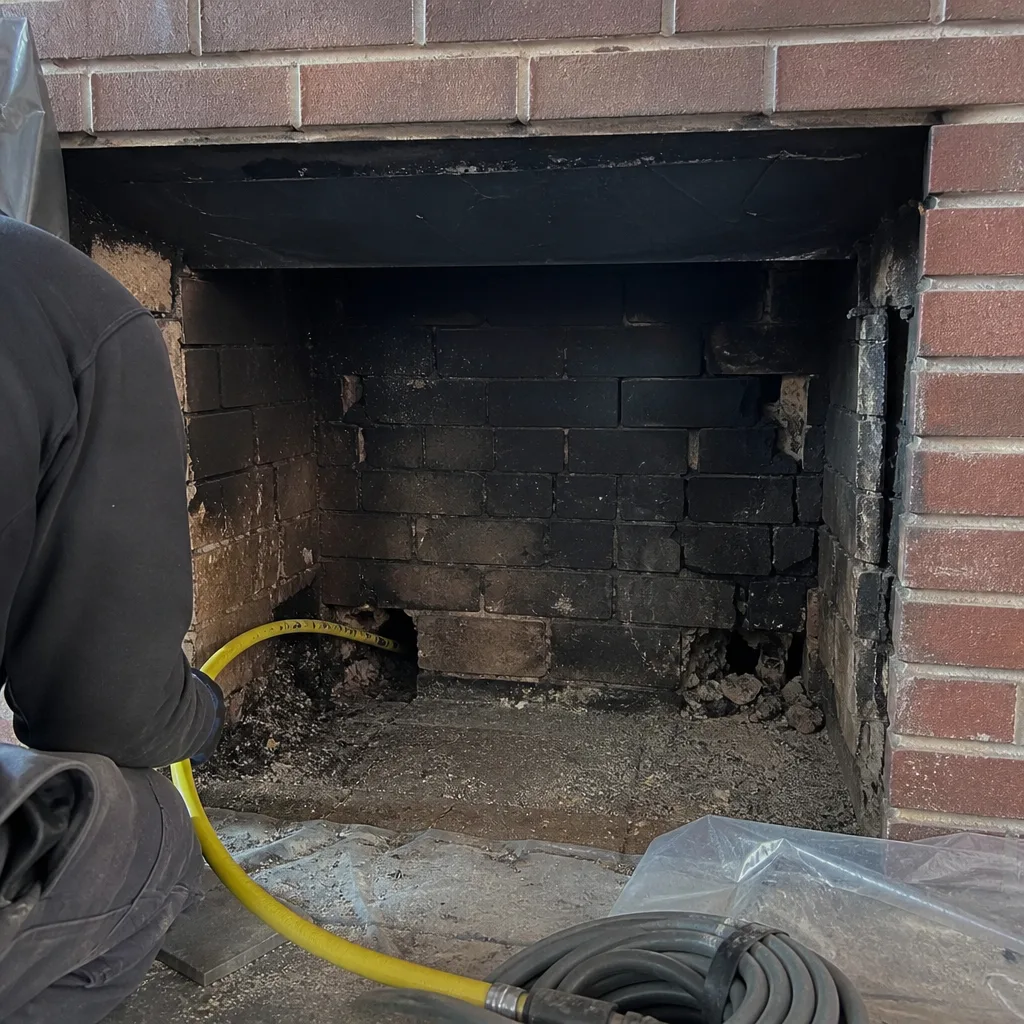 Before
 After
 Before
 After
Frequently Asked Questions
Most wood-burning chimneys should be swept once a year, and the start of heating season is the natural time. But how often is really a condition question, not a calendar one. If you burn frequently, or you’ve missed inspections, the chimney may need a look sooner. We answer 24/7 and can talk through what your chimney has been through since the last inspection. Call (877) 812-1596.
Damage compounds quietly. A crown crack that would have been a small repair lets water into the masonry and liner over a season or two. Creosote builds to glazed levels that resist a standard brush and raise chimney fire risk. A marginal damper lets warm air escape and cold air in all winter. Each of these is cheaper caught in its first season than in its second. Call (877) 812-1596 for a free estimate, and we’ll tell you honestly what the system needs.
Not always. A liner is replaced when it’s genuinely damaged: cracked clay tiles, gaps at the joints, spalling from moisture, or a failure found during inspection. HeatShield restoration handles some firebox and flue tile damage without a full rebuild, and that’s often the cost-saving option worth asking about. We install DuraFlex flexible liner systems when a full replacement is the right answer. Call (877) 812-1596 and we’ll show you what the inspection found before we recommend anything.
Yes. A gas fireplace vents combustion byproducts and needs its own inspection rhythm, separate from a wood-burning chimney. The flue or vent can deteriorate and the burner assembly can develop problems that don’t show up on the outside. We cover fireplace repair alongside the chimney system itself, so gas and wood setups get the full vent path checked. Call (877) 812-1596 to schedule an inspection.
Every job is priced individually. A sweep is one thing, a crown repair another, and a liner install or a rebuild another entirely. We don’t quote a number over the phone because the right number depends on what’s actually found during inspection. The estimate is free, and the written estimate sets the final price. Call (877) 812-1596 for an exact quote.
Smoking on cold mornings usually signals a draft problem, not a quirk. The temperature difference between inside and outside is at its largest, and a marginal flue starts to show weakness it can hide on milder days. Common causes include rough smoke chamber parging, a damper that doesn’t open fully, or a liner that’s lost its smooth interior. It’s worth a professional look. Call (877) 812-1596 and we’ll diagnose it properly.
The Bottom Line
Chimney care in Torresdale works best as a seasonal rhythm, not a single appointment. The fall inspection catches the pre-season issues before you burn. Winter monitoring watches for draft problems, CO risk, and freeze damage. The spring look catches winter’s moisture damage before summer humidity compounds it. Summer asks you to check the cap, crown, and flashing before storms test them again. Each task is cheap compared to the stage it prevents. A short inspection now is a crown repair later if you wait, or a rebuild if you wait longer. The system rewards attention in proportion to how early it comes. Call (877) 812-1596. We answer 24/7. Fast dispatch from 7am to 7pm, Sunday through Friday.
Written by the team at Chimney Sweep Torresdale.