
Last updated November 22, 2026
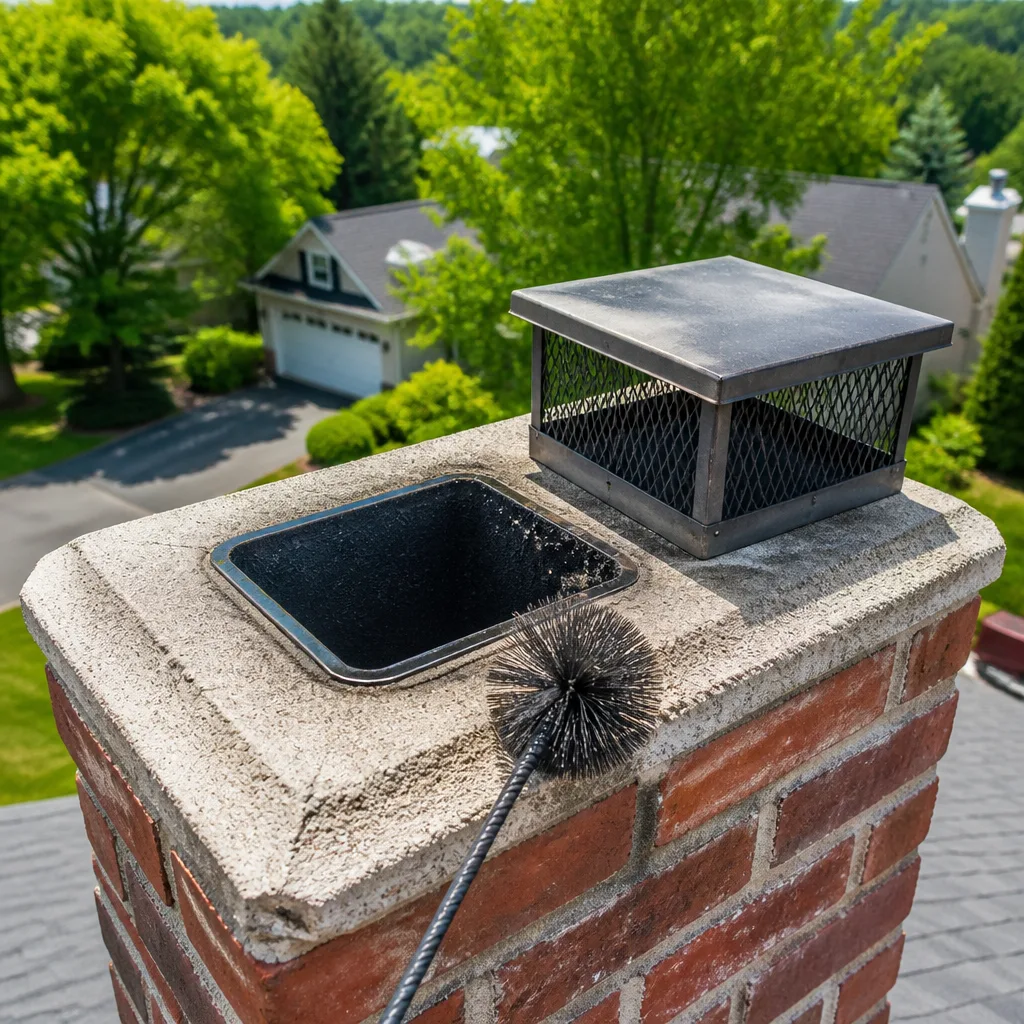 Sweep & inspection
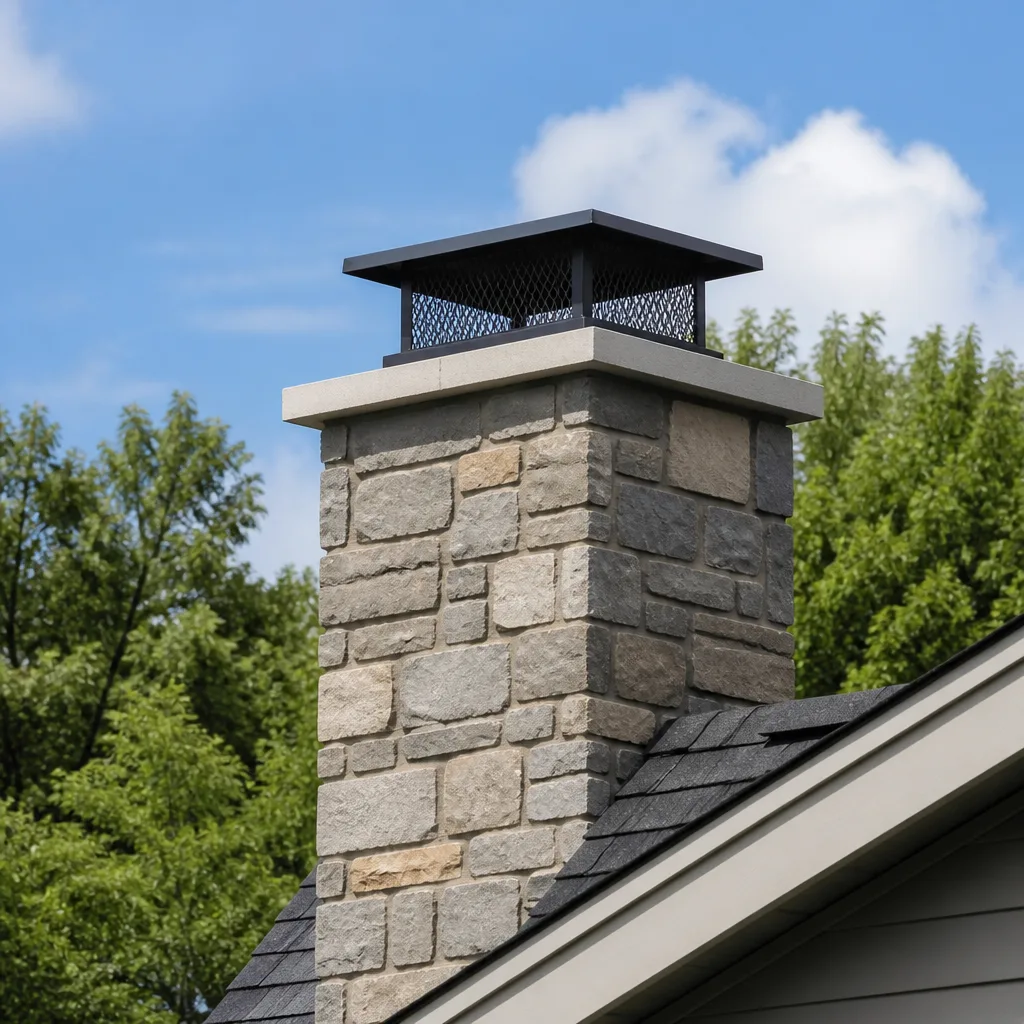 Caps & crowns
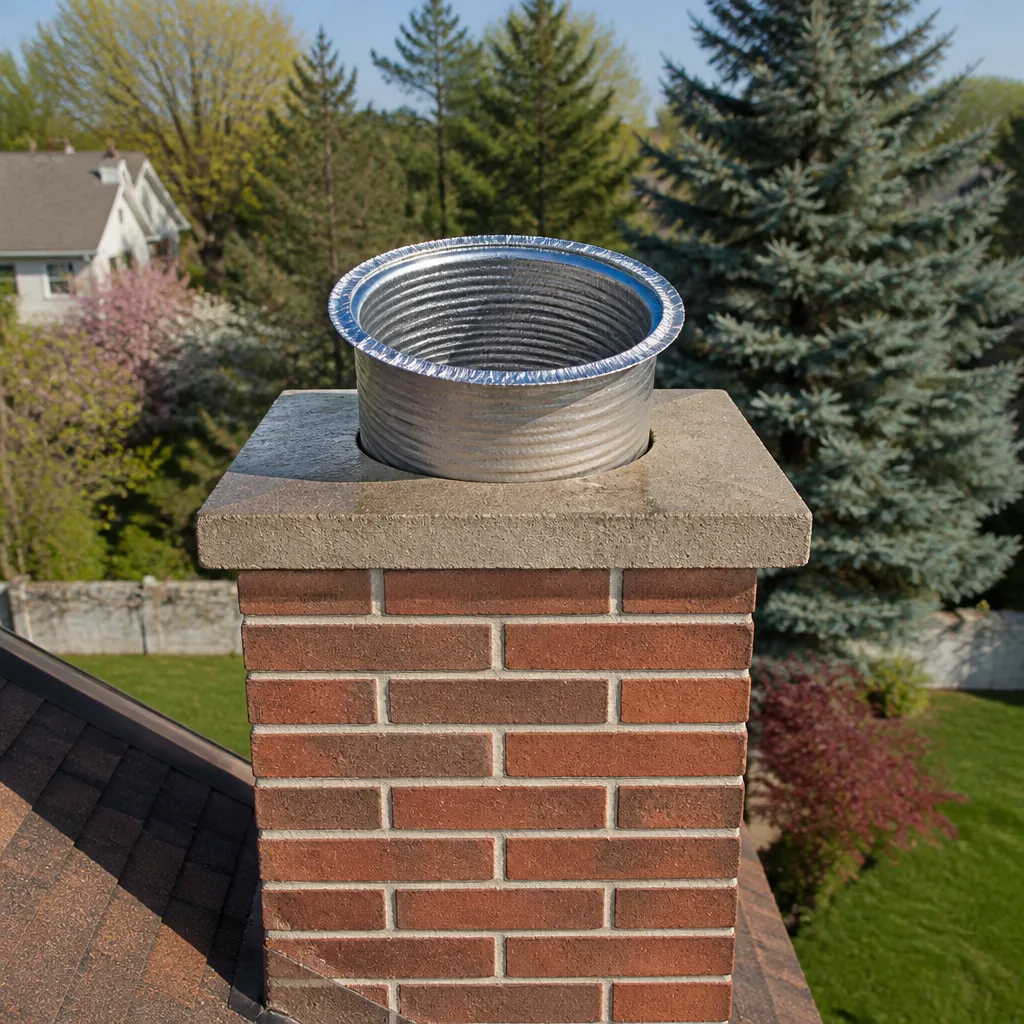 Flue relining
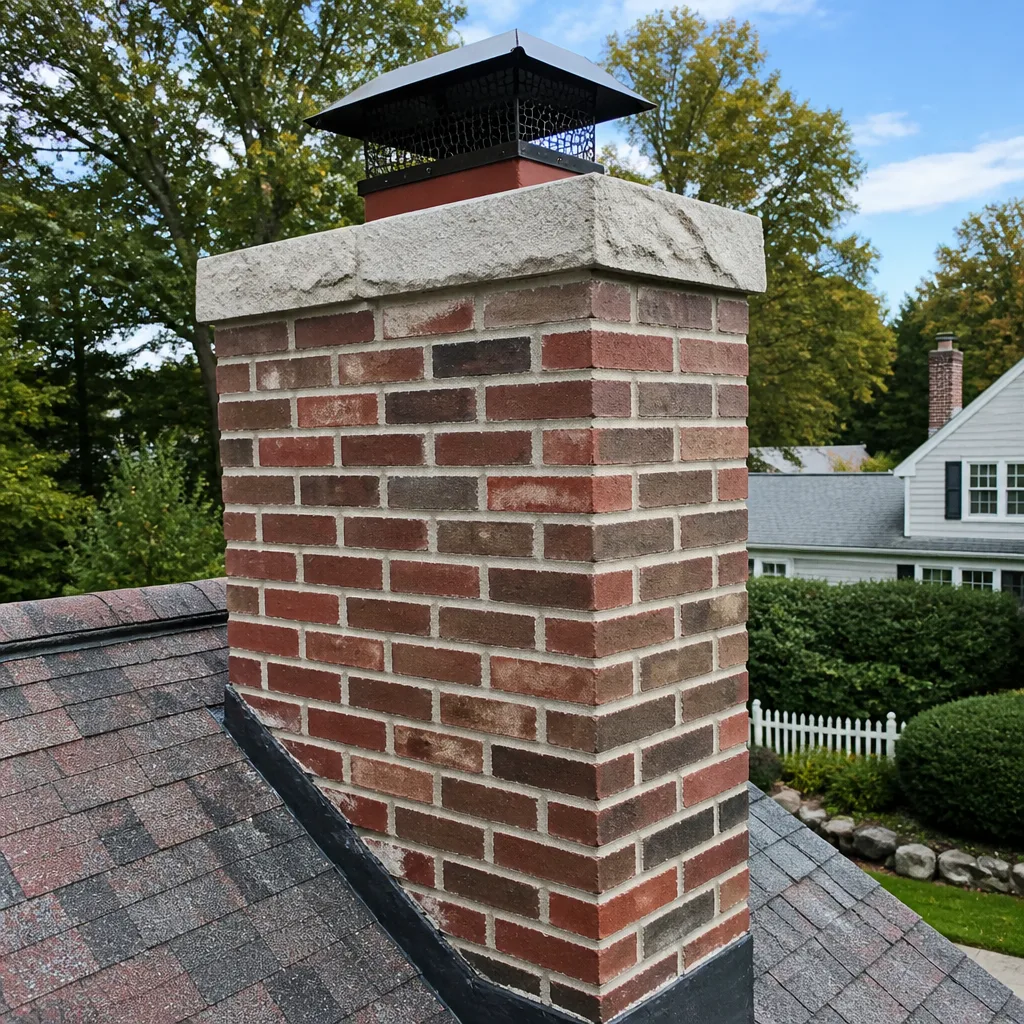 Masonry repair
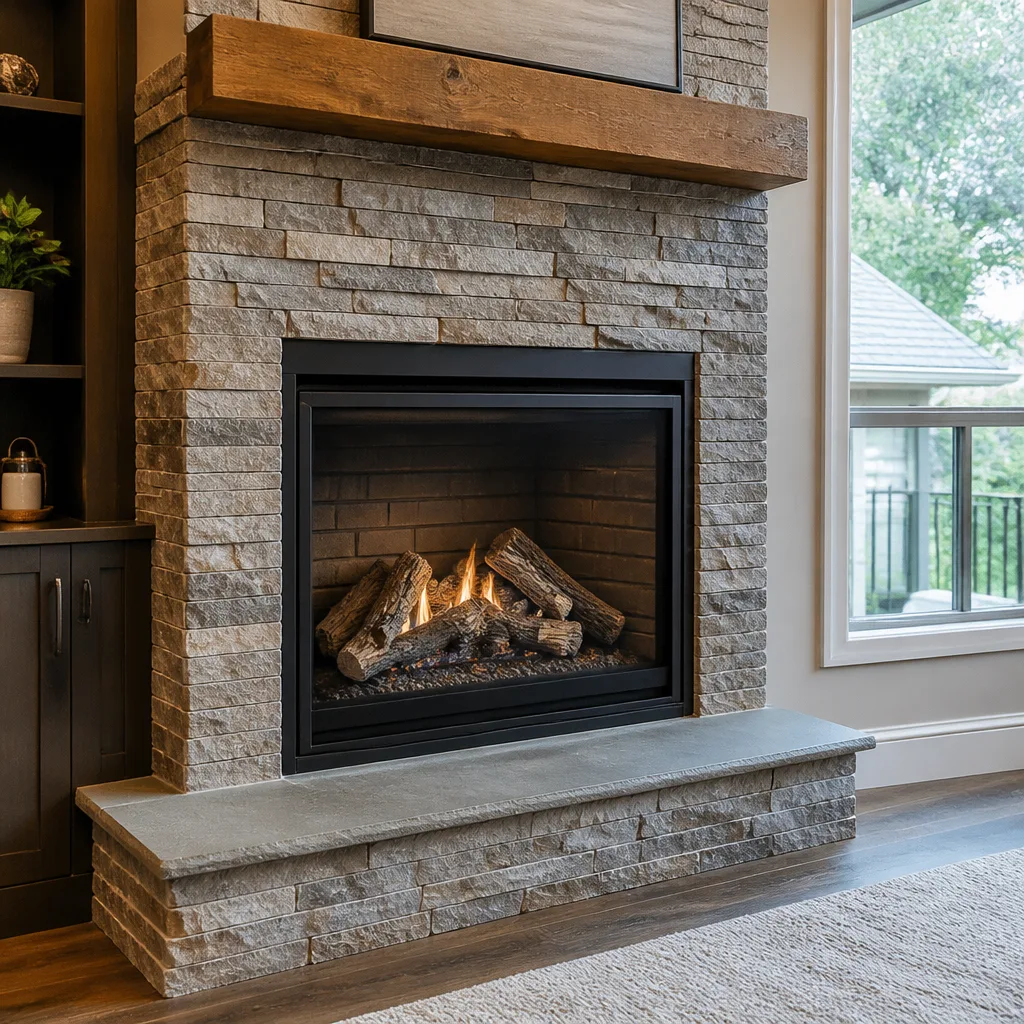 Gas fireplace service
Level 1 sweep and inspection to the NFPA 211 annual standard - flue, crown, cap, and flashing checked and photographed
Chimney sweep logs do not sweep chimneys. They loosen some creosote - which then falls where a brush and vacuum still have to collect it.
How to Hire a Chimney Cleaning Contractor in Torresdale: A Step-by-Step Guide
Anybody can print “chimney sweep” on a business card. That’s the uncomfortable truth at the center of this whole guide. CSIA certification takes real training to earn, but nothing stops an uncertified contractor from listing chimney sweeping as a service, and in Pennsylvania there’s no state license requirement that filters them out for you. The gap between a trained technician and someone with a brush and a truck is invisible from the curb. It stays invisible right up until the day it isn’t: a cracked flue tile nobody caught, a crown that’s been quietly pulling away from the chimney for years, a report you never got in writing. This guide gives Torresdale homeowners the exact questions, checks, and documents that separate the two.
Quick Answer
To hire a chimney cleaning contractor in Torresdale, verify CSIA certification directly on the CSIA database, confirm the company inspects the full system (cap, crown, flue, firebox) rather than just sweeping the flue, demand a written report with photos after the visit, and get the estimate in writing before anyone starts. In Pennsylvania, no state license screens contractors for you, so those four checks are the filter. A contractor who resists any of them is telling you something.
Styles & brands we work with
- Sweep & inspection
- Caps & crowns
- Flue relining
- Masonry repair
- Gas fireplace service
Table of Contents
- Why Hiring Right in Torresdale Matters More Than You Think
- What CSIA Certification Actually Means (and How to Verify It)
- The Interview Questions That Reveal a Real Chimney Specialist
- Red Flags Specific to Multi-Trade Companies
- What a Proper Post-Service Report Must Include
- The Single-Contractor Advantage When Repair Follows Cleaning
- How Chimney Service Pricing Should Be Presented
- A Step-by-Step Hiring Checklist for Torresdale Homeowners
Why Hiring Right in Torresdale Matters More Than You Think
Chimney work punishes deferred decisions in a way most home maintenance doesn’t. A loose gutter drips and you fix it. A cracked crown lets water into the masonry for years, and by the time you notice the stain on the ceiling, you’re looking at a rebuild instead of a repair. The people who live with this reality in Torresdale are, by and large, owners of older homes: brick chimneys that have been through many freeze-thaw cycles, flues lined with clay tile that cracks with age, fireplaces that were built to burn wood and now sit mostly idle. The system doesn’t announce its problems. It just degrades.
That’s why the hiring decision matters more here than in newer construction. A technician who inspects the whole system catches the crown separation and the cracked tile early, when the fix is modest. A technician who runs a brush up the flue and leaves catches nothing. Both will hand you an invoice.
Torresdale winters are hard on masonry. Water gets into hairline cracks, freezes, expands, and widens the crack. Repeat that cycle across a decade and a crown that started out sound is now failing. Add the fact that many older Torresdale homes have chimneys on exterior walls that take the full brunt of weather, and the inspection stops being optional. It becomes the cheaper path. The distinction between a maintenance visit and a diagnostic visit is the first thing to understand before you call anyone, and it’s the difference between catching a problem early and discovering it after it compounds.
What CSIA Certification Actually Means (and How to Verify It)
CSIA stands for the Chimney Safety Institute of America, and its certification is the credential that separates a trained chimney technician from someone who bought a brush. Earning it isn’t a weekend seminar. It requires study, a proctored exam, and continuing education to maintain, and certified sweeps must stay current on codes and venting practice. It isn’t a guarantee of perfect work, but it is a real filter.
Here’s the part most homeowners get wrong: they take the contractor’s word for it. Don’t. Anybody can print a logo on a website or a truck. Verification takes about two minutes and costs nothing:
- Go to the CSIA website’s locator and search by the company name or the technician’s name.
- Confirm the certification is current, not expired. CSIA requires renewal, and a lapsed certification is not the same credential.
- Ask whether the technician who will actually show up at your house is the certified one. A certified owner and an uncertified crew is a common arrangement, and you should know which you’re getting.
- Match the name on the database to the name on the estimate, not just the name on the truck.
Why does this matter so much in Torresdale specifically? Because Pennsylvania does not license chimney sweeps. There is no state agency checking credentials, no licensing board to call, no requirement that a contractor prove training before listing chimney service. Without a license requirement to lean on, CSIA certification is the one third-party credential you can verify independently. It’s the closest thing to a guarantee you can get before anyone climbs onto the roof.
One more thing. Ask whether the technician carries the CSIA Certified Chimney Sweep designation, and ask what continuing education they’ve done recently. A technician who can talk about venting codes and liner specifications is a technician who’s paying attention. Most of the value of those years of training shows up in what they notice on your chimney, not just what they clean off it.
The Interview Questions That Reveal a Real Chimney Specialist
A five-minute phone conversation tells you a lot if you ask the right questions. Most homeowners ask what it costs, which is the one question the wrong contractor answers most smoothly. Skip that until you’ve asked these:
- “Will you inspect the full system, or just sweep the flue?” The right answer names the cap, the crown, the flue, the firebox, and the damper. A specialist treats these as one system. A sweep-only outfit says “we clean the flue” and stops there.
- “Will I get a written report with photos?” Anything less than a clear yes with a description of what the report contains is a warning.
- “Do you do the repairs yourself, or do you hand the work to someone else?” One company from sweep to rebuild means a single point of accountability when the chimney cap and crown need work.
- “What product lines do you install?” A professional should be able to name their liner and cap materials. We install DuraFlex liners and apply HeatShield restoration, and we use professional-grade cap components from Gelco, Olympia Chimney, and Famco. The words “whatever the supply house had” are the tell.
- “Are you doing the inspection the same time as the cleaning?” Camera inspection in the flue is not the same thing as a sweep. The specialist who does both in one visit saves you a second appointment.
- “What happens if you find something?” The right answer describes options, not a pressure pitch, and a willingness to tell you when a repair can wait.
The pattern to listen for is whether the contractor frames the visit as a cleaning or as an assessment. In our experience, the difference in the answers is stark. The swab-and-go contractor answers in one sentence and wants a price. The specialist asks about your fireplace and flue, wants to know the last time it was swept, and describes how the whole system fits together before discussing scheduling. That’s not salesmanship. It’s how a technician thinks. Someone who knows a chimney is a system will ask about the rest of the system.
Red Flags Specific to Multi-Trade Companies
Here’s the scenario that should make you cautious: a roofing company, handyman service, or general contractor that lists “chimney cleaning” among thirty other services. On paper, it’s convenient. In practice, it means your chimney is an add-on line item, and the person showing up may be a roofer with a brush in his truck. Multi-trade outfits aren’t automatically bad, but the incentive structure is wrong for a chimney. Chimney work is a specialty with its own codes, its own materials, and its own failure modes.
What to watch for:
- The service list is too broad. If a company does HVAC, roofing, windows, and gutters, chimney service is a side job. Ask what percentage of their work is chimney work. The answer is usually revealing.
- No verified CSIA listing. Multi-trade companies frequently skip certification because they don’t need it for their core business. That’s the filter doing its job.
- A vague answer on materials. Ask about liner and cap product lines and you’ll learn whether they know the difference between professional-grade components and big-box hardware. A cap from a home improvement store is not the same as an Olympia or Gelco product, and it fails faster.
- Everything needs fixing. If every visit ends with a recommendation for a major repair, be suspicious. A specialist can tell you when work can safely wait, and does.
- Verbal-only reports. Multi-trade companies often don’t have a reporting process for chimney systems. That’s a symptom of treating the chimney as an afterthought.
- No restoration option. A specialized company can offer HeatShield firebox and flue restoration in many cases instead of a full rebuild. A company without that capability tends to reach straight for the rebuild.
Torresdale has plenty of older homes where the chimney is the oldest system in the house. That’s exactly the kind of chimney that rewards a specialist and punishes an add-on contractor.
What a Proper Post-Service Report Must Include
The report is the product. If you come away with nothing but a clean flue and a receipt, you don’t know what you own. A proper chimney report gives you a record of the system’s condition, and it’s what makes informed decisions possible on the repair side.
A real report should include:
- Photos. Of the flue interior, the cap, the crown, the firebox, and anything flagged. A photo isn’t a nicety; it’s the evidence behind every recommendation. You should be able to see what the technician saw.
- Component-by-component condition notes. Cap, crown, flue tiles, damper, firebox, smoke chamber. Each one either noted as sound or described with its condition. “Looks fine” is not a condition description.
- Written recommendations, clearly marked as urgent or routine. A good report tells you what should be addressed now and what can wait. Work that can safely wait should be labeled as such.
- Materials and dimensions noted. If a liner is being considered, the report should record the flue size and type, because the liner specification depends on it.
- Date and technician record. Not a person’s name, but a record of the visit, so future assessments have a baseline to compare against.
Why does this matter so much? Because verbal-only reporting is the most common way homeowners end up facing a repair recommendation they can’t verify. If someone tells you the flue needs thousands of dollars of work and can’t show you a photo or describe the condition with specificity, you have no way to know whether the recommendation is real. At Chimney Sweep Torresdale, nothing is recommended without camera evidence you can see for yourself. That’s the standard. Hold anyone you hire to it. The report also becomes the paper trail that makes the next visit cheaper and faster, because the next technician can compare against it.
The Single-Contractor Advantage When Repair Follows Cleaning
Here’s the scenario that costs Torresdale homeowners money: you hire a sweep company with the lowest quote, they clean the flue, and then they tell you the cap is failing and the crown is cracked. They don’t do that work. So now you’re hiring a second contractor, who shows up, looks at the same chimney, and offers a diagnosis that may or may not match the first one. Two visits, two sets of eyes, and nobody accountable for the whole system.
The single-contractor approach fixes this in a specific way. When the person who cleans the flue is the one who assesses repairs, the assessment comes from the technician who has actually been up close to the system. There’s one set of findings, one report, and one party responsible for what happens next. If the flue needs a DuraFlex liner, the technician who cleaned it already knows the flue’s dimensions and condition. If the firebox is damaged, the same company can apply HeatShield restoration rather than handing the job to a mason who’ll want to rebuild.
That’s the “one company from sweep to rebuild” model, and it’s not just convenience. It eliminates the conflicting-diagnosis problem. You aren’t comparing a sweep’s assessment against a mason’s assessment, and you aren’t wondering which one is trying to sell you something. The same company that cleans the chimney, installs the chimney cap & crown, handles the chimney repair, and does the liner work has every incentive to give you the accurate picture the first time. It also means the full-system specialist can tell you when a repair is genuinely optional, because they aren’t trying to hold a relationship they don’t have.
One more advantage: restoring rather than rebuilding. HeatShield is a restoration system that can extend the life of a damaged firebox or flue without demolition in many cases. A company that has the capability reaches for the less destructive option first. A company that only sweeps doesn’t have the option at all.
How Chimney Service Pricing Should Be Presented
Be wary of anyone who quotes a chimney cleaning price without seeing the chimney. The scope of a sweep depends on the flue’s condition, the fireplace type, and whether a camera inspection is included. What you should get is a written estimate that sets the price per job before any work begins, and the estimate should be free. The final price is whatever the written estimate says; if a contractor starts adding items after the fact, that’s a signal.
What a professional estimate should show:
- The scope in writing. Sweep, inspection, and report, itemized so you know what you’re buying.
- The camera inspection included. A sweep without a camera inspection is a guess.
- The photo report included. Not an add-on.
- Separate line for any recommended repair. Never bundled into the cleaning on the spot.
- No service-call fee surprises. Ask directly about fees before you book.
We’ve seen the whole range of pricing styles in this trade, and the one pattern that holds is that the cheapest quote often isn’t a sweep at all. It’s a brush up the flue with no camera and no report. When you compare quotes, compare scopes. A quote that includes inspection and a written report isn’t the same service as one that doesn’t, and it shouldn’t be priced as if it is. The written estimate is your protection. Get it before anyone climbs anything.
A Step-by-Step Hiring Checklist for Torresdale Homeowners
Here’s the sequence that works. Work through it before you book, and you’ll filter out most of the risk without ever getting on the roof.
- Identify the system first. Note whether your fireplace is wood-burning or gas, and whether you know the last time it was swept. That’s the baseline for the call.
- Ask for CSIA certification and verify it on the CSIA database. Match the name on the estimate to the name on the database. Confirm it’s current.
- Ask whether the company inspects the full system. Cap, crown, flue, firebox, damper. If the answer is flue-only, keep looking.
- Ask what the report includes. Photos, component condition, written recommendations with what can wait clearly marked.
- Ask about product lines. DuraFlex liner systems and HeatShield restoration for repairs. A professional-grade cap and cover line like Gelco, Olympia Chimney, or Famco, not consumer hardware.
- Ask whether repairs are done in-house. One company from sweep to rebuild means one point of responsibility.
- Get the estimate in writing and confirm the estimate is free. Confirm there’s no service-call fee hidden in it.
- Book the sweep and inspection together. Same visit, same technician, one report.
- Review the report the day you get it. Look at the photos. Ask the technician to clarify anything that isn’t specific.
- Get any recommended repair in writing before you commit. Ask what can safely wait, too.
Torresdale homeowners who use this sequence tend to avoid the most expensive mistake in the category: hiring cheap once, paying for the same work twice. If you’re starting now, call (877) 812-1596. We answer 24/7, with fast dispatch from 7am to 7pm, Sunday through Friday. The pipe work is cheaper than the rebuild work, every time.
Common Mistakes to Avoid
- Taking the CSIA claim at face value. The logo on the truck means nothing until you’ve matched it on the CSIA database. Two minutes of checking prevents a season of guessing.
- Hiring a sweep-only company for a chimney that might need repairs. In older Torresdale homes, the sweep and the repair assessment belong in one visit. Splitting them means you’re getting two diagnoses of the same system.
- Accepting a verbal report. If a contractor can’t show you photos and written condition notes, you can’t verify anything they recommend. Verbal-only reporting is how homeowners end up paying for work they never needed.
- Letting a multi-trade contractor handle the chimney as a side job. Roofing companies and handyman services aren’t chimney specialists, and their caps and liners reflect that. Professional-grade components matter more than a convenient single call.
- Booking the cheapest quote without comparing scopes. A cleaning quote that includes camera inspection and a photo report is not the same service as one that doesn’t, and pricing them side by side without looking at scope is misleading.
- Going straight to a rebuild when restoration is possible. Damage to a firebox or flue doesn’t always require demolition. Ask whether HeatShield restoration is an option before signing off on a rebuild.
- Skipping the crown and cap. Water is the slow killer of masonry in Torresdale’s freeze-thaw winters, and the crown is the first line of defense. A specialist who skips it is skipping the most preventable failure on the system.
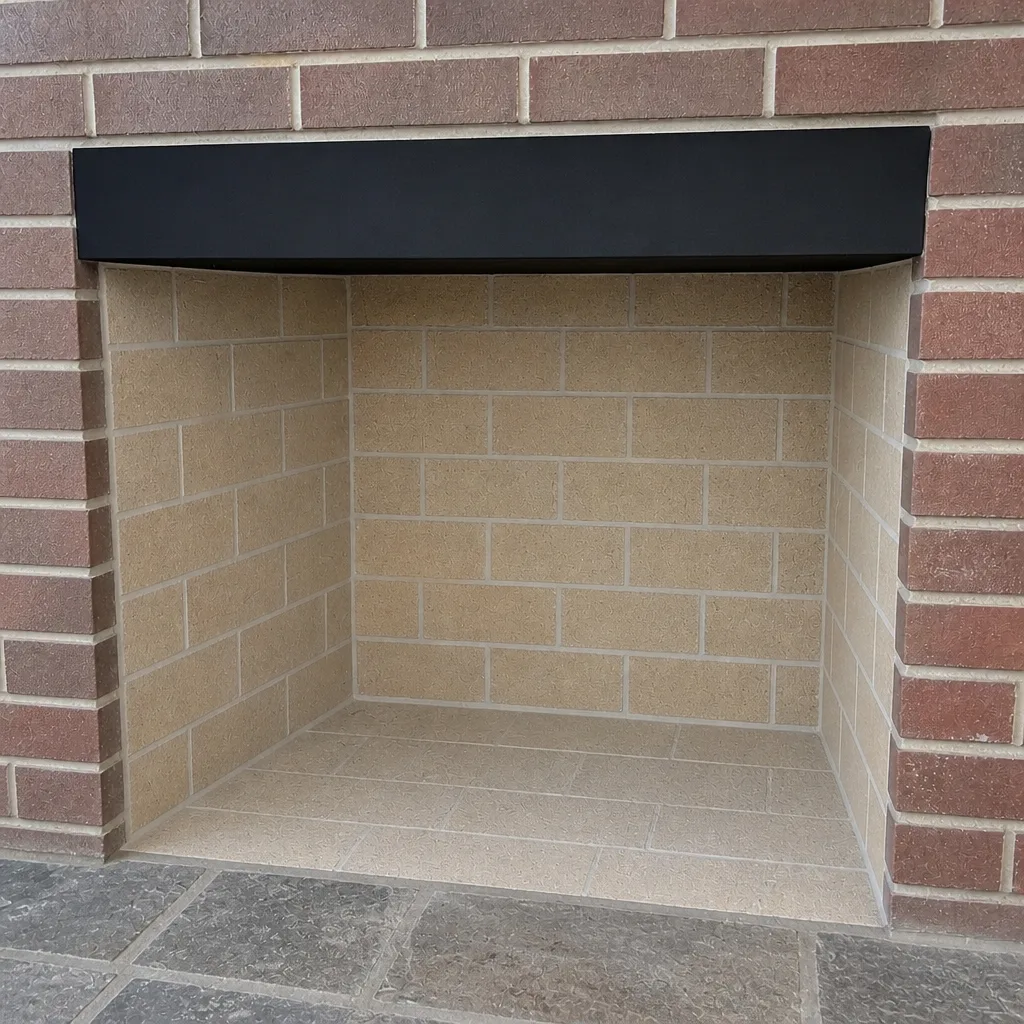
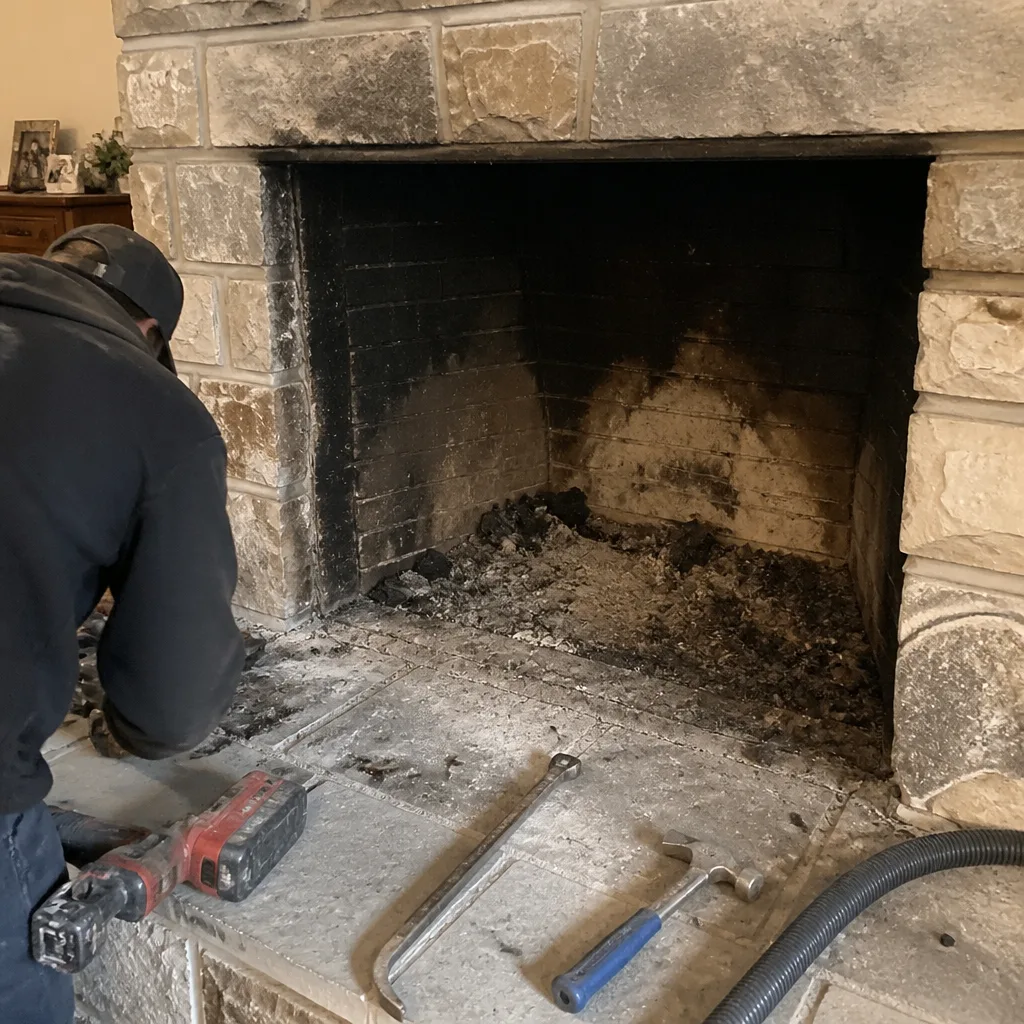
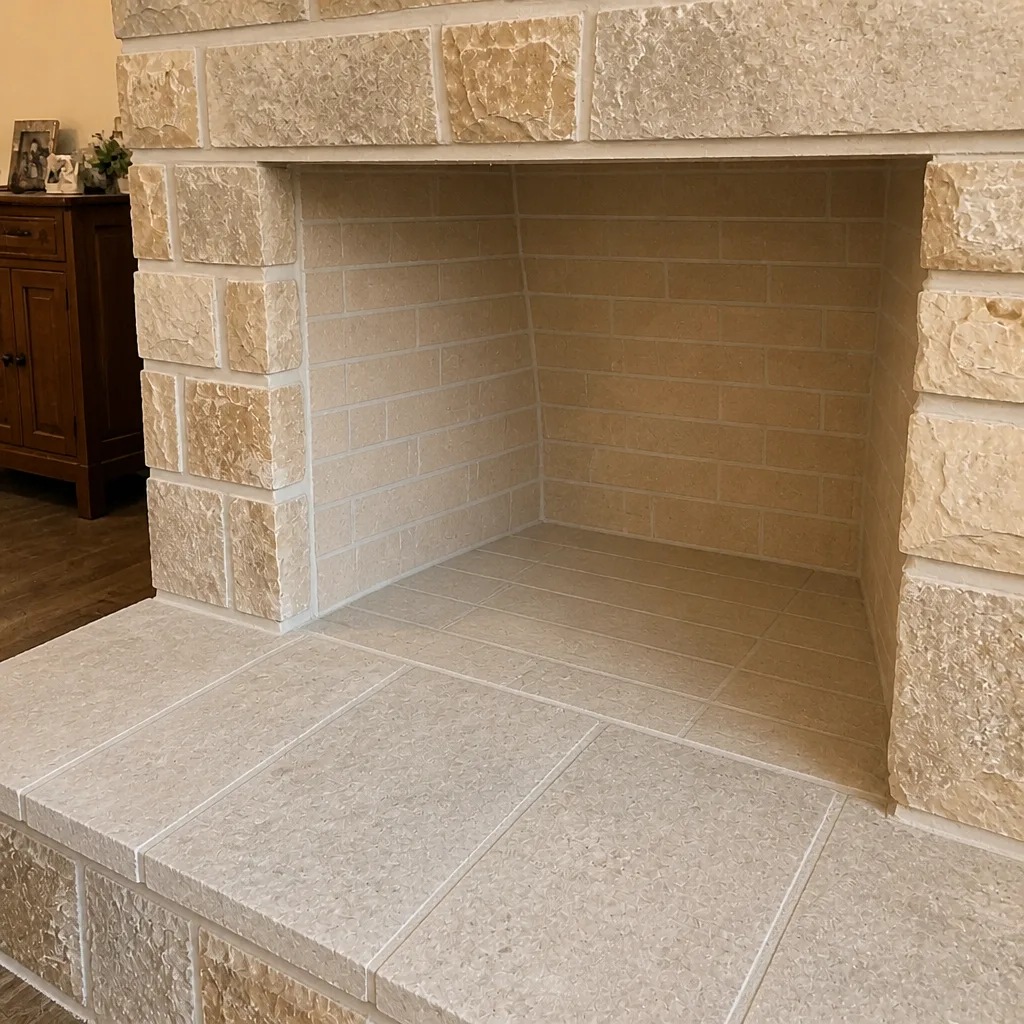
See the difference
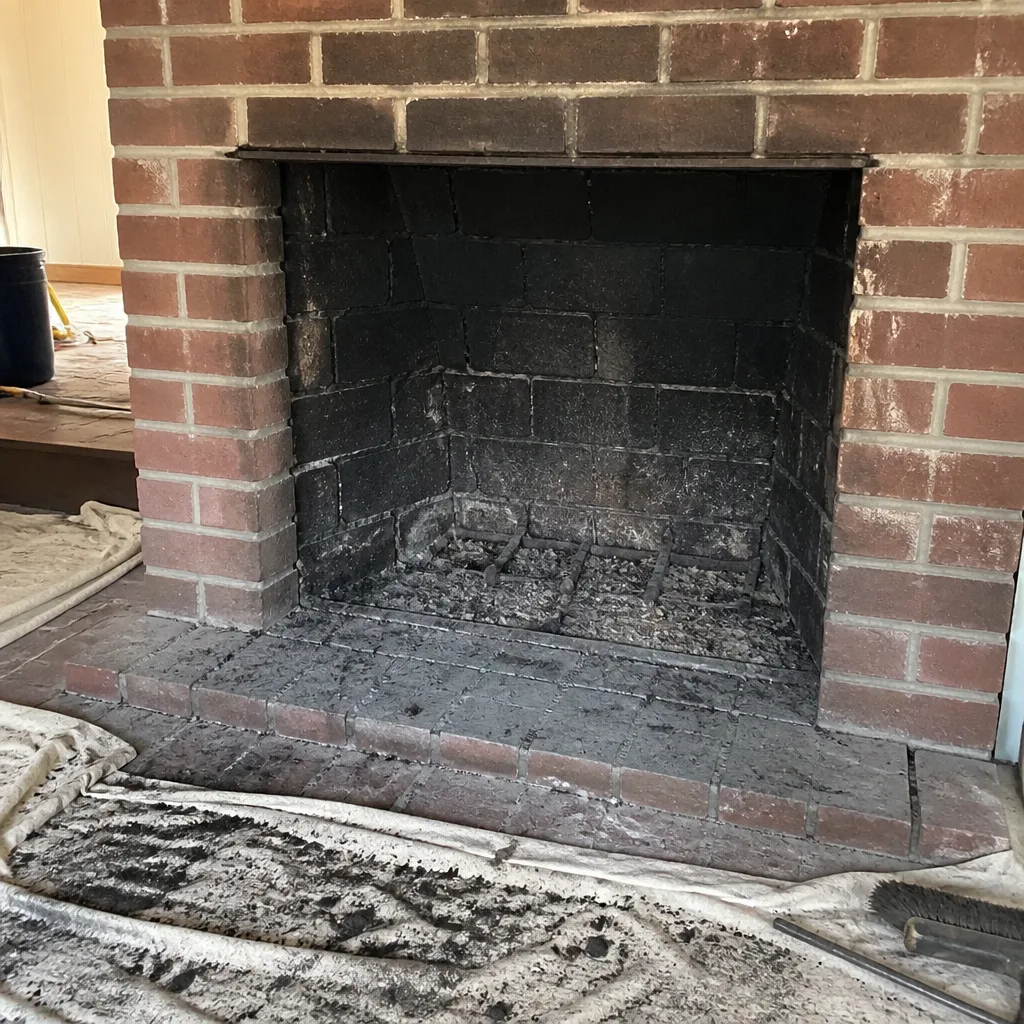 Before
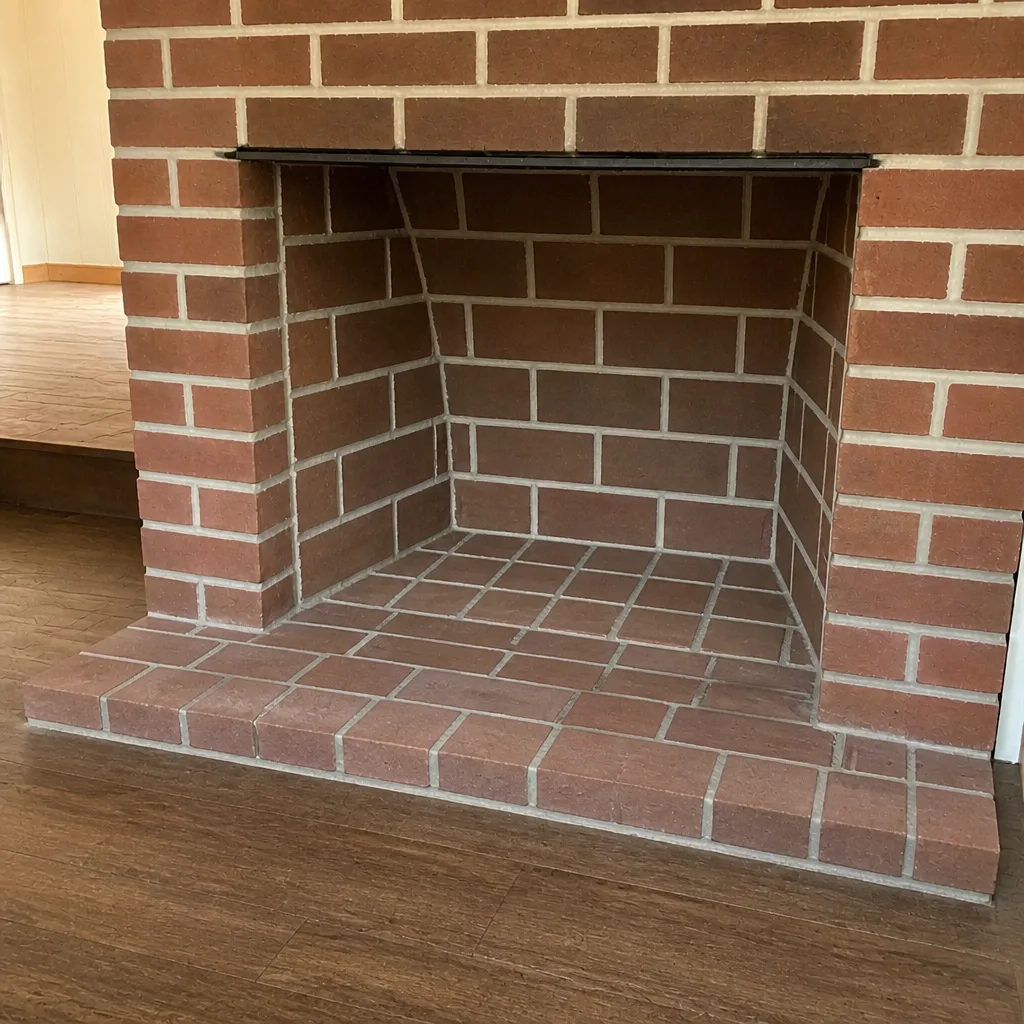 After
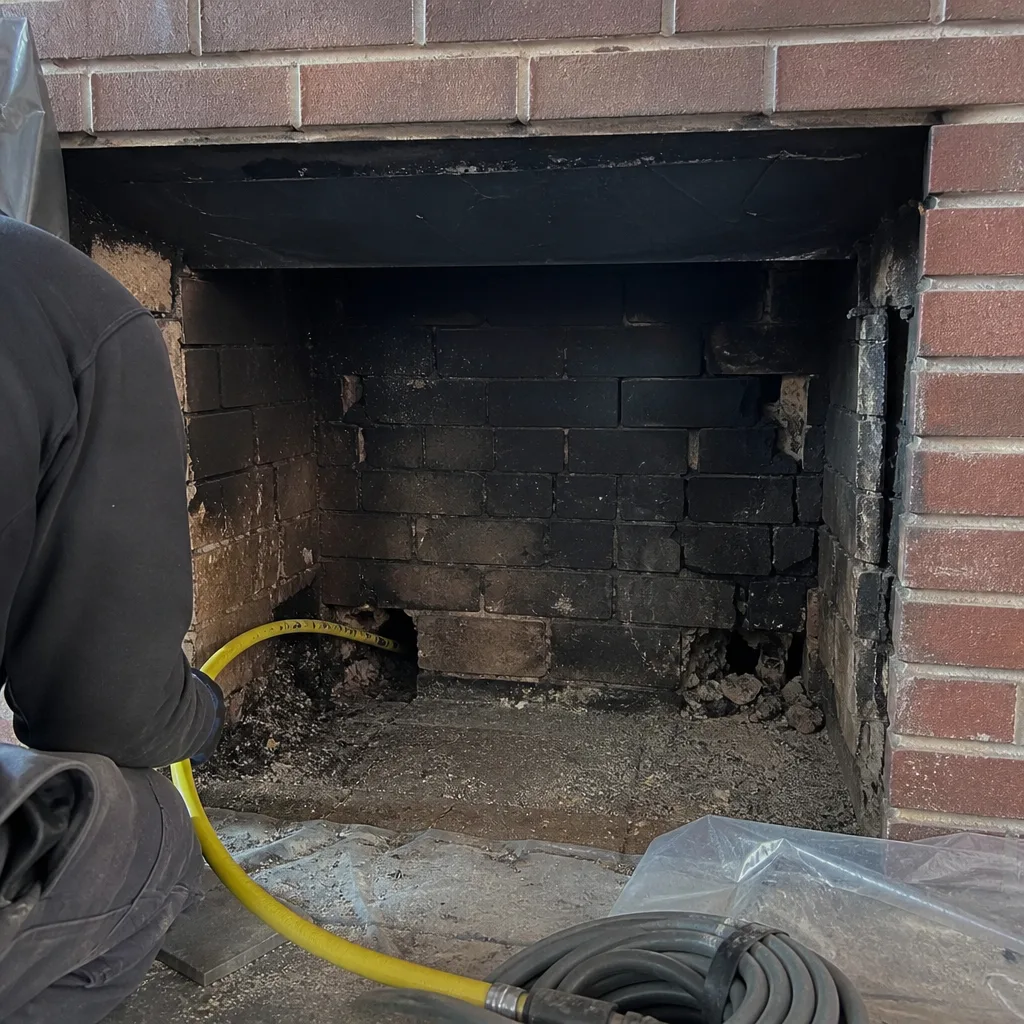 Before
 After
 Before
 After
When to Call a Professional
Call a professional when you’re buying a home with a chimney of unknown history, when it’s been more than a year since the last sweep, or when you’ve noticed anything that suggests the system has changed: a stain near the ceiling, a strong draft, a cracked visible firebox brick, a damper that sticks, or a puff of smoke into the room when you light a fire. Call if you’re switching a fireplace from wood to gas, or if you’ve had work done before and never received a written report. And call if you’re simply unsure; a sweep and inspection is how you find out what you own. Chimney Sweep Torresdale offers free estimates in Torresdale: call (877) 812-1596. For a full sweep and assessment, our chimney sweep service covers the whole system, not just the flue. If you’re starting at the top and working down, the team behind Chimney Sweep Torresdale can tell you what the whole system needs in one visit.
Frequently Asked Questions
Once a year is the standard, and more often if you burn wood heavily or notice creosote buildup. In Torresdale, the annual visit also catches the winter freeze-thaw damage to the crown and masonry before it spreads. Call (877) 812-1596 for an exact quote; estimates are free.
You need a new liner only if the existing flue is cracked, unlined, the wrong size for the appliance, or otherwise compromised, and a camera inspection is how that gets established. Ask to see the photos. If a contractor can’t show you evidence, don’t sign off. Call (877) 812-1596 for an exact quote; estimates are free, and we’ll tell you if the work can safely wait.
Creosote accumulates in the flue, and that is the fuel source for a chimney fire; the risk is real, though it isn’t the only reason to sweep. The slower hazard is water damage to the masonry, which compounds in Torresdale’s winters. A sweep and inspection is the cheaper path. Call (877) 812-1596 for an exact quote; estimates are free.
No. Pennsylvania has no state license requirement for chimney sweeps, which is why CSIA certification and independent verification matter here. Verify the certification on the CSIA database rather than the contractor’s word. Call (877) 812-1596 for an exact quote; estimates are free.
Yes, and that’s the point of hiring a full-system specialist. A sweep with camera inspection and a written report in one visit gives you one diagnosis, not two, and it costs less than a cleaning followed by a separate assessment. Call (877) 812-1596 for an exact quote; estimates are free.
Because one company from sweep to rebuild means one set of findings and one point of accountability. When the technician who cleans the flue is the technician who assesses the cap, crown, and firebox, you avoid conflicting diagnoses. Call (877) 812-1596 for an exact quote; estimates are free.
The Bottom Line
The chimney trade has almost no barrier to entry, and Pennsylvania doesn’t license it. That leaves you with four filters that do the work: verify CSIA certification on the CSIA database, confirm the contractor inspects the full system rather than just the flue, insist on a written report with photos and condition notes, and get the estimate in writing before anyone starts. In Torresdale’s older homes, with freeze-thaw winters working on the masonry, the cost of skipping those checks is a rebuild you could have prevented. One company from sweep to rebuild means one diagnosis and one party responsible. Our technicians have up to 8 years of experience, and we install DuraFlex liners and apply HeatShield restoration with professional-grade cap components. Call (877) 812-1596 for a free estimate. We answer 24/7. Fast dispatch from 7am to 7pm, Sunday through Friday.
Written by the team at Chimney Sweep Torresdale.