
Last updated November 22, 2026
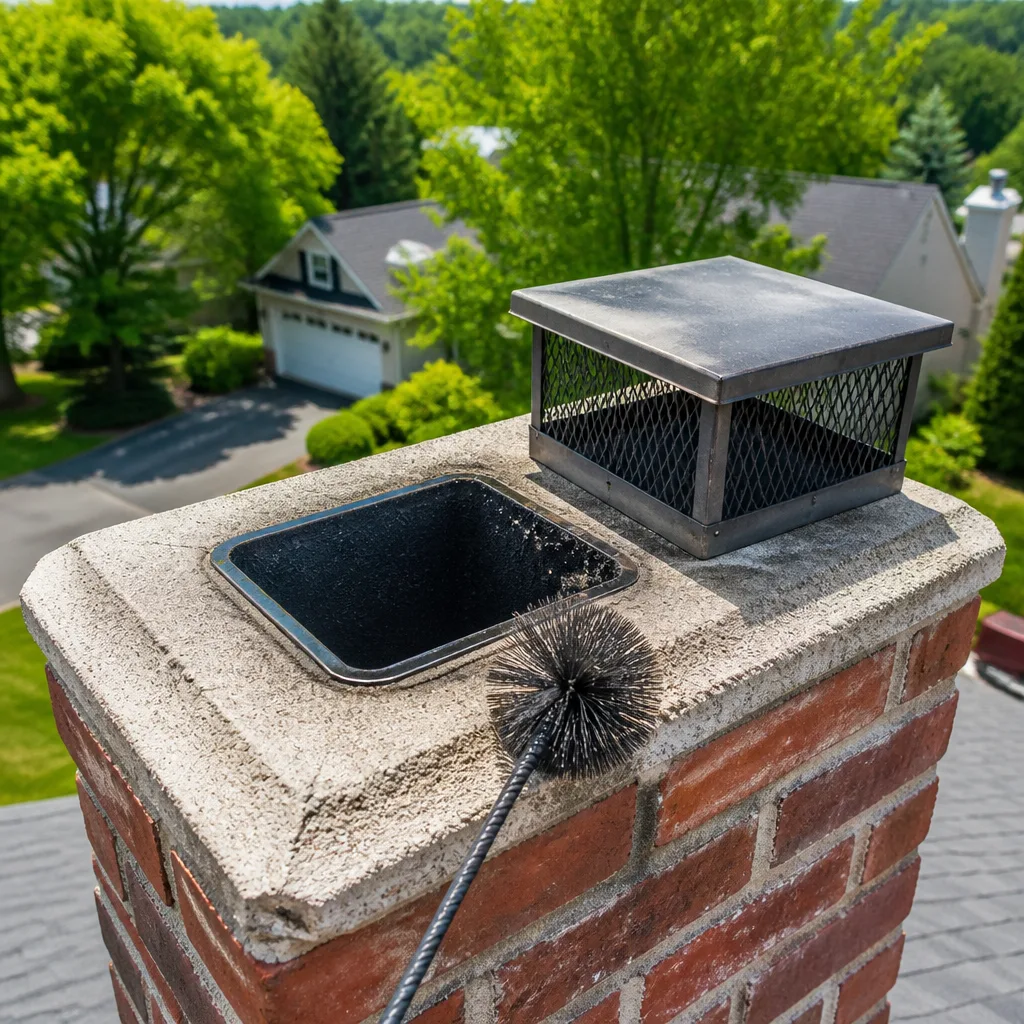 Sweep & inspection
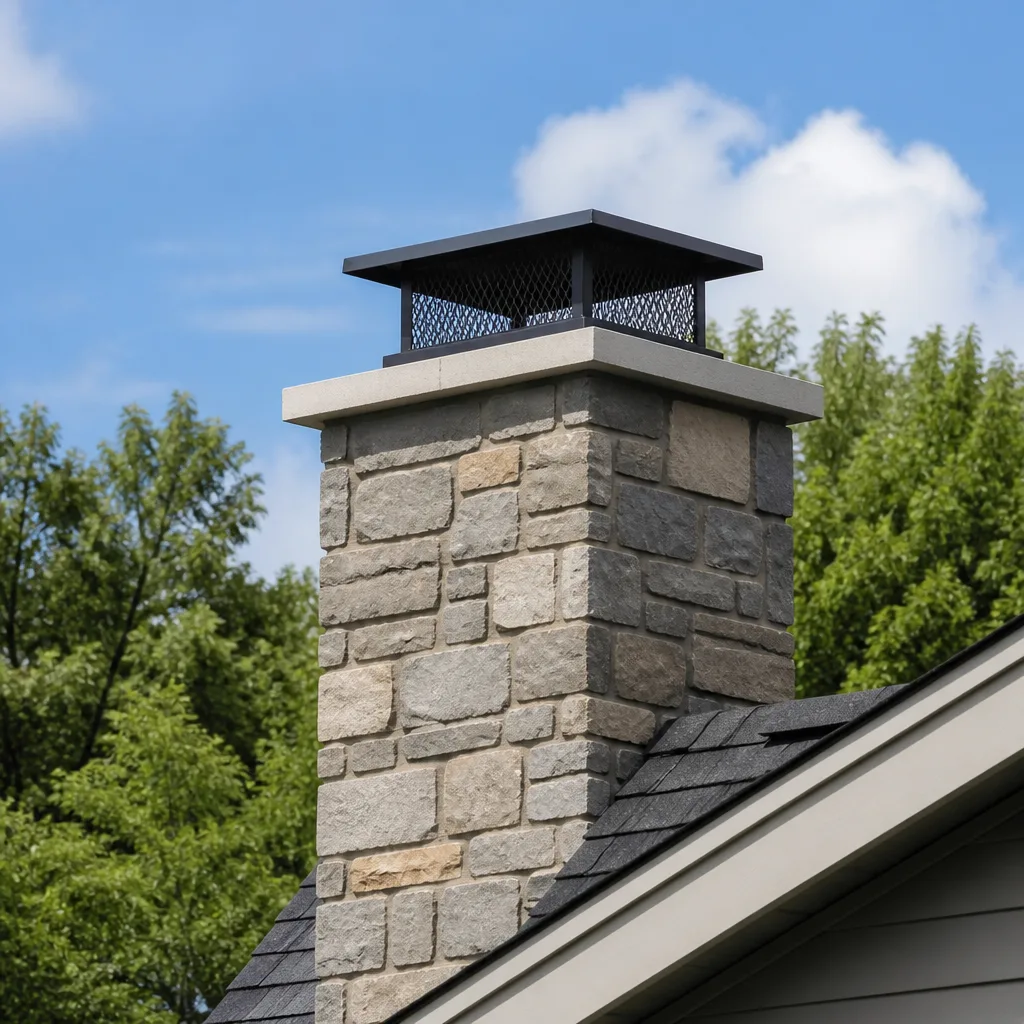 Caps & crowns
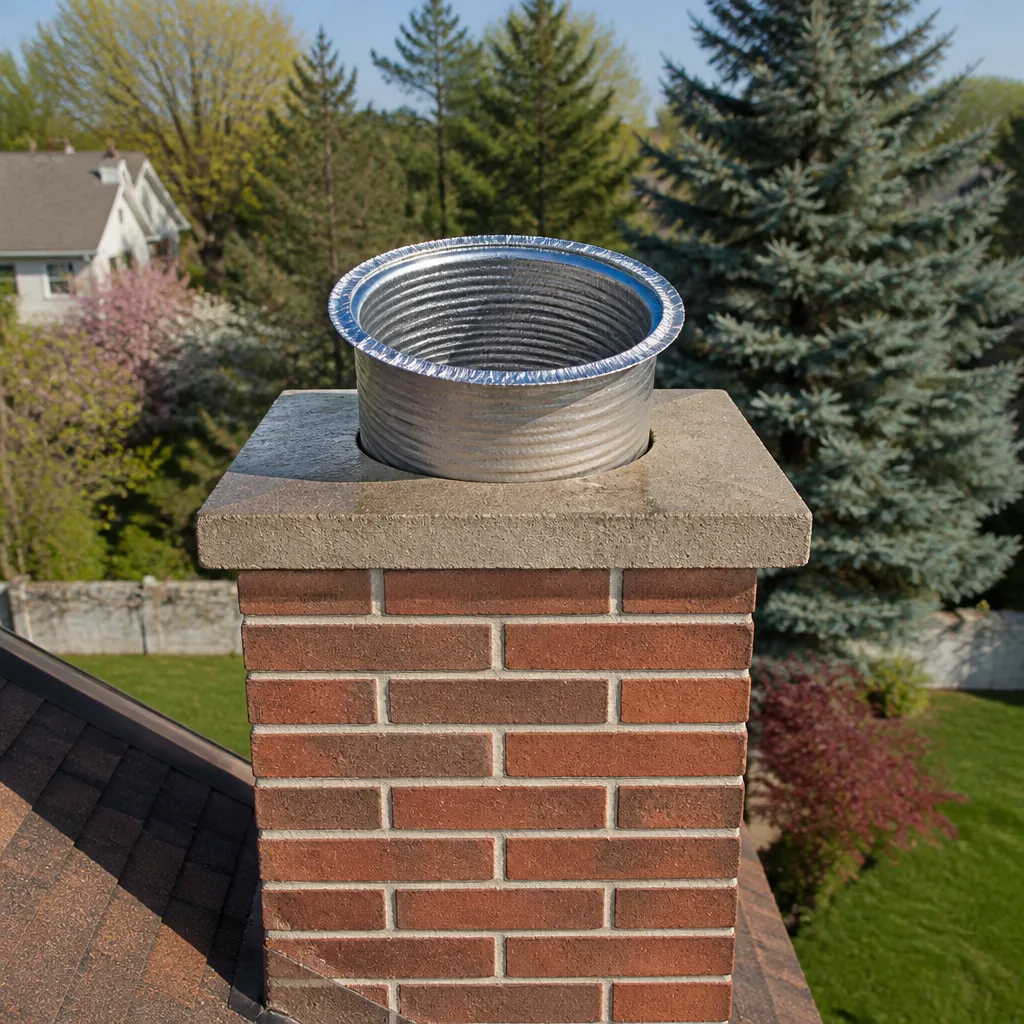 Flue relining
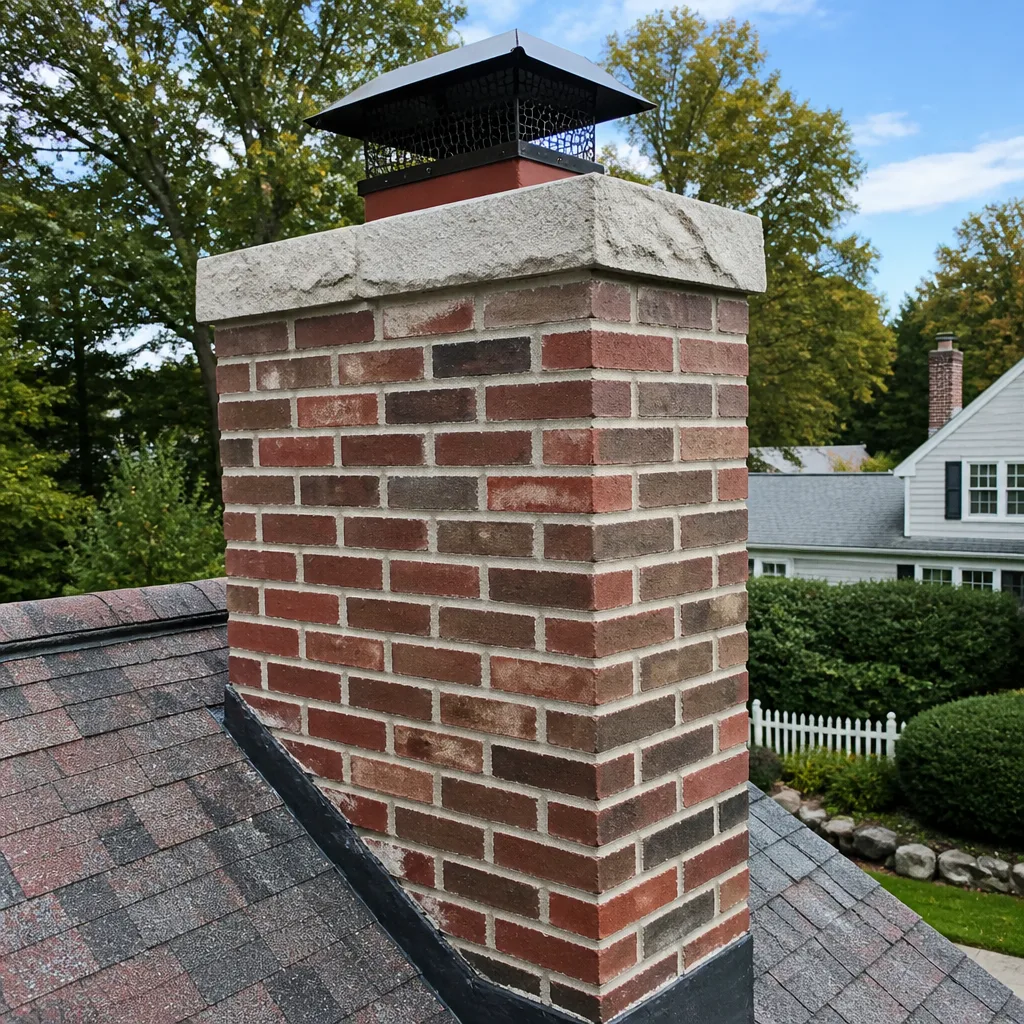 Masonry repair
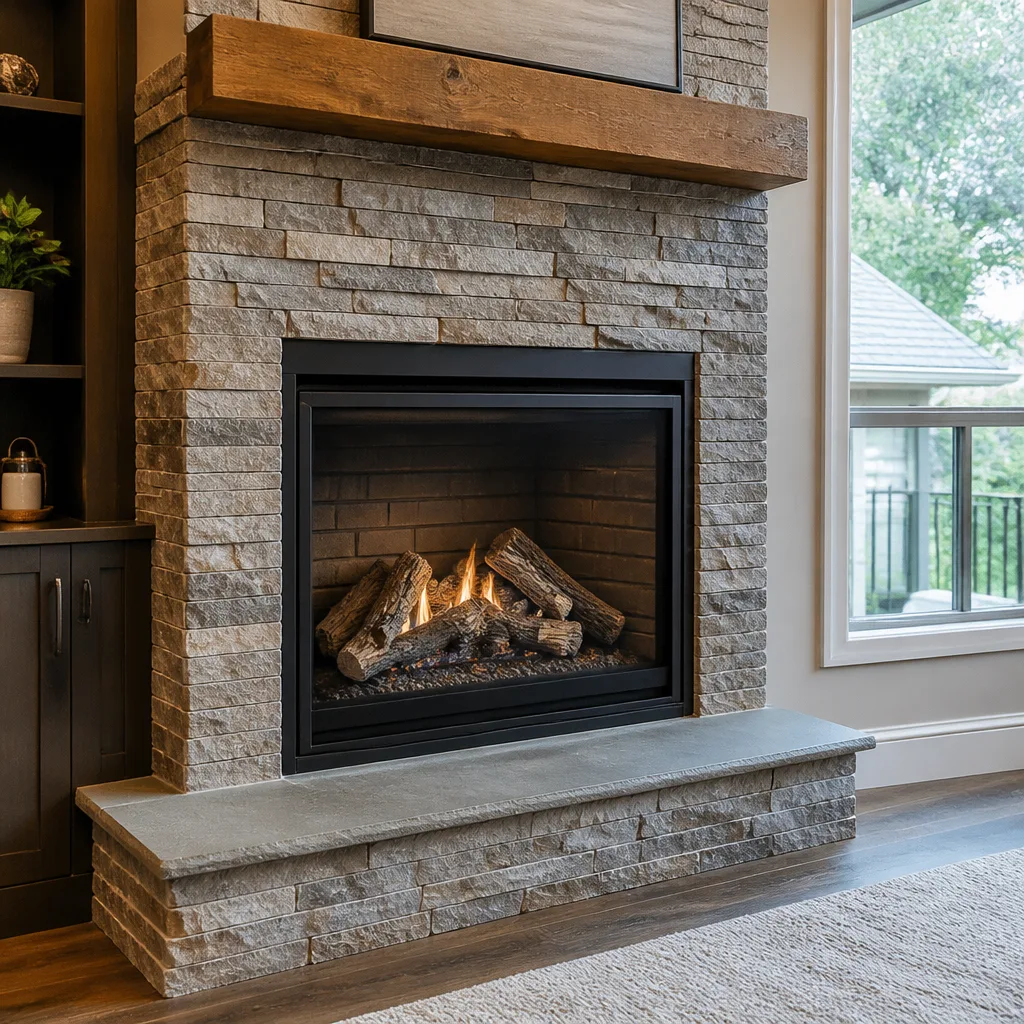 Gas fireplace service
Level 1 sweep and inspection to the NFPA 211 annual standard - flue, crown, cap, and flashing checked and photographed
Chimney sweep logs do not sweep chimneys. They loosen some creosote - which then falls where a brush and vacuum still have to collect it.
The Complete Guide to Chimney Cleaning in Torresdale
Most chimney fires we’re called to assess don’t start in chimneys nobody cared about. They start in chimneys that were swept every year by someone who brushed the flue and left without ever looking at the crown, the smoke chamber, or the liner joints. A sweep cleans. An inspection finds. The two get bundled together so often that homeowners stop separating them, and that’s exactly how a cracked flue tile or a spalling crown goes unnoticed for years. This guide walks through every component of a Torresdale chimney from cap to firebox and shows you what a real cleaning touches, what it checks, and what it should flag before it turns into structural repair.
Quick Answer
A chimney cleaning in Torresdale is a full-system service: brushing the flue of creosote and soot, plus a component-by-component inspection of the cap, crown, flashing, liner, smoke chamber, damper, and firebox. Most wood-burning chimneys need this once a year, or sooner if you’ve burned more than a cord of wood or notice glazed creosote. The cleaning itself takes about an hour on a typical Northeast Philly row home, but the inspection is where the real value sits.
Styles & brands we work with
- Sweep & inspection
- Caps & crowns
- Flue relining
- Masonry repair
- Gas fireplace service
Table of Contents
- What a Chimney Cleaning Actually Covers
- Level 1, 2, and 3 Inspections: Which One You Need
- A Component-by-Component Map of Your Torresdale Chimney
- The Three Stages of Creosote and Why Stages 2 and 3 Need More Than a Sweep
- How Torresdale’s Older Housing Stock Affects Your Chimney
- Why One Company From Sweep to Rebuild Matters
- What a Torresdale Chimney Cleaning Costs
- Common Mistakes to Avoid
What a Chimney Cleaning Actually Covers
A chimney cleaning is a two-part job: mechanical removal of soot and creosote from the flue, and a visual inspection of the entire exhaust pathway. The brushing part is standard across the trade. The inspection part is where companies differ, sometimes dramatically. Some sweeps brush and leave; others treat the visit as the annual health check your chimney system needs.
Here’s what gets cleaned on a standard visit:
- The flue interior, from the damper up to the top of the chimney, brushed with the correct-diameter brush for your flue size.
- The smoke chamber and smoke shelf, where soot collects and where a lot of fires actually start.
- The damper assembly, cleared of debris that can prevent full closure.
- The firebox floor and walls, vacuumed of ash and soot.
- The bottom of the flue and any cleanout access points.
What gets checked, not cleaned, includes:
- The chimney cap and crown, for cracking, spalling, and nesting animals.
- The flashing where the chimney meets the roof, for lifting or failed sealant.
- Liner joints and tiles, for cracks, gaps, and offset tiles.
- Smoke chamber parging, for gaps that let combustion gases escape.
- Firebox masonry and mortar joints, for deterioration.
That split matters. A cleaning visit that stops at the brush has cleaned your chimney but not assessed it. When we run a chimney sweep appointment, both halves happen on the same visit. That way a homeowner isn’t left wondering whether the crown has been moving since the last sweep.
Level 1, 2, and 3 Inspections: Which One You Need
Chimney inspections come in three recognized levels, and most homeowner guides never mention them. That gap is worth closing because it’s the difference between a routine annual visit and the wrong inspection for a problem you’re actually having.
Level 1 Inspection
The standard annual inspection. Performed on a chimney you’re actively using, that’s in known service, with no changes since the last check. The technician visually examines accessible portions of the system: flue, damper, firebox, cap, crown, and exterior. No camera. No tool access beyond the firebox door. A Level 1 is what accompanies a routine sweep when there’s no history of concern.
Level 2 Inspection
Required whenever there’s a change in how the chimney is used or a transfer of ownership, and whenever there’s been a chimney fire, a flue obstruction, or a weather event that could have damaged the system. Level 2 adds a video camera inspection of the flue interior, plus accessible portions of the attic and crawl spaces where relevant. This is the level that catches cracked liner tiles, gaps at tile joints, and missing mortar in the smoke chamber that a Level 1 will never see. In our experience, a proper video scan on an older Torresdale chimney is the single most useful diagnostic step you can buy.
Level 3 Inspection
Reserved for when structural access to concealed portions of the chimney is needed. If the video inspection reveals a damaged liner that can’t be evaluated from inside the flue, or a hidden problem in a chase or wall assembly, Level 3 involves opening the structure. Rare, but necessary when it is.
A good rule of thumb:
- Regular annual cleaning and no changes since last visit: Level 1.
- New home purchase, fuel change, chimney fire, or a suspected obstruction: Level 2.
- Hidden structural damage or an undiagnosable flue problem: Level 3.
If you bought a home in Torresdale within the last year, the standard of care is a Level 2. It’s one of the most commonly skipped steps on an inspection report, and one of the most useful to get right.
A Component-by-Component Map of Your Torresdale Chimney
Here’s a walk-down of the chimney system, from the roof in. Knowing what each part does, and whether it gets cleaned or checked, is how you’ll read your own inspection report without having to trust it on faith.
Chimney Cap
The cap is the metal (or sometimes masonry) fitting on top that keeps rain, birds, and debris out of the flue. It’s not cleaned on a sweep visit, it’s inspected and often replaced. A failed cap allows water in, and water is what kills masonry. We install chimney cap & crown products from Gelco, Olympia Chimney, and Famco; these are professional-grade components, not the big-box hardware-store caps that rust out or fit poorly.
Chimney Crown
The crown is the concrete or masonry slab at the top of the chimney that sheds water away from the sides. Cracks are common on older Torresdale homes. A cracked crown lets water soak into the brick, and in a Northeast Philly winter, that water freezes and spalls the masonry. Crown repair and resurfacing is one of the highest-value preventive items on any chimney.
Flashing
The metal seal where the chimney penetrates the roof. Inspected every visit. Failing flashing shows up as interior water stains near the chimney breast, and it’s frequently mistaken for roof failure. Not a service we handle, but we flag it and tell you who does.
Flue Liner
The liner is the vertical passage that actually contains combustion gases. It’s cleaned every sweep, and its condition is checked via the appropriate inspection level. Older liners may be clay tile with failed joints; newer ones are stainless. Where a liner is compromised, we install DuraFlex flexible chimney liner systems. These are specified by chimney professionals for durability and code compliance when a rebuild isn’t necessary.
Smoke Chamber and Smoke Shelf
The transition zone between the firebox and the flue. This is where a large share of chimney fires actually originate, because it collects soot the brush rarely reaches and its parging is often rough. A proper cleaning includes brushing and vacuuming this zone. Where the smoke chamber parging has failed, we apply HeatShield, a proprietary firebox and flue restoration system that rebuilds the parging without demolition.
Damper
The metal door above the firebox that closes the flue when not in use. Cleaned of debris every visit. A damper that won’t close fully is a heat loss issue, not just an inconvenience.
Firebox
The burn chamber itself. Cleaned of ash and soot every visit. Inspected for cracked brick, failed mortar joints, and worn firebrick. When the firebox has deteriorated but the surrounding masonry is sound, HeatShield application is often the difference between a repair and a rebuild.
Every layer of that system is on the same exhaust pathway, and a failure at any one of them matters. That’s why we work the whole thing rather than stopping at the roofline.
The Three Stages of Creosote and Why Stages 2 and 3 Need More Than a Sweep
Creosote is the residue left behind when wood smoke cools against the flue wall. It builds in stages, and those stages behave differently. Recognizing which you have is worth understanding, because it determines whether a standard sweep visit is enough.
Stage 1: Soot and Flaky Creosote
Looks like a dark dusting or thin flaky layer. Brushes off easily. Most annually-swept chimneys in Torresdale sit somewhere in Stage 1 at the start of a cleaning. Standard sweep removes it completely.
Stage 2: Hard, Crusty Creosote
Once creosote has dried and reconstituted across multiple burns, it hardens into a crusty, sometimes bubbled layer. A standard brush removes some, but not always all, and leaving a Stage 2 layer in place accelerates the buildup above it. Sweeps with the right tools and patience can clear most Stage 2 creosote; a rushed visit frequently won’t.
Stage 3: Glazed Creosote
The dangerous one. Glazed creosote looks like polished tar and is essentially a fuel layer clinging to the flue wall. It ignites at a lower temperature than most people assume, which is why Stage 3 is the trigger for chimney fires that start without any single obvious cause. A standard brush won’t remove Stage 3. Chemical treatment over a period is usually required, followed by a proper follow-up sweep. Any company that sweeps a Stage 3 chimney once and calls it clean has not solved the problem.
What you should know:
- Stage 2 and Stage 3 creosote is more likely in a chimney that has burned unseasoned wood, or has been run with the damper partly closed, or hasn’t been swept in over a year.
- A chimney repair assessment after Stage 3 is not optional; the fire risk layer sat against something and that something needs checking.
- Creosote stages aren’t visible from the firebox. You need the inspection.
If your sweep hands you a report that doesn’t mention creosote stage or flue conditions, ask for it. If they can’t provide it, you’ve had a cleaning, not an inspection.
How Torresdale’s Older Housing Stock Affects Your Chimney
Torresdale is a neighborhood of mostly mid-century and older construction: brick colonials, twins, and row homes, many of them built when chimneys were laid as a masonry column of clay flue tiles stacked inside a brick chase. That construction style has specific implications for how a chimney cleaning should be approached.
Flue sizing differs from what modern appliances expect
Older chimneys were often sized for open fireplaces and coal-era flues, not for the draft needs of a modern wood stove or gas insert. A flue that’s too large for the appliance drafts poorly, which means more creosote. A chimney sweep assessment on a Torresdale home should confirm the flue size against the appliance, not just brush it.
Clay tile liners with failing joints are common
The original clay tile liners on homes of this era frequently have offset tiles or open joints by now. Those joints let creosote and moisture into the masonry behind the liner, and they’re how a Stage 2 or 3 creosote problem turns into a structural one. The only way to know is a video inspection. Where joints have failed, a DuraFlex liner installation restores the flue to a continuous, code-compliant passage.
Masonry and water exposure go hand in hand
Northeast Philadelphia gets freeze-thaw cycles from late fall through early spring. Water that gets into crown cracks or failed mortar freezes, expands, and spalls the brick face. Left alone, that spalling moves from cosmetic to structural. Crown and cap work isn’t cosmetic maintenance in a Torresdale winter; it’s what stops the masonry from breaking down from the top.
Fireplace and insert additions accumulate
Many of these homes have had a wood stove, gas insert, or fireplace conversion added at some point. Each change is grounds for a Level 2 inspection because the flue requirements shift with the appliance. It’s a common gap we find when we’re called to a Torresdale home for a routine sweep and find an insert that was never properly assessed against the flue.
Why One Company From Sweep to Rebuild Matters
There’s a real, practical problem with splitting chimney work between a sweep and a separate masonry contractor. The sweep sees the problem, the mason repairs the symptom. If the sweep doesn’t write down exactly what they saw and hand those notes over, the mason is working off the homeowner’s memory. Diagnostic gaps are how homeowners end up paying twice for the same repair.
Working with a full-system specialist closes that gap. It means:
- The same company that inspects also repairs. No handoff, no lost notes.
- Findings are corrected against the same standards they were observed under.
- When a damaged firebox or flue tile can be restored without demolition, that option is on the table because the same team can apply HeatShield.
- When a rebuild is genuinely needed, it’s the same team that saw the original problem and can judge whether anything below the visible damage is affected.
- Cap, crown, and flashing are addressed by the same company that inspects them, so a report doesn’t stall at a recommendation.
The result is what a homeowner actually wants: a chimney that was diagnosed and repaired by people who saw the whole system. Not a brush, a referral, and a phone call.
If you’re not sure which path fits your situation, a call is worth more than a guess. Call (877) 812-1596. We answer 24/7. Fast dispatch from 7am to 7pm, Sunday through Friday.
What a Torresdale Chimney Cleaning Costs
Typical chimney cleaning in Torresdale is priced per job by a written estimate, and the estimate is free. What the final number looks like depends on the flue size, the creosote stage, the number of flues, and whether any cap or crown work is included on the same visit. Rather than guess at a flat rate, here’s how the estimate is usually built.
What a sweep visit typically includes
- Brushing the flue, including the smoke chamber and firebox.
- Level 1 inspection with a written report of findings.
- Any cap or crown items flagged for follow-up.
What moves the estimate up
- Multiple flues, common in a Torresdale colonial or twin with more than one fireplace.
- Stage 2 or 3 creosote, which needs chemical treatment and a return visit for proper removal.
- A Level 2 video inspection when there’s been a chimney fire, fuel change, or recent home purchase.
- Cap and crown work reviewed on the same visit, priced separately so it’s clear what’s cleaning and what’s repair.
- Liner work, where the inspection finds joint failures or offset tiles that a sweep can’t resolve.
What you should get from any estimate:
- A line-item written price before the work begins.
- The creosote stage observed and the inspection level performed.
- A clear separation between cleaning cost and any repair recommended.
- The inspection report, in writing, so you can compare against a second quote.
The written estimate is what sets the final price. Not a phone quote, not a range. If a company won’t put it in writing, that’s the number to walk away from.
Common Mistakes to Avoid
- Treating “swept” and “inspected” as the same thing. They aren’t, and the difference is where fires hide. A brush cleans the flue; only an inspection finds the crack behind the crown or the failed liner joint above the firebox.
- Skipping the video inspection on a home you just bought. Recent purchase is the textbook trigger for a Level 2, and in Torresdale’s older housing stock it frequently turns up something the seller’s last sweep never looked for.
- Accepting a sweep visit without a written creosote assessment. If you don’t know the stage, you don’t know if a single brush pass was actually enough. Stage 3 requires chemical treatment; a standard brush leaves it on the flue wall.
- Ignoring cap and crown because the fire still works. A functioning fire says nothing about the masonry around it. Cracked crowns and failing caps let water in, and freeze-thaw does the rest over a Northeast Philly winter.
- Hiring a sweep and a mason separately and hoping they talk to each other. Diagnostic gaps happen when the findings on the roof never make it to the person doing the repair. One company, one report, one set of notes.
- Scheduling the cleaning for the middle of winter. Get the inspection done ahead of burning season. A cap or crown that needs work is a lot easier to fix in September than in January when you’re depending on the fireplace.
- Assuming a standard brush removes Stage 3 creosote. It does not. Any company that brushes a glazed flue once and tells you it’s clean has not resolved the fire risk, and the next burn cycle will re-deposit on what’s still there.
- Skipping the sweep after a chimney fire. A “small” chimney fire still stresses the flue. That’s an automatic Level 2, and it’s a mistake to move on without it.
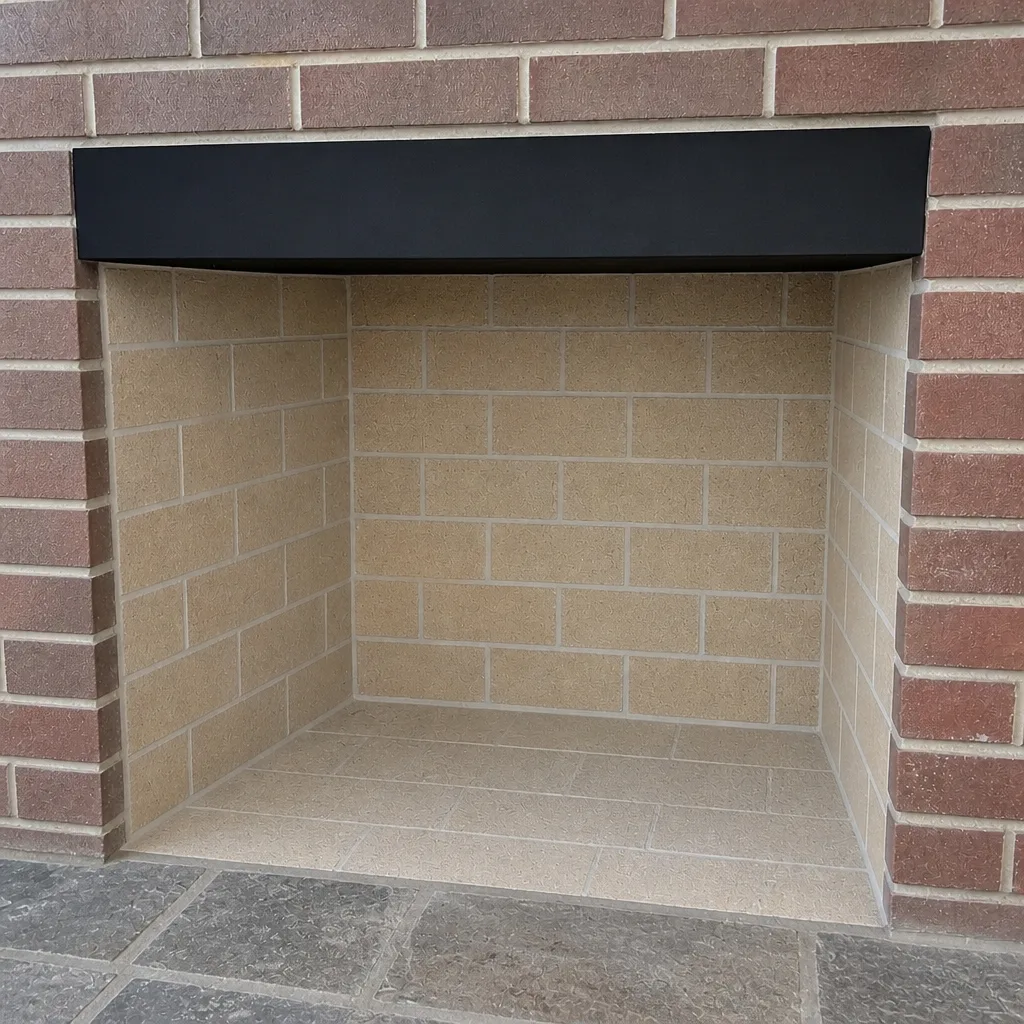
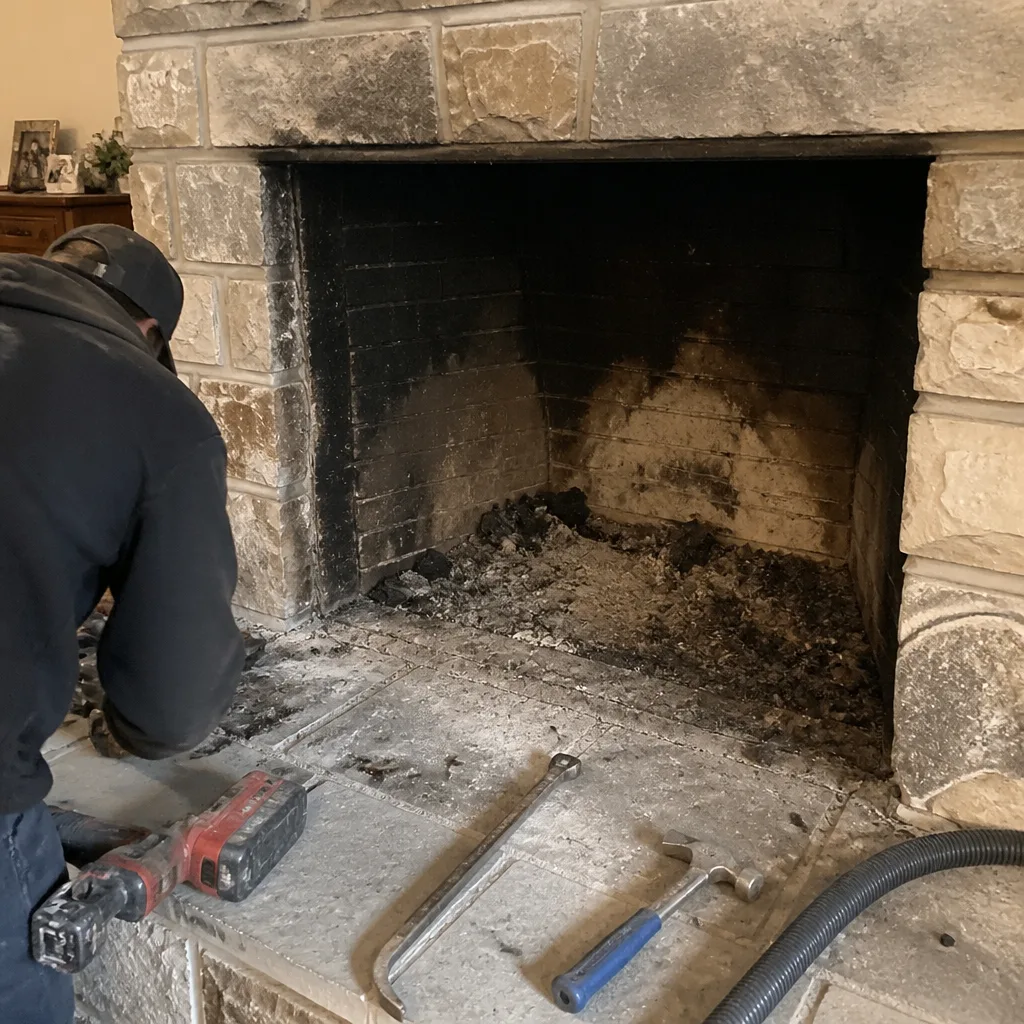
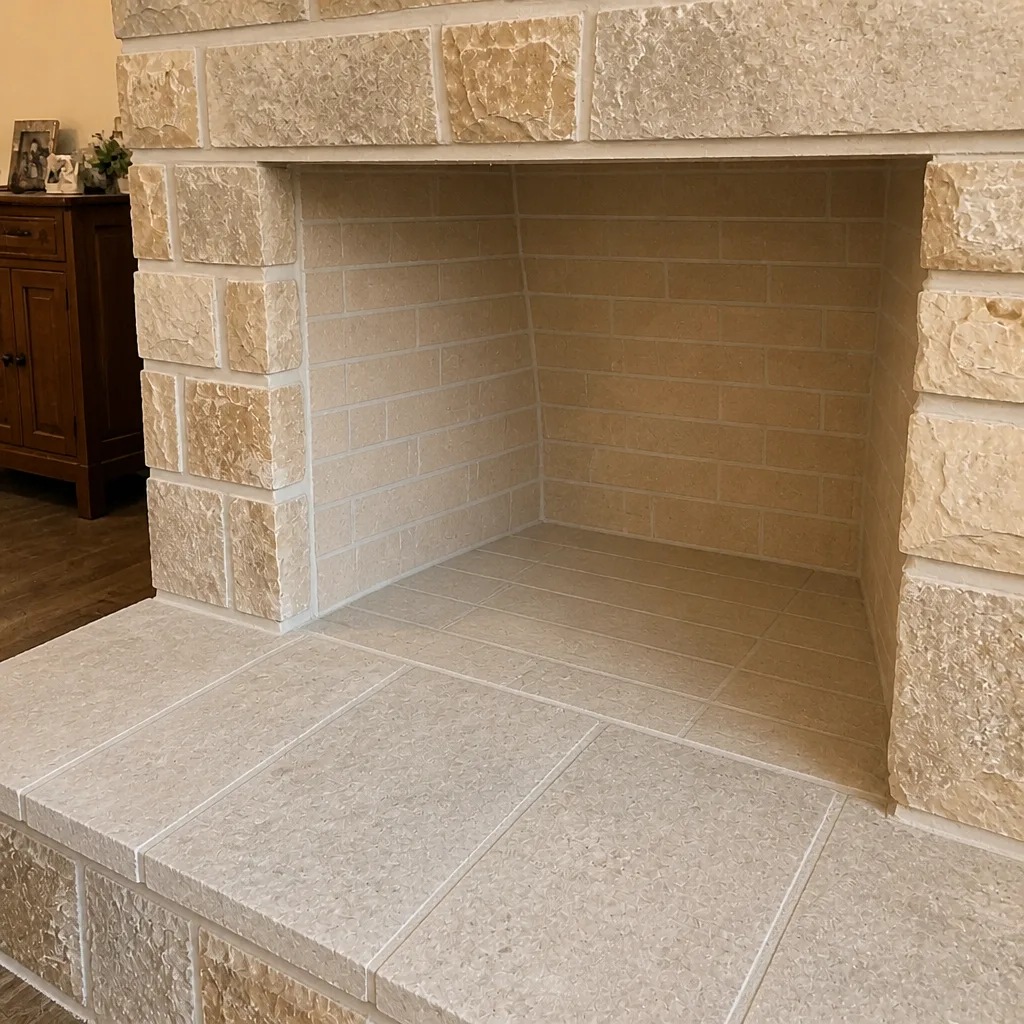
See the difference
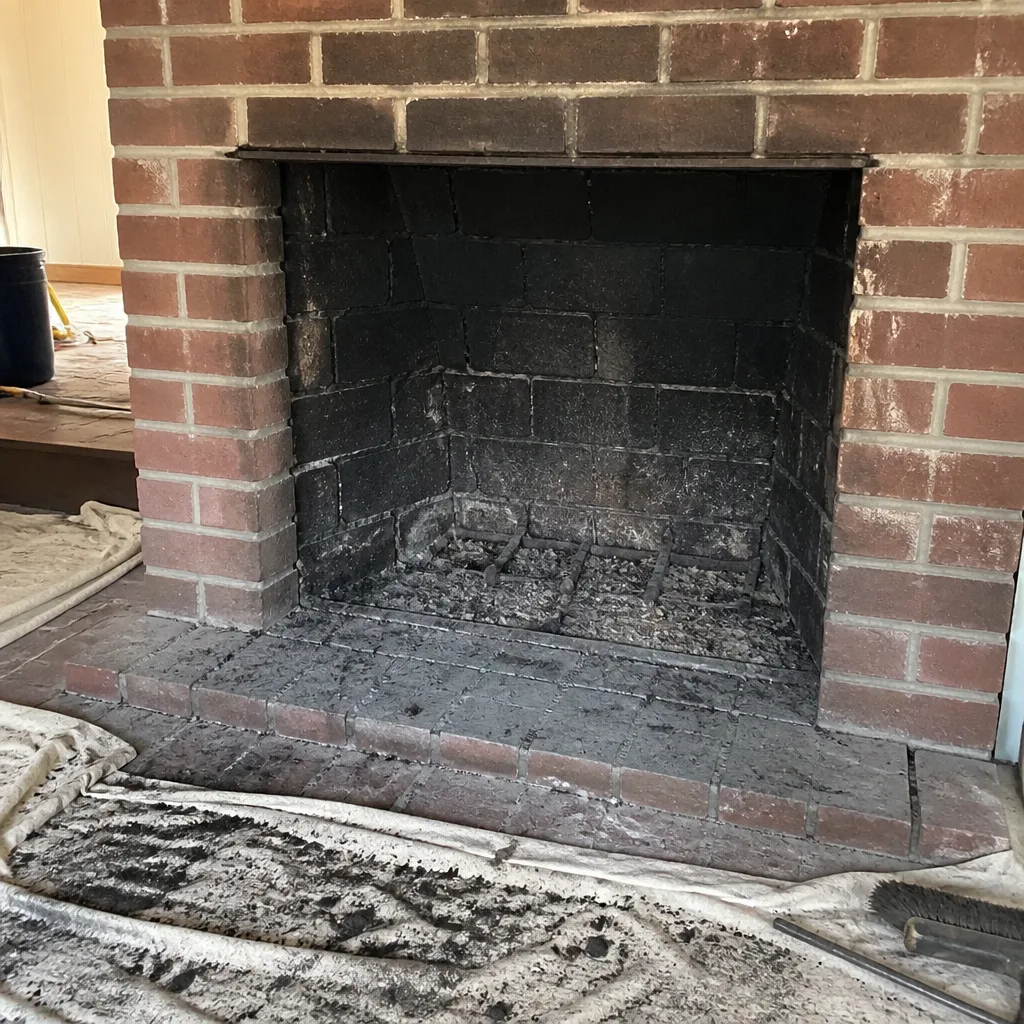 Before
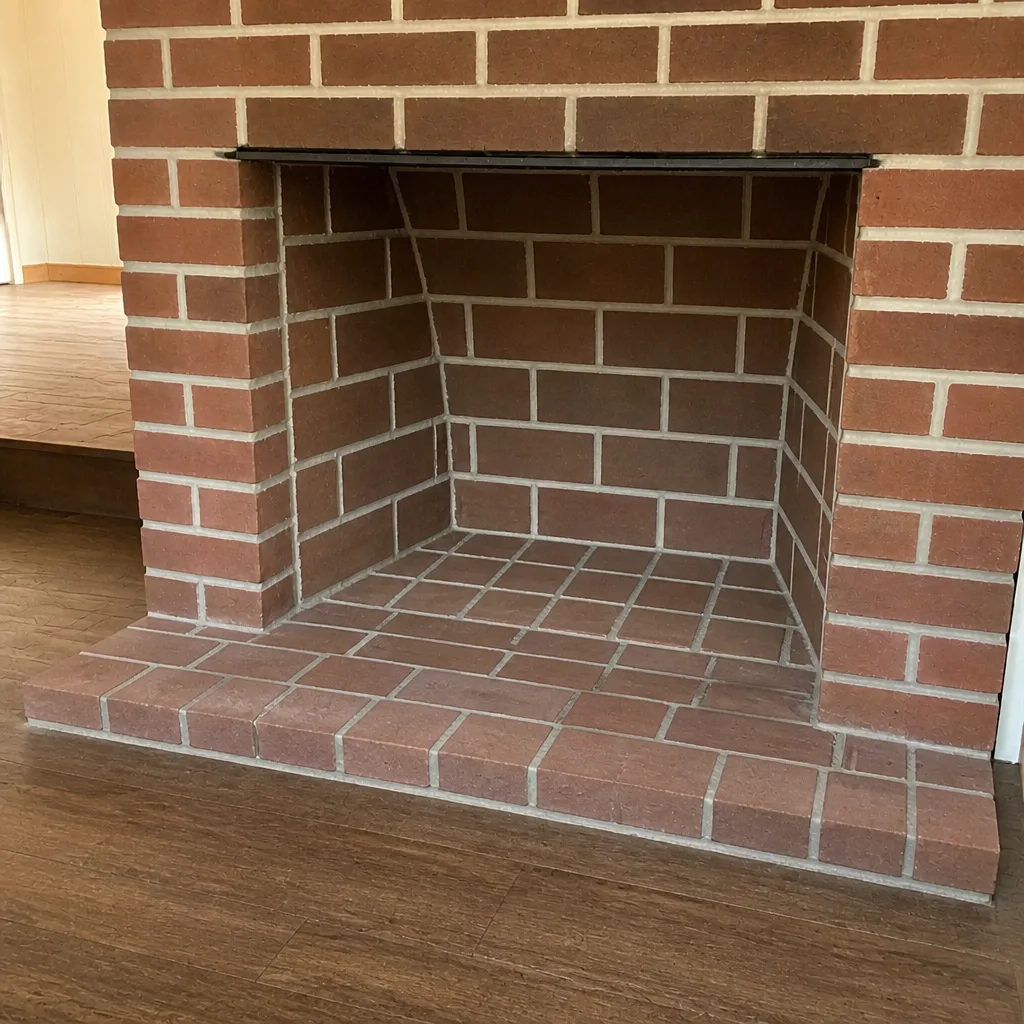 After
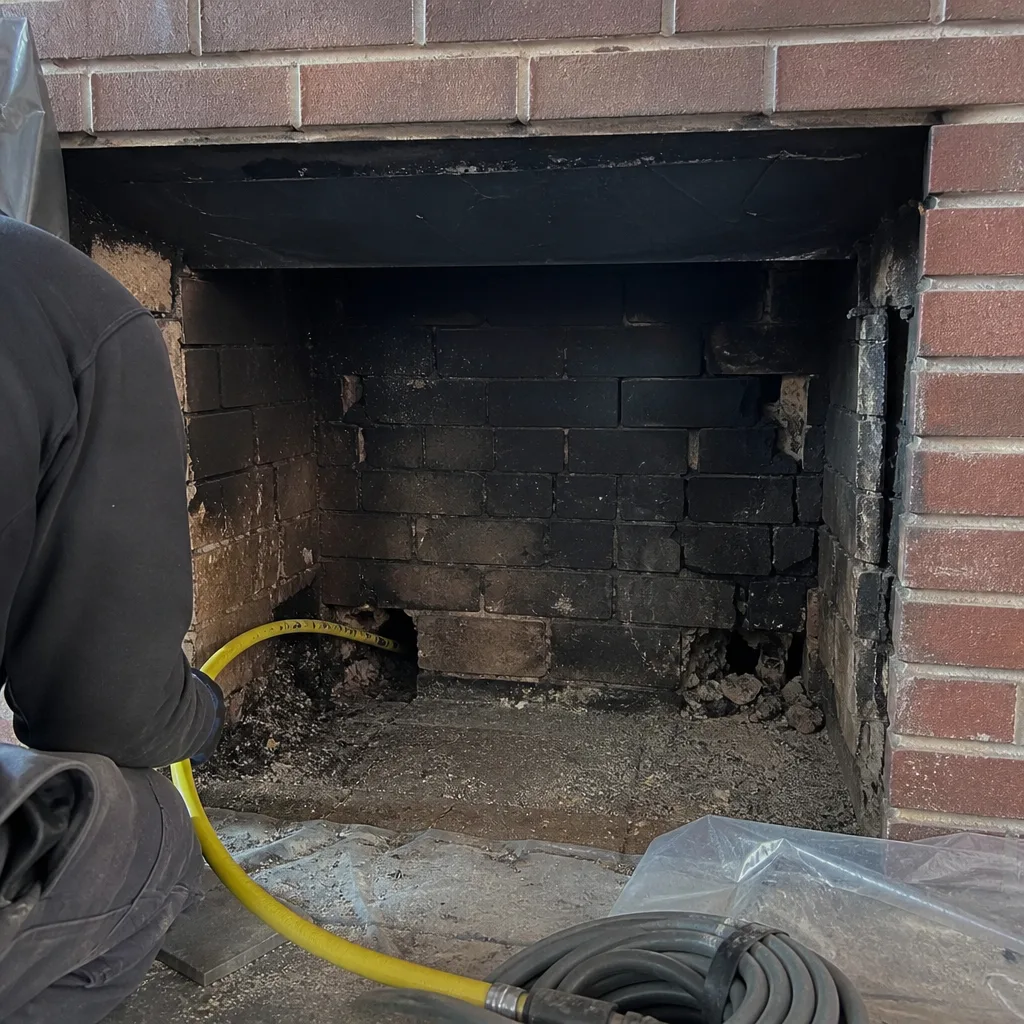 Before
 After
 Before
 After
When to Call a Professional
Call a professional chimney company when you’re due for an annual cleaning, when you notice soot falling into the firebox, when a fire is hard to light or drafts poorly, when you smell creosote in warm weather, when there’s water staining near the chimney, or when you’ve seen or suspect a chimney fire. Also call if there’s visible damage to the cap, crown, or flashing, or if you’ve recently bought a home in Torresdale and don’t have a chimney inspection record. Our technicians have up to 8 years of experience handling the full system. Chimney Sweep Torresdale offers free estimates in Torresdale. Call (877) 812-1596.
Frequently Asked Questions
Cleveland-area pricing doesn’t apply, and neither does a generic national average: in Torresdale, a standard cleaning plus Level 1 inspection is quoted per job by a written estimate, and the estimate is free. Price is driven by flue size, number of flues, and creosote stage, so a phone quote isn’t reliable. Call (877) 812-1596 for an exact quote. Estimates are free.
Once a year for a wood-burning chimney in typical use, sooner if you’re burning more than a cord of wood or see glazed creosote on the flue wall during inspection. A gas-burning appliance still needs annual inspection even though the creosote load is lower. The annual visit is really the inspection; the sweep is the byproduct.
Creosote builds whether or not you see it, and every skipped season pushes the deposit toward Stage 2 or Stage 3, where it becomes a fire risk that a standard brush can’t remove. Separately, small cap and crown failures let water in, and one or two freeze-thaw winters in a Torresdale masonry chimney turn a cosmetic crack into a structural one. Neither is an emergency on day one, and both are much cheaper to address the first time they’re found. Call (877) 812-1596 for an exact quote. Estimates are free.
Only if the inspection shows failed liner joints, offset tiles, or a flue size that doesn’t match the appliance. Not every older liner needs replacing, and we don’t recommend one without camera evidence you can see for yourself. When a liner really is compromised, a DuraFlex installation is the standard repair; when smoke chamber or firebox parging can be restored instead, HeatShield application usually avoids a full rebuild. Call (877) 812-1596 for an exact quote. Estimates are free.
The cleaning removes soot and creosote from the flue and firebox. The inspection evaluates the cap, crown, flashing, liner, smoke chamber, damper, and firebox for defects that the cleaning doesn’t touch. A proper service visit includes both; a visit that only brushes the flue has cleaned your chimney but not assessed it, and that’s the gap that causes fires.
We’re closed Saturday and dispatch Sunday through Friday, 7am to 7pm. We answer 24/7.
The Bottom Line
Chimney cleaning in Torresdale is a full-system service, not a brush pass. Sweeping the flue removes the creosote; the inspection finds the cracked crown, the failed liner joint, the smoke chamber parging that’s separating, and the cap that’s letting water in. Those findings are what actually prevent chimney fires and the structural damage that comes from a Northeast Philly freeze-thaw cycle grinding on an uncared-for masonry stack. Get the annual visit done, insist on a written report, and expect the same company that inspects to be the one that repairs. One company from sweep to rebuild. Catch it before it compounds.
Call (877) 812-1596 for a free estimate. We answer 24/7. Fast dispatch from 7am to 7pm, Sunday through Friday.
For the parent service overview and full-service coverage, see Chimney Sweep Torresdale.
Written by the team at Chimney Sweep Torresdale.